
Vandaag of morgen in huis

Kwaliteit gegarandeerd

Welkomstaanbiedingen ontgrendelen: GRATIS bezorging | Tot 80% korting | Gratis 30 dagen JoyPlus-proefperiode
Download de app
A face serum often contains more active ingredients than a regular cream. That makes it an appealing choice if you’re looking for extra hydration, a more even-looking complexion or a simpler skincare routine. At the same time, the range can be confusing. Terms such as Korean skincare serum, glow, firming and anti-ageing serum don’t, on their own, tell you whether a product is right for your skin.
As Joybuy Product Recommendation Officer, I start by looking at information you can check: the ingredients list, concentration, directions for use, packaging and the skin type the product is intended for. That way, you’re less likely to pay mainly for a tempting promise.
A vitamin C serum with 23% ascorbic acid sounds potent, but a high concentration may be less suitable for sensitive skin. For example, Vitamin C23 Anti aging serum lists 23% vitamin C and recommends a patch test. According to the product information, your skin may become more sensitive to sunlight, and the serum should be stored somewhere cool.
The same applies to niacinamide serum: 10% or 15% isn’t necessary for everyone. Look at the formula as a whole, not just the biggest number on the front.
Combining a retinol serum, vitamin C serum, exfoliant and serum for dark spots can make your routine unnecessarily complicated. It also makes it harder to tell which product feels comfortable and which might be causing irritation.
It’s better to start with one clear skin concern. For example, choose a hyaluronic acid serum for hydration, a niacinamide serum for an uneven-looking complexion or a retinol-like product for evening use. Introduce new products gradually.
A heavy serum may feel uncomfortable under sun cream or make-up during the day. A watery formula, on the other hand, may not feel moisturising enough on dry skin if you don’t apply a moisturiser over it.
Pay attention to storage, too. Vitamin C23 says to store it in the fridge and use it within two months of opening to preserve the active ingredients. That’s a practical commitment to consider as part of your daily routine.
Use the ingredients list as your starting point:
Ingredients are generally listed in descending order, down to those used in small amounts. A product with a long list of botanical extracts isn’t automatically more effective. Also check whether the active ingredient is listed with a specific percentage.
For example, Beauty Of Joseon Glow Deep Serum lists 2% alpha-arbutin, alongside rice water, glycerine and niacinamide. This makes the focus of the formula clear, without requiring you to take a general promise as a guaranteed result.
A pump bottle can be convenient and hygienic; a dropper needs careful handling so you don’t touch your skin with it. Also check:
A face serum is usually applied after cleansing and, if you use one, toner, followed by a moisturiser. During the day, active ingredients should generally be paired with sun cream offering suitable protection.
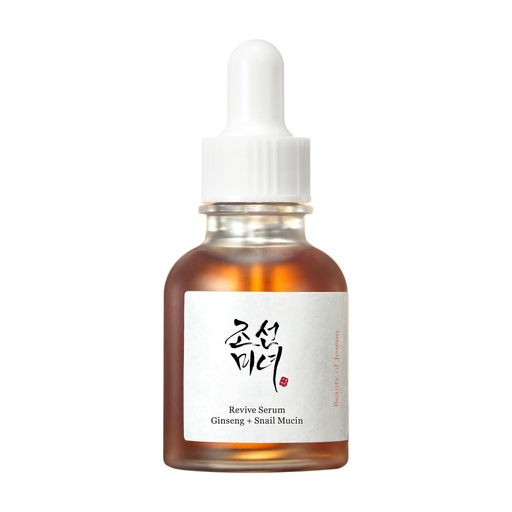
Why it suits this profile: A straightforward hydrating serum for anyone looking to start a Korean skincare routine without combining several active products straight away.
The product information lists 3% snail mucin filtrate, ginseng root water and a gel texture. It doesn’t present a high concentration of active ingredients as a one-size-fits-all solution.
30 ml, pump bottle, glycerine, niacinamide and several forms of hyaluronic acid in the ingredients list.
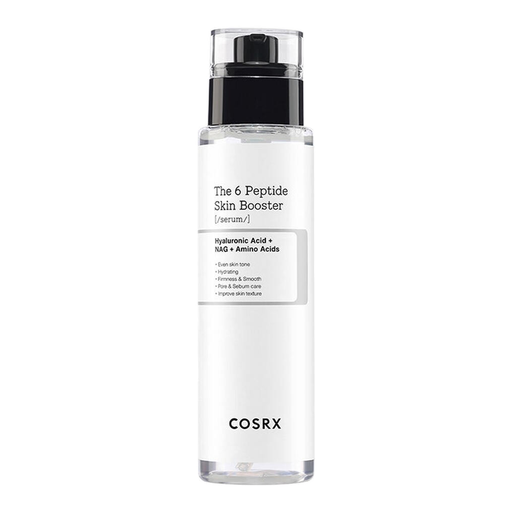
Why it suits this profile: A generous-sized booster for anyone looking for one versatile step before moisturiser and who values a light, non-sticky texture.
The product description mentions six types of peptides, but doesn’t promise a guaranteed change to your skin. You can check the ingredients and where it fits into your routine in advance.
150 ml, six peptide variants, niacinamide and sodium hyaluronate, according to the listed ingredients.
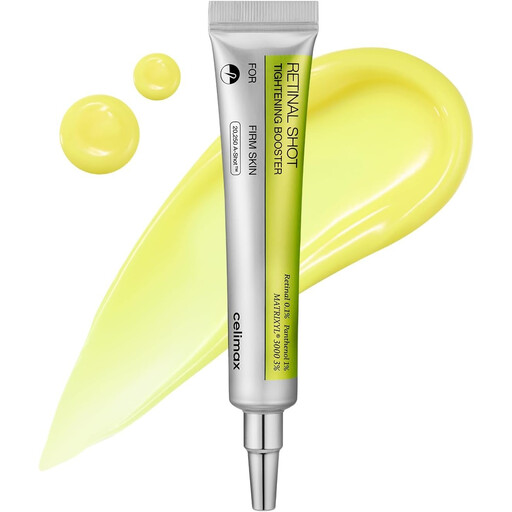
Why it suits this profile: Aimed at anyone who wants to consciously add a retinal product to their evening routine and is prepared to build up use gradually.
The instructions recommend using it every other evening for the first two weeks. They also specifically mention sun protection, using small amounts and avoiding the eye area.
15 ml, 0,1% retinal and 3% Matrixyl 3000 according to the product description; designed for night-time use only.
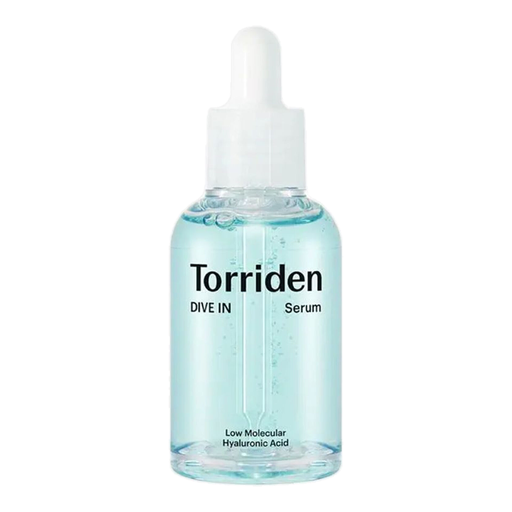
Why it suits this profile: A sensible choice if your main aim is to add hydration and you prefer to avoid fragrance in your daily routine.
The product information describes a fragrance-free formula with five types of hyaluronic acid. Its main purpose is clear: hydration, rather than pursuing several intensive goals at once.
50 ml, five forms of hyaluronic acid, panthenol, ceramide NP and beta-glucan, according to the product description.
We’ve put together a complete, up-to-date list of products that meet these strict selection criteria and the applicable European safety requirements.
Cleanse your face, then apply a small amount of serum. Gently pat it into your skin and finish with a moisturiser. Use an active serum according to its specific instructions. Retinal and retinol are generally for evening use; daily sun protection is important when using vitamin C and retinoids.
It varies from product to product. Check the expiry date and period-after-opening symbol on the packaging. Storage and how quickly you use the product can be especially important for active formulas. For example, Vitamin C23 says to refrigerate it and use it within two months of opening.
The price depends on the size, brand, packaging and active ingredients. Compare the price per millilitre and check that the formula suits your skin’s needs. A larger bottle is only better value if you’ll use the product before it expires.
