
Vandaag of morgen in huis

Kwaliteit gegarandeerd

Welkomstaanbiedingen ontgrendelen: GRATIS bezorging | Tot 80% korting | Gratis 30 dagen JoyPlus-proefperiode
Download de app
A face serum can be a targeted addition to your daily skincare routine. However, it is not wise to rely solely on terms such as “glow”, “detox” or “instant results”. The right choice mainly depends on your skin type, the ingredients and how often you can use the product safely.
A higher concentration of vitamin C, niacinamide or acids may sound appealing, but it can be less comfortable for sensitive skin. For example, according to the product information, the Vitamin C23 serum contains 23% ascorbic acid. The manufacturer recommends a patch test and refrigerated storage. These are important usage conditions that should not be ignored.
With active ingredients, it is therefore not just the percentage that matters. Also look at:
A serum may be described as suitable for all skin types, while the ingredients list contains, for example, fragrance, alcohol, essential oils or several exfoliating substances. This does not automatically mean the product is unsuitable, but it does mean you should compare the formula with your own skin’s needs.
According to the product description of iUNIK Tea Tree Relief Serum, this product contains tea tree and centella, among other ingredients. The description links these ingredients to soothing care, but this is a brand claim and not a guaranteed effect for every user.
Using an acne serum, a vitamin C serum, a niacinamide serum and a hydrating serum at the same time may sound efficient, but it makes it harder to work out which product your skin tolerates well. It is better to start with one goal and only add something else later.
If you experience redness, a burning sensation, itching or swelling, stop using the product. Do not apply serum to damaged, irritated or sunburnt skin.
The following combinations may help when comparing face serums:
None of these ingredients replaces sun protection. During the day, use a sun protection product according to the instructions on the packaging, especially when using a formula containing vitamin C, acids or azelaic acid.
A lightweight gel or lotion texture can feel comfortable on oily or combination skin. A formula containing squalane, glycerine or several hydrating ingredients may be better suited to dry skin. For sensitive skin, a short ingredients list and introducing the product gradually are often practical choices.
Also check whether the serum contains fragrance, essential oils or alcohol. “Korean skincare serum” is not a skin-type classification: Korean products vary considerably in texture, active ingredients and usage advice.
A 7 or 9 ml bottle can be useful for trying out a formula first, but it has a different price per millilitre from a 30 or 50 ml pack. Therefore, compare:

Why it suits this profile: The formula is clearly positioned for anyone trying a serum for oily, combination or blemish-prone skin for the first time.
The product information mentions alternating use with vitamin C. This helps beginners avoid using several active formulas at the same time without a plan.
30 ml contents; 10% niacinamide and 1% zinc according to the product details; stated to be suitable for several skin types.
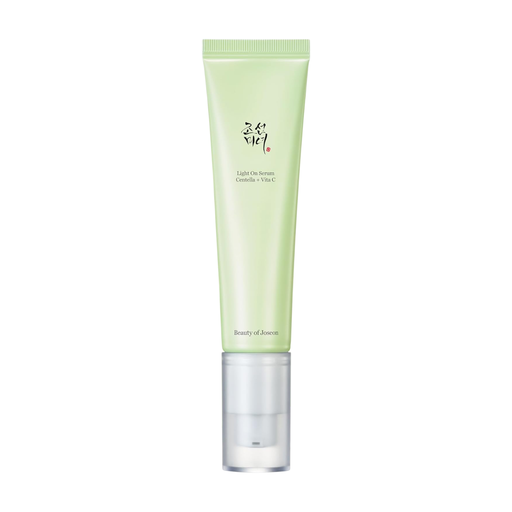
Why it suits this profile: A suitable option for anyone looking for a Korean skincare serum with a lightweight texture and a focus on hydration.
The product information lists the key active components and a volume of 30 ml, allowing you to base your choice on the formula and size.
Centella asiatica, a vitamin C derivative, glycerine and hyaluronic acid according to the ingredients list; stated to be suitable for several skin types.
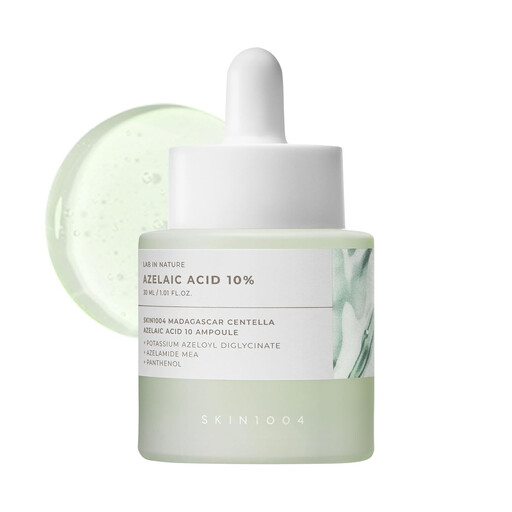
Why it suits this profile: For users specifically looking for a serum for redness, visible blemishes or skin that reacts sensitively to imperfections.
The usage advice recommends starting with every-other-day application. This allows you to introduce the formula gradually instead of immediately using several active products every day.
10% azelaic acid; centella, panthenol and hyaluronic acid according to the ingredients list; 30 ml contents.
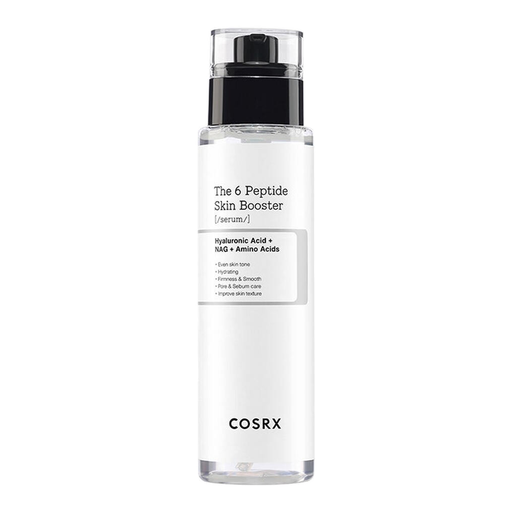
Why it suits this profile: The large bottle is suitable for users who want to make a hydrating serum a regular part of their morning and evening routines.
The product description mentions a non-sticky texture and use after toner. However, always check that the texture suits your own routine.
150 ml contents; six types of peptides, glycerine and hyaluronic acid according to the product information.
An acne or pigmentation serum needs time to become part of your routine. Stop using it if irritation persists, and seek advice from a doctor or pharmacist if you experience serious or long-lasting skin problems.
We have put together a complete, up-to-date list of products that fully meet these strict selection criteria and the applicable European safety regulations.
This varies from one formula to another. According to the label, a hydrating serum can often be used every day. With vitamin C, acids or azelaic acid, it is wiser to introduce the product gradually. Always follow the brand’s usage instructions and stop if irritation occurs.
Sun protection remains important as part of a pigmentation-focused routine. A serum does not make sun protection unnecessary. During the day, use a product with the SPF and in the quantity recommended on the label.
This depends on the product. Check the open-jar symbol on the packaging, such as 6M or 12M, and follow the specific storage advice. A vitamin C serum may be particularly sensitive to light, heat and air. If the smell, colour or texture changes noticeably, stop using it.
