
Vandaag of morgen in huis

Kwaliteit gegarandeerd

Welkomstaanbiedingen ontgrendelen: GRATIS bezorging | Tot 80% korting | Gratis 30 dagen JoyPlus-proefperiode
Download de app
A face serum can be a targeted step in your skincare routine. However, it is unwise to rely solely on terms such as “glow”, “lifting” or “intensive care”. The right choice mainly depends on your skin type, the ingredients, the texture and how you plan to use the product.
For dry skin, for example, look for a hydrating serum containing glycerine, panthenol or hyaluronic acid. If you have redness or sensitive skin, a simple formula and fragrance-free composition are often more important than a long ingredients list. If you want to tackle pigmentation or blemishes, you should also consider gradually introducing the product and using daily sun protection.
A serum containing 10% niacinamide or 10% azelaic acid may sound highly targeted, but a higher concentration can be less comfortable for some skin types. This is particularly true for sensitive skin or a weakened skin barrier, where introducing the product gradually is advisable. Start with a small amount and do not use it alongside several other active ingredients straight away.
Words such as “repair”, “collagen stimulation” or “reduces pigmentation” are not a guarantee of personal results. A brand’s own research or the product description may support certain claims, but your skin may react differently. Therefore, check the ingredients list, directions for use and warnings.
A cosmetic serum is not a substitute for medical treatment. If you have persistent acne, severe irritation or changes in pigmentation, advice from a GP or dermatologist is more appropriate.
A rich serum can feel pleasant on dry skin, but may feel heavy on oily or combination skin. A watery formula is often better suited for use under sun cream or make-up. Also pay attention to the packaging: a pump bottle or well-sealed bottle makes it easier to dispense the right amount and helps limit unnecessary contact with air and hands.
Use your search term as a starting point, but always check the full INCI list afterwards.
A Korean skincare serum formula often contains several plant extracts and active ingredients. That can be appealing, but a longer INCI list is not automatically better. Check that the formula suits your skin’s tolerance and your routine.
Do not compare only the price of a bottle; consider the volume as well. Many serums contain 30 ml, while some ampoules or essences come in a larger size. Also check the recommended number of drops or pumps. A product used generously twice a day will run out faster than a serum where one or two drops are sufficient.
With active formulas, frequency of use is important. The product information for some azelaic acid serums recommends starting once or twice a week. This is a practical indication that you should not increase usage too quickly.
Check that the product is intended for use on the face and that the expiry or PAO information is shown on the packaging. Test a new serum on a small area of skin first, particularly if you have sensitive skin. Stop using it if you experience stinging, swelling, itching or noticeable redness. Avoid contact with the eyes and do not apply an active formula to damaged skin.
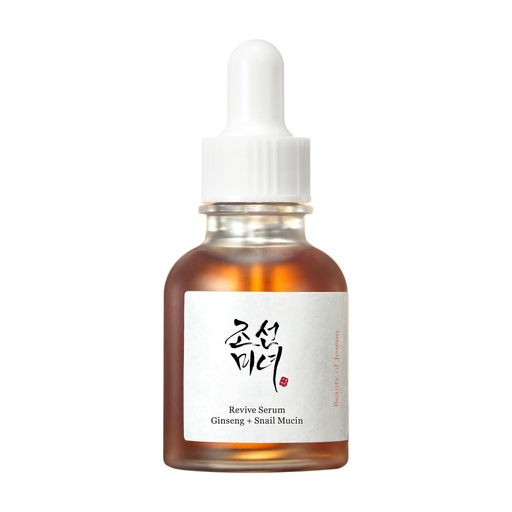
Why it suits this profile: Suitable for dry, normal or combination skin that responds well to a gel texture and several hydrating ingredients.
The product description mentions a pump bottle and a dose of one to two pumps, making it easier to avoid applying too much.
According to the ingredients list, it contains glycerine, niacinamide, sodium hyaluronate and several extracts; the formula is stated to be free from alcohol and parabens.
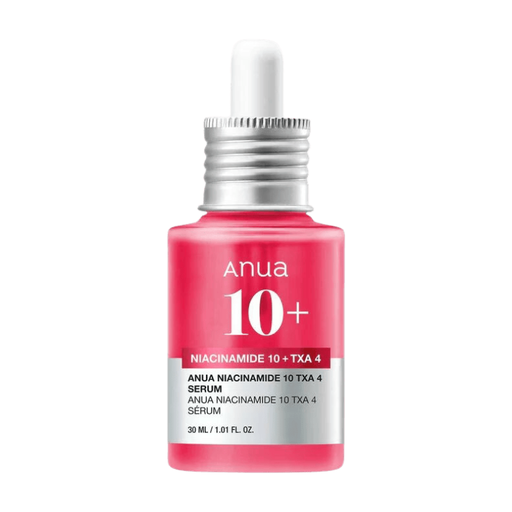
Why it suits this profile: Designed for shoppers specifically looking for a serum for pigmentation, post-acne marks or an uneven skin tone.
The percentages of niacinamide and tranexamic acid are clearly stated in the product name. This makes comparison more transparent than a general claim such as “brightening”.
According to the product information, it contains 10% niacinamide, 4% tranexamic acid, alpha-arbutin and several forms of hyaluronic acid.
We have put together a complete, up-to-date list of products that fully meet these strict selection criteria and the applicable European safety regulations.
You will usually apply serum after cleansing and before moisturiser. A few drops are generally enough. Always follow the dosage on the label, as texture and concentration vary from product to product.
Shelf life varies by product. Check the expiry date and the symbol showing the period after opening, such as 12M. Store the serum somewhere cool and dry, away from direct sunlight. Close the packaging securely after each use.
Look for a simple, fragrance-free formula containing ingredients such as panthenol, beta-glucan, hyaluronic acid or centella asiatica. Test a small amount first. A product containing azelaic acid, niacinamide or other active ingredients may be suitable, but introduce it gradually and stop using it if irritation occurs.
