
Vandaag of morgen in huis

Kwaliteit gegarandeerd

Welkomstaanbiedingen ontgrendelen: GRATIS bezorging | Tot 80% korting | Gratis 30 dagen JoyPlus-proefperiode
Download de app
A face serum can be a practical addition to your daily skincare routine. Its lightweight texture often contains hydrating or nourishing ingredients in a targeted formula. But a higher price doesn’t automatically mean it’s a better fit. Terms such as “glow”, “lifting” and “deep hydration” don’t tell you much unless you also consider the ingredients, directions for use and whether it suits your skin.
A serum with lots of active ingredients might sound appealing, but using several at once may be unnecessary for your routine. If your main concern is dry skin, you may be better off with a simple formula containing ingredients such as glycerine, beta-glucan, panthenol or hyaluronic acid. For dull skin, niacinamide or alpha-arbutin may be worth considering, depending on the full formulation.
Pay attention to where an ingredient appears in the INCI list, too. Seeing it mentioned on the packaging doesn’t automatically mean it’s present at a high concentration. Also check that the current packaging and ingredients match the product information.
Brands sometimes make extensive claims about how their products work. For example, according to Estée Lauder’s own research, some of the women surveyed reported a more youthful-looking appearance after using Advanced Night Repair. That doesn’t guarantee the same result for everyone. Claims such as “72-hour hydration” or “stimulates collagen” should also be read as claims made by the brand, not as a guaranteed personal result.
Start by checking information you can verify: the size, ingredients, fragrance, when to use it, skin type and any warnings.
A retinol serum or concentrated peptide serum isn’t always right for someone new to skincare. When trying a new product, start with a small amount and use it infrequently. If you’re choosing a serum for sensitive skin, it’s a good idea to do a patch test. Stop using it if you experience persistent redness, a burning sensation, itching or swelling, and follow the safety information on the label.
Use sun protection during the day if the directions advise it, especially if your routine includes retinol. A serum doesn’t replace your moisturiser or sun protection.
A hydrating serum with hyaluronic acid can help the skin’s surface retain water. Formulas with different molecular sizes are often marketed as offering multi-layer hydration. This doesn’t mean the product literally reaches every layer of the skin. Think of it mainly as a choice of texture and ingredients.
It’s best to apply a hyaluronic acid serum to slightly damp skin and follow with a moisturiser. This helps prevent you from applying only a thin, watery layer that isn’t sealed in.
If you have dry or easily irritated skin, ceramide NP, panthenol, glycerine, beta-glucan and fatty acids are useful ingredients to compare. A barrier-supporting serum may be a good fit if your routine leaves your skin feeling tight because of the weather, wind or over-exfoliation. Here, “restoring” describes how the product is positioned as a skincare product; it isn’t a medical treatment.
If you’re looking for a serum for dry skin, it’s also worth considering the texture. A gel usually absorbs quickly, while a richer facial ampoule may feel more comforting under a cream.
Don’t compare just the front of the packaging. Check the fragrance, alcohol, storage instructions, size and recommended frequency of use, too.
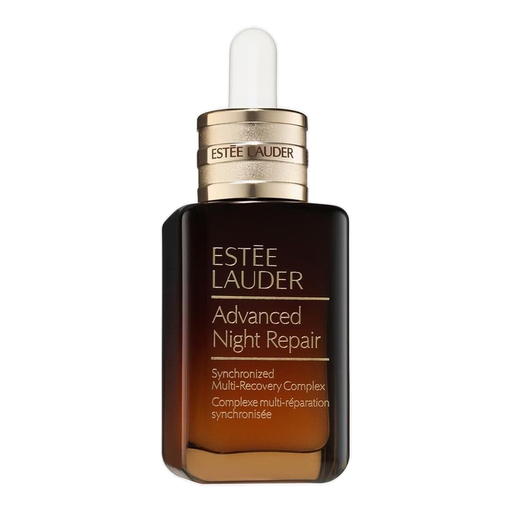
Why it suits this profile: A good choice if you’re looking for a comprehensive anti-ageing serum routine, with a lightweight, oil-free formula designed for different skin types.
The product information lists specific features, including 30 ml, oil-free, fragrance-free and dermatologist-tested, rather than relying on a general promise of a glow.
The ingredients list includes sodium hyaluronate, peptide-32 and squalane; the serum is intended for morning and evening use.
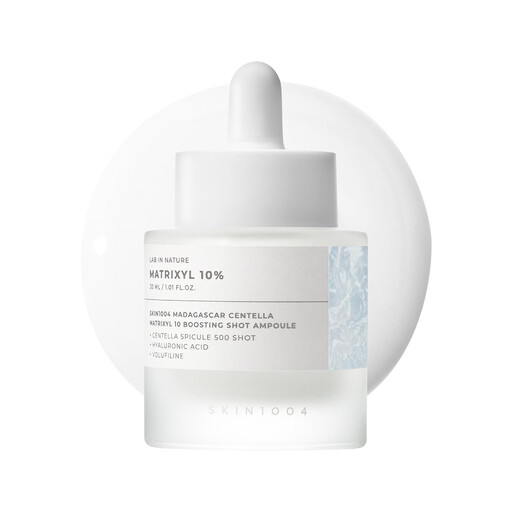
Why it suits this profile: Designed for anyone who wants to try a Matrixyl peptide serum and is happy to build up how often they use it gradually.
The manufacturer recommends a patch test and starting with 2 to 3 applications a week or every other evening. This helps you avoid rushing into daily use.
The product description lists 10% Matrixyl, hyaluronic acid and a 30 ml size; the formula has a lightweight texture.
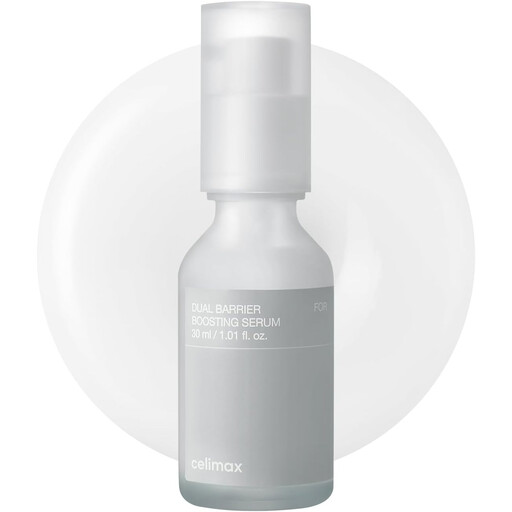
Why it suits this profile: An option if you’re mainly looking for a ceramide-rich serum to support your skin barrier, with a straightforward focus on skincare.
The description focuses on hydration, sensitive and dry skin, and five ceramides, rather than a long list of harsh active ingredients.
According to the product information, the serum contains five ceramides and is dermatologist-tested.
We’ve put together a complete, up-to-date list of products that meet these strict selection criteria and current European safety regulations.
It’s best not to combine several potent products when you’re starting out. For example, a Korean skincare serum routine might involve a few lightweight layers, but more steps don’t automatically mean better results. Store the bottle in a cool, dry place away from direct sunlight if the manufacturer advises it. Check the expiry date and the period-after-opening symbol on the packaging.
Usually after cleansing and before moisturiser. A hydrating serum can often be used morning and evening. A retinol serum or other concentrated product needs to be introduced gradually, following the directions for use.
Shelf life varies depending on the formula and packaging. Check the expiry date or period-after-opening symbol on the label. Close the cap securely and keep the product away from heat and direct sunlight. Has the scent, colour or texture changed? Don’t use the product without checking the packaging and safety information first.
Not necessarily. Compare the size in millilitres, the recommended amount per application and how often you’re advised to use it. A 30 ml product may last longer than you expect if a few drops are enough, while a larger bottle isn’t automatically cheaper. Focus on the ingredients and features that match your skincare goals.
