
Vandaag of morgen in huis

Kwaliteit gegarandeerd

Welkomstaanbiedingen ontgrendelen: GRATIS bezorging | Tot 80% korting | Gratis 30 dagen JoyPlus-proefperiode
Download de app
A face serum can be a targeted addition to your skincare routine, but the wide range of options can make choosing difficult. Are you mainly looking for hydration, a more even complexion, care for sensitive skin or an anti-ageing serum? It can be tempting to rely solely on terms such as “glow”, “intensive repair” or “clinically proven”.
That can lead to a disappointing purchase. A high concentration of active ingredients is not automatically suitable for every skin type. Nor is an expensive serum always right for your routine. By checking the ingredients, directions for use and volume carefully, you can avoid leaving a product unused in the bathroom.
Brands may claim that a serum reduces wrinkles, fades pigmentation or strengthens the skin barrier. Do not regard such statements as a personal guarantee. A brand’s own research may have measured certain effects under specific conditions; that does not mean every user will experience the same results.
So start by looking for verifiable information:
A vitamin C serum, niacinamide serum, retinol serum and serum for pigmentation may each have a different place in your routine. If you combine several potent formulas without introducing them gradually, your skin may feel dry, tight or irritated.
Start with one new product. Use a small amount and test it first on a limited area of skin. If persistent redness, itching, swelling or a burning sensation occurs, stop using the product and seek medical advice.
An oil-based serum can feel pleasant on dry skin, but may be less comfortable under make-up or sun cream. A lightweight gel or watery formula often sits more comfortably on oily or combination skin. If your skin is sensitive to them, also check whether the ingredients list contains fragrance, essential oils or certain preservatives.
Choose the ingredient based on your goal, not just the product name.
An ingredient does not work independently of the rest of the formula. Always check the current packaging, as ingredients may change.
For a serum for sensitive skin, a simple formula, gradual introduction and sufficient hydrating care are important. A product containing exfoliating ingredients, retinol or a high concentration of vitamin C requires more care than a simple Centella ampoule.
During the day, use suitable sun protection when this is stated in the directions for use. Bean Sun Serum contains several UV filters and, according to the product information, should be applied before sun exposure and reapplied regularly. For sun-care products, always check the packaging for the official SPF rating and directions for use.
Compare more than just the price; the volume also matters: 20, 30, 50, 55 or 100 ml can make a difference to the cost per use. Also look out for:
A product with a short period of use after opening is less practical if you only use a few drops each week.
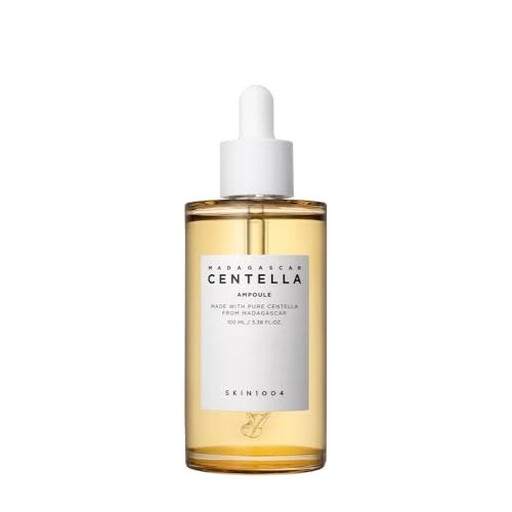
Why it suits this profile: Its straightforward positioning as a hydrating Centella ampoule makes it an accessible starting point for anyone who does not want to introduce several active ingredients at once.
The product description highlights a concise ingredient focus and recommends using 2 to 3 drops, making the dosage clear.
55 ml volume; Centella asiatica as the key ingredient; suitable for the face and neck according to the product information.
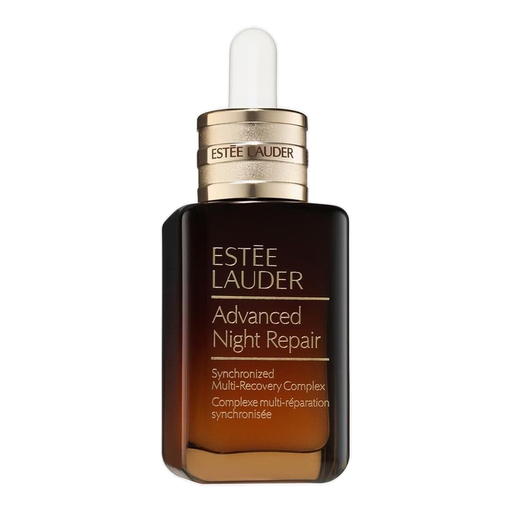
Why it suits this profile: Anyone looking for a premium anti-ageing serum gets a formula containing hyaluronic acid and ferments, with a stated volume of 30 ml.
The product details recommend using it on cleansed skin before moisturiser, making its place in your routine clear.
30 ml; oil-free according to the product details; designed to hydrate and target visible signs of skin ageing according to the brand description.
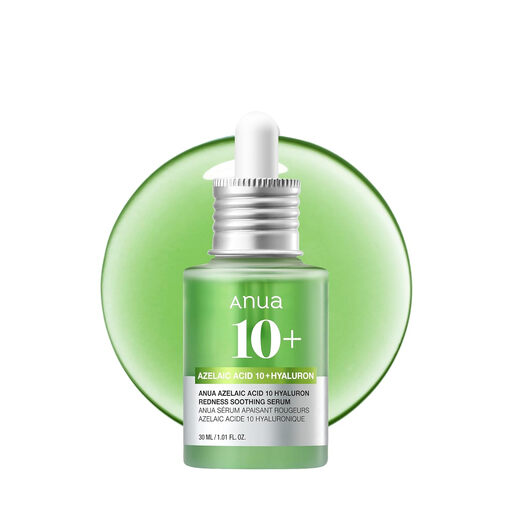
Why it suits this profile: This serum is intended for users specifically looking for azelaic acid, hydration and care for an uneven complexion.
The directions recommend starting with 1 to 2 applications per week. This supports a cautious build-up rather than beginning with daily use.
10% azelaic acid according to the product name; panthenol, glycerine and hyaluronic acid in the ingredients list; 30 ml volume.
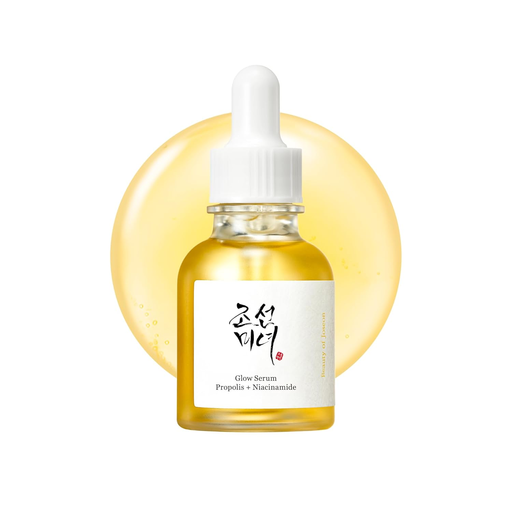
Why it suits this profile: The gel-like, honey-like texture and combination of propolis and niacinamide fit naturally into a daily Korean skincare routine.
The product information states 2% niacinamide and recommends using 2 to 3 drops, allowing you to introduce the formula in a controlled way.
30 ml; propolis extract and niacinamide in the ingredients list; suitable for daily use according to the product description.
We have put together a complete, up-to-date list of products that fully meet these strict selection criteria and the applicable European safety requirements.
It depends on the formula. A hydrating serum can often be used daily, while retinol, azelaic acid or a high-strength vitamin C serum is best introduced gradually. Always follow the label and stop using the product if irritation occurs.
Yes. The usual order is cleanser, toner if desired, serum, moisturiser and sun protection during the day. Allow each layer a little time to absorb if the texture starts to ball up.
Check the expiry date and period after opening on the packaging. Store the product according to the manufacturer’s advice. Some vitamin C products require extra protection from light, heat or oxidation. Do not use a serum if its smell, colour or texture has clearly changed.
