
Vandaag of morgen in huis

Kwaliteit gegarandeerd

Welkomstaanbiedingen ontgrendelen: GRATIS bezorging | Tot 80% korting | Gratis 30 dagen JoyPlus-proefperiode
Download de app
A face serum can be a useful step between cleansing and moisturising. The choice is vast, though: from niacinamide and vitamin C serums to hydrating serums, retinol serums and Korean skincare ampoules. An eye-catching package or promise does not automatically mean a product is right for your skin.
As a Joybuy Product Recommendation Officer, I therefore look first at the formula, concentration, instructions and skin compatibility. This helps you avoid buying a serum that is too strong, does not fit into your routine or ends up unused in the bathroom after a few weeks.
A higher concentration may sound appealing, but it can also cause tightness, redness or irritation more quickly. This is particularly true of active ingredients such as retinol, retinal, azelaic acid, vitamin C and niacinamide. So do not just look at the percentage; also consider the other ingredients and the recommended process for building up use.
A serum for pigmentation, a blemish serum and a serum for fine lines often contain different active ingredients. If you use several powerful products at the same time, it becomes difficult to work out which product your skin tolerates well. It is better to start with one targeted serum and only add a second formula later.
Pay attention to combinations, too. According to The Ordinary’s product information, niacinamide can affect the stability of certain forms of vitamin C. Alternate these products in line with the advice on the label, rather than using them together in the same routine without checking first.
Terms such as ‘glow’, ‘barrier’ and ‘intense hydration’ are broad. Check the full ingredients list, contents, shelf life and recommended frequency of use. Claims about a product’s effects should not make you forget that a cosmetic product is not a medical treatment. If you have persistent skin concerns, advice from a doctor or skincare professional is more appropriate.
A watery formula generally absorbs quickly and is easy to use under a cream. An oily or richer texture may feel more comfortable on dry skin, but could feel heavier on oily skin. The products below vary considerably in size, from 9 ml for a targeted introduction to 100 ml for regular use.
Apply a serum after cleansing and before moisturiser in most cases. Use sun protection during the day when advised in the product information, particularly with formulas containing retinol, retinal, vitamin C or ingredients intended to even out the complexion.
Always check the INCI list, expiry date and period after opening on the packaging. Carry out a patch test before first use. Avoid contact with the eyes and do not use a product on damaged or irritated skin. During pregnancy or breastfeeding, follow the warning on the label for retinol and retinal products and seek medical advice if in doubt.
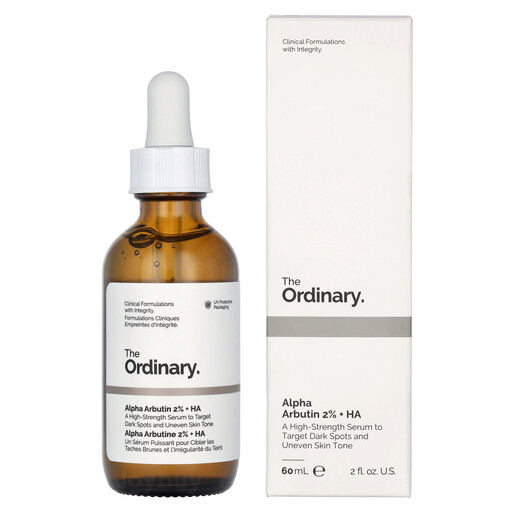
Why it suits this profile: The water-based formula, 60 ml size and concise ingredients list make this face serum easy to understand for anyone looking for a targeted first step towards a more even complexion.
The formula lists alpha-arbutin 2% and sodium hyaluronate separately, making it clearer why you are choosing the product rather than relying solely on a general glow promise.
60 ml, water-based and described as suitable for all skin types, including sensitive skin.
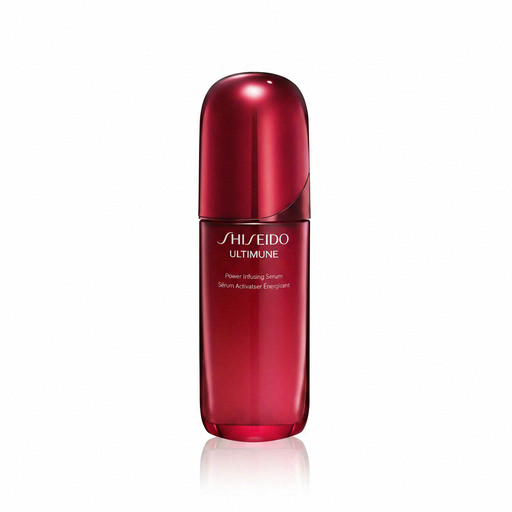
Why it suits this profile: The generous 75 ml size is ideal for anyone looking for a more luxurious daily serum step and who values a well-known brand and comprehensive product presentation.
The packaging states the 75 ml size, recommends use in the morning and evening, and provides specific storage and safety instructions. You should also check the ingredients and shelf life on the packaging you receive.
75 ml and a lightweight formula according to the product description; suitable for use on the face and neck.
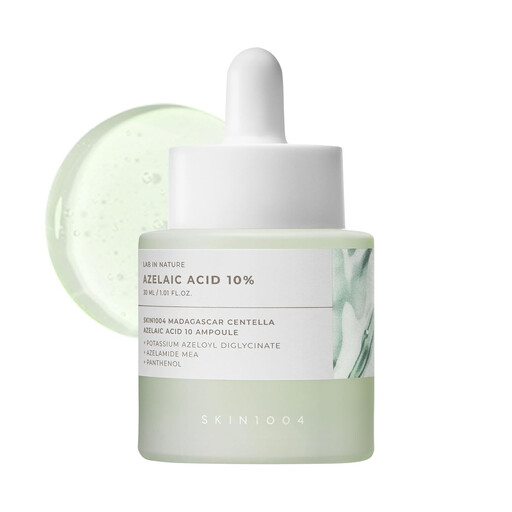
Why it suits this profile: This ampoule is intended for users specifically looking for azelaic acid, visible blemishes, an uneven complexion or skin that quickly appears unsettled.
The product information states that it contains 10% azelaic acid, has a niacinamide-free formula and includes a gradual introduction schedule to help your skin adjust. This makes its purpose and use clearer.
10% azelaic acid, centella asiatica and a stated gradual introduction from every-other-day use.
We have put together a complete, up-to-date list of products that fully meet these strict selection criteria and the applicable European safety requirements.
For example, a centella ampoule can be a simple hydrating step. With a vitamin C or niacinamide serum, it is sensible to check which other actives are already part of your routine. If you have sensitive skin, choose a lower frequency of use and stop if irritation persists.
A face serum is generally used after cleansing and, if applicable, toner, but before moisturiser. Always follow the product’s specific instructions. Some retinol and retinal formulas are intended for evening use only.
The exact shelf life is stated on the packaging. Also check the period after opening, such as 6M or 12M. Store the serum in a cool, dry place away from direct sunlight, with the cap tightly closed. A change in smell, colour or texture is a reason to stop using the product.
Look for a concise ingredients list and a formula without ingredients you have not tolerated well in the past. A centella ampoule or hydrating serum can be a gentle place to start. With retinol, retinal, azelaic acid and highly concentrated niacinamide, a patch test and gradual introduction are particularly important.
