
Vandaag of morgen in huis

Kwaliteit gegarandeerd

Welkomstaanbiedingen ontgrendelen: GRATIS bezorging | Tot 80% korting | Gratis 30 dagen JoyPlus-proefperiode
Download de app
A face serum for wrinkles may seem easy to choose at first glance. However, serums vary considerably in their active ingredients, texture, recommended frequency of use and skin tolerance. A retinol serum, for example, requires a different approach from a hydrating face serum containing hyaluronic acid.
If you focus only on terms such as “lifting”, “glow” or “anti-ageing”, you could end up spending money on a product that does not suit your skin. Pay particular attention to the ingredients list, the concentration of active ingredients and the directions for use.
Words such as “visibly younger”, “instantly plumper” and “wrinkle correction” often describe a cosmetic effect, such as smoother or better-hydrated-looking skin. They do not guarantee that wrinkles will disappear.
According to NIVEA’s own research, the Cellular Vitamin C Face Serum is said to provide long-lasting hydration from the first day and a smoother appearance of fine lines after one week. Results may vary from person to person. So also look at the formula: this serum contains ascorbyl glucoside, vitamin E, glycerine and amino acids, among other ingredients.
A retinol serum or retinal serum may be appealing for a routine focused on fine lines and skin texture, but retinol and retinal are vitamin A derivatives. Sensitive skin may react with redness, stinging or flaking.
Start with a small amount and use it infrequently. Retinoids are best used in the evening, with a sunscreen with at least SPF 30 applied during the day. Do not use retinol or retinal products during pregnancy or while breastfeeding unless advised to do so by a healthcare professional.
A serum containing many active ingredients is not automatically suitable for daily use. Even a serum for firmer-looking skin needs to be followed by a moisturiser when your skin feels tight or dry. Ingredients such as panthenol, madecassoside, centella asiatica, ceramides and hyaluronic acid can form part of a more supportive routine.
Always carry out a patch test when trying a new product. Do not apply serum to irritated or damaged skin, and stop using it if problems persist.
Match the ingredient to your main skincare goal:
A short ingredients list is not necessarily better. Above all, check that the active ingredient you want is actually included in the list and that the product contains additional hydrating or soothing ingredients.
A higher percentage does not automatically mean that a formula is better suited to your skin. With retinol, the stated concentration is relevant. The SKIN1004 Retinol 0.2% Boosting Shot Ampoule states 0.2% retinol and also contains retinal, squalane, panthenol and Centella Asiatica extract.
Spicule or shot products may temporarily cause a tingling sensation or redness. This is stated, for example, for SKIN1004 Boosting Shot products. Start by using them two to three times a week, as directed, and only increase frequency if your skin tolerates this well.
A lightweight formula can feel comfortable under sunscreen or make-up, while an oil-based serum may be better suited to dry skin in the evening. Also compare the volume: a 9 ml ampoule requires a different price-per-use calculation from a 30 or 50 ml bottle.
Always check the expiry date and the period after opening on the packaging. Store vitamin C, retinol and retinal in a cool place and away from direct sunlight when indicated on the label.
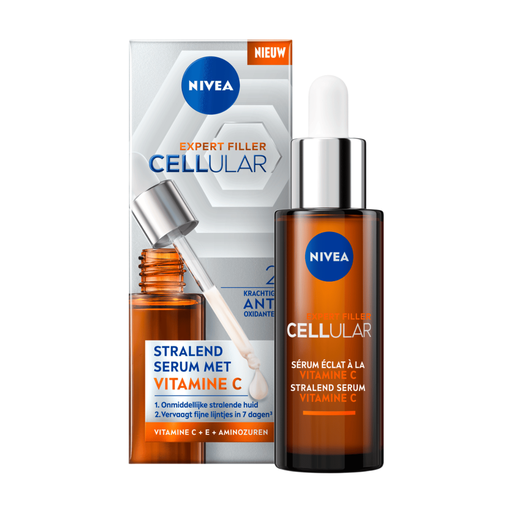
Why it suits this profile: According to the product information, the 30 ml formula combines vitamin C, vitamin E, glycerine and amino acids in a lightweight texture for daily use.
The ingredients and directions for use are clearly stated. However, bear in mind that the formula contains alcohol, fragrance and citrus fragrance oil if you have sensitive skin.
Vitamin C derivative, vitamin E, glycerine and a 30 ml size; according to the product information, suitable for all skin types.
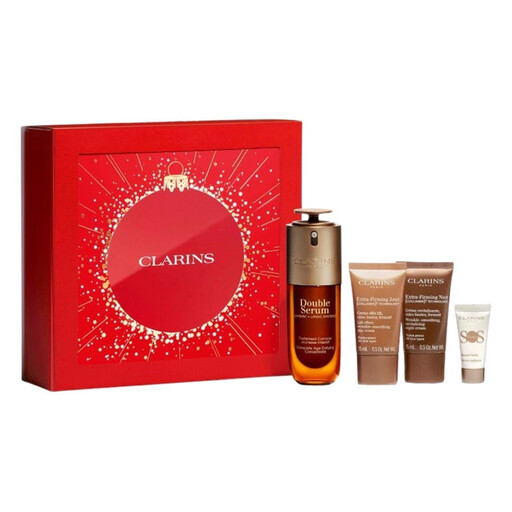
Why it suits this profile: This set is intended for users who appreciate a rich, nourishing serum texture and a more extensive routine.
The dual formula and extensive ingredients list make it clear that this is not a minimalist serum. So check whether the rich texture suits your skin and routine.
The product information states that it contains 22 plant extracts and a combination of two phases; suitable for all skin types according to the specifications.
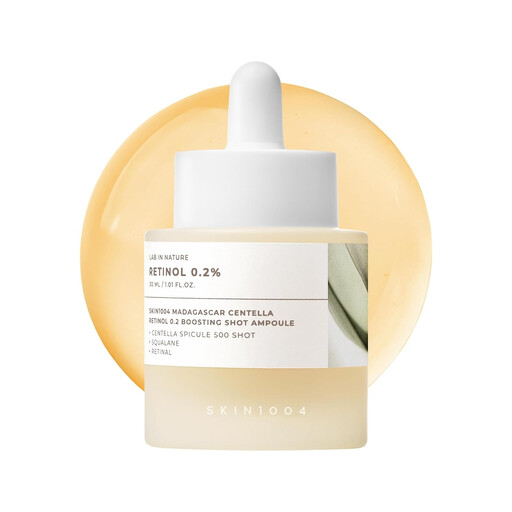
Why it suits this profile: For experienced users who are already familiar with retinol and retinal and are targeting fine lines, texture and firmer-looking skin.
The directions for use recommend a gradual build-up schedule and evening application. The formula also contains hydrating and soothing ingredients, although irritation remains possible.
Contains 0.2% retinol, retinal, squalane, hyaluronic acid, panthenol and Centella Asiatica; 30 ml size.
We have put together a complete, up-to-date list of products that fully meet these strict selection criteria and the applicable European safety regulations.
A Centella Asiatica serum or niacinamide serum can be a practical choice when hydration and comfort are your priorities. For dry skin, ingredients such as glycerine, hyaluronic acid and panthenol may be particularly relevant. If your main concerns are dullness and an uneven-looking complexion, consider a vitamin C serum or niacinamide serum.
That depends on your skin’s tolerance and your routine. Retinol and retinal are often chosen for a more intensive approach to skin texture. A peptide serum or hydrating face serum may be more suitable if you first want to address dehydration and a tight feeling.
Follow the expiry date and the period after opening stated on the packaging. Store the serum as directed, usually closed, in a cool place and away from direct sunlight. Vitamin C, retinol and retinal are more sensitive to light and heat than simple hydrating formulas.
This can increase the risk of irritation, particularly for beginners. Retinol is best used in the evening, while vitamin C, AHA and BHA should initially be kept separate. Build up gradually and give your skin time to get used to one active ingredient.
