
Vandaag of morgen in huis

Kwaliteit gegarandeerd

Welkomstaanbiedingen ontgrendelen: GRATIS bezorging | Tot 80% korting | Gratis 30 dagen JoyPlus-proefperiode
Download de app
A face serum can be a practical addition to your daily routine, but the wide choice can make it difficult to know where to start. A serum for hyperpigmentation contains different ingredients from a hydrating serum for dry skin. Sensitive skin also calls for a different approach from enlarged pores or a dull complexion.
Pay close attention to the product information, rather than relying solely on words such as ‘glow’, ‘lifting’ or ‘pore refining’. Read on to discover common pitfalls, which details to check and which types of product may suit different skin concerns.
A product containing lots of active ingredients isn’t automatically right for your skin. A niacinamide serum, vitamin C serum or serum with tranexamic acid may be worth considering for an uneven skin tone, but using several potent formulas at once can feel uncomfortable.
Check the first ingredients on the INCI list and see whether the formula contains fragrance, alcohol or exfoliating ingredients. If you have sensitive skin, a short, straightforward formula is often easier to introduce gradually.
Terms such as ‘clinically proven’, ‘glass skin’ or ‘repairs the skin barrier’ should always be considered in context. A brand’s own research may have measured certain results after a specific period of use, but that doesn’t guarantee the same experience for everyone.
For example, celimax’s product information refers to results from ten clinical studies. This is information from the brand about its product; it isn’t a general guarantee that pores will look visibly smaller for every user. Treat claims as additional information and compare them with details you can check, such as concentration, texture and directions for use.
A rich serum may feel good on dry skin, but heavy on oily or combination skin. A watery centella ampoule may be a better fit if you’re looking for a lightweight layer. Check the size too: 30 ml is a common size for a serum, while a 100 ml product may be more convenient if you use it daily and apply it generously.
A higher percentage isn’t always more practical. For example, one ANUA product contains 10% azelaic acid, and the product information recommends starting with once or twice a week. This is a clear sign to introduce the formula gradually.
It’s also sensible not to start using several products with high concentrations at the same time, even if they’re niacinamide serums. Test a new product on a small area of skin first, and stop using it if redness, itching or irritation persists.
A pump bottle limits contact with the contents. If your serum comes with a pipette, make sure it doesn’t touch your skin. Check the expiry date on the packaging and look for the period after opening, such as 6M or 12M. Store your serum in a cool, dry place away from direct sunlight, unless the manufacturer gives different instructions.
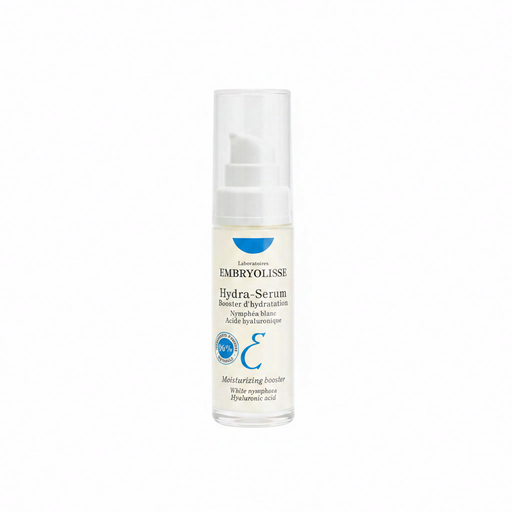
Why it suits this profile: The lightweight lotion texture is designed for daily use, and the product information states that it’s suitable for all skin types, including sensitive skin.
The formula is clearly focused on hydration rather than a long list of multiple potent actives. If you have sensitive skin, do check the listed fragrance and limonene.
Contains glycerin, sodium hyaluronate and white water lily. The 30 ml formula is described as fast-absorbing.
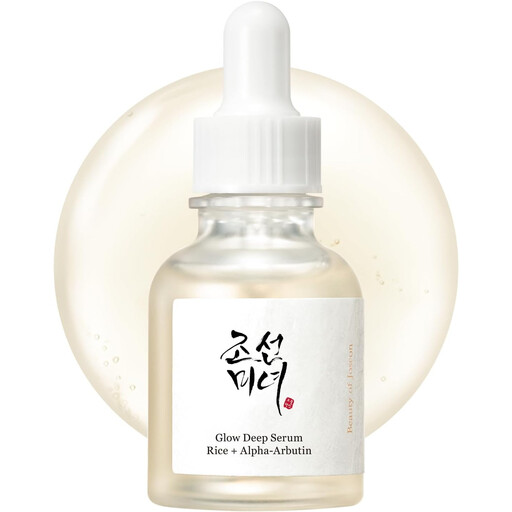
Why it suits this profile: This Korean face serum is specifically designed for dull-looking skin and pigmentation spots. According to the product specifications, it’s free from fragrance and alcohol.
The formula lists a specific concentration of 2% alpha-arbutin. This makes it easier to compare your options than relying on a general ‘brightening’ claim.
Contains rice bran water, alpha-arbutin, niacinamide and panthenol. The product information recommends using it in the evening, followed by a moisturiser.
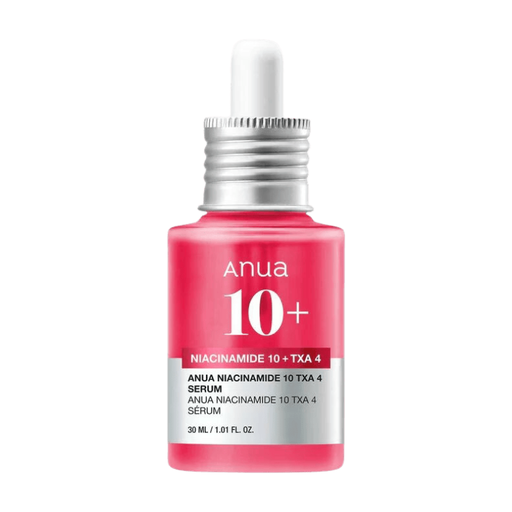
Why it suits this profile: The combination of 10% niacinamide and 4% tranexamic acid targets uneven skin tone, pigmentation spots and marks left behind by blemishes.
The percentages are stated, so you don’t have to rely on the wording on the packaging alone. Introduce it gradually and use sun protection during the day.
Also contains alpha-arbutin, several forms of hyaluronic acid and centella asiatica. The pump bottle makes it easy to dispense.
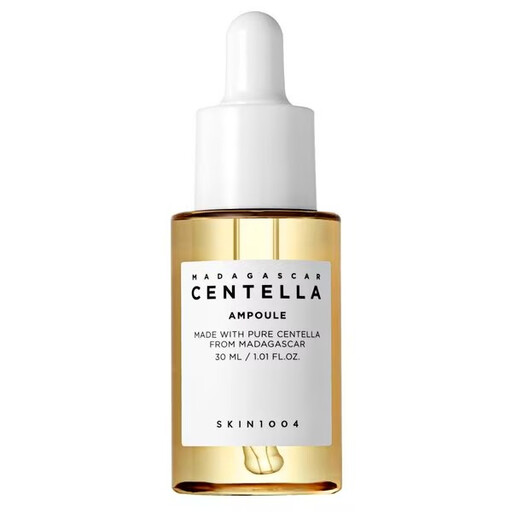
Why it suits this profile: The product information describes a watery texture with centella asiatica as the main ingredient. This could suit you if you prefer fewer layers and a lightweight finish.
The ingredients list is shorter than those of many combined brightening serums. Still, check the full packaging and test a small amount first.
According to the product description, it contains 100% centella asiatica extract. This 30 ml ampoule has a thin, non-sticky texture.
We’ve put together a full, up-to-date list of products that meet these strict selection criteria and current European safety regulations.
A serum doesn’t replace a moisturiser or sun cream. If you have dry skin, you can pair a hydrating serum with a nourishing cream to seal in moisture. If you have oily skin, a lightweight gel or lotion texture may feel more comfortable.
Usually after cleansing and, if you use one, toner, but before moisturiser. Always follow the directions for the specific product. Some formulas are designed for morning and evening use, while others recommend starting with evening use only.
It depends on the amount in the bottle, how much you use and how often you apply it. A 30 ml bottle may last from a few weeks to several months with daily use. Also check how long it can be kept after opening; this may be shown on the packaging as 6M or 12M.
Sometimes, but don’t start by combining several potent active ingredients. Begin with one formula and see how your skin responds. A simple hydrating serum with hyaluronic acid can often be used alongside another serum, but always check the ingredients and instructions.
