
Vandaag of morgen in huis

Kwaliteit gegarandeerd

Welkomstaanbiedingen ontgrendelen: GRATIS bezorging | Tot 80% korting | Gratis 30 dagen JoyPlus-proefperiode
Download de app
A face serum can be a targeted addition to your daily routine, but there is a huge range to choose from. A Korean serum with centella, a hydrating serum with hyaluronic acid or a serum for pigmentation each calls for a different choice. Attractive packaging or a long ingredients list says little on its own about whether a product is suitable for your skin.
Pay particular attention to three common pitfalls:
Start with one clear skin concern. This helps prevent you from using several powerful serums at the same time.
A watery formula generally absorbs quickly and works well under a cream. An oily or gel-based formula may feel more comfortable on dry skin, but could roll under make-up. If in doubt, test a small amount first.
Also pay attention to the usage instructions. Start with one new serum at a time and use active ingredients less frequently than the maximum recommendation on the packaging. A patch test on a small area of skin can help you spot unexpected irritation sooner.
With vitamin C, retinol, retinal and some exfoliating ingredients, broad-spectrum sun protection during the day is important. Do not use retinol or retinal products during pregnancy or breastfeeding unless a healthcare professional advises otherwise. Stop using the product if irritation persists and seek medical advice if necessary.
A serum should have a complete ingredients list, contents, shelf-life information and usage warnings. Check the PAO symbol, such as 12M, when it appears on the packaging. A pump bottle can be practical for formulas that are sensitive to light or air; with a dropper, avoid contact with the skin to keep the product clean.
For cosmetics sold on the European market, information about the responsible party is important. Also check whether the product page and packaging list the same ingredients and warnings. The packaging remains the definitive source, as formulas may change.
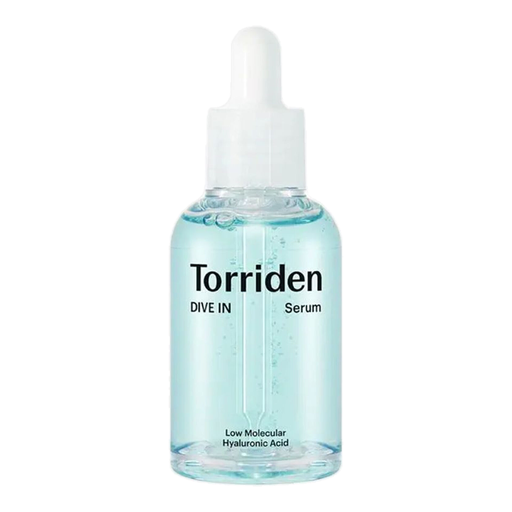
Why it suits this profile: An accessible choice for anyone mainly looking for hydration and wanting to start with one serum. The product description lists five types of hyaluronic acid, panthenol, ceramide NP and beta-glucan.
The formula focuses on one clear goal: replenishing moisture. This makes it easier to combine with other active ingredients.
50 ml contents; five forms of hyaluronic acid according to the product description; fragrance-free formula according to the listed product information.
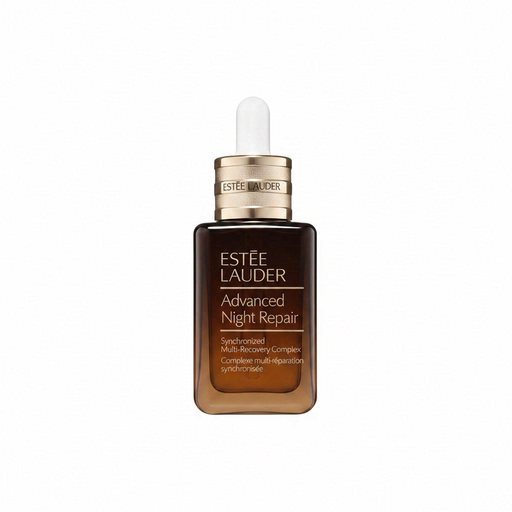
Why it suits this profile: Suitable for anyone looking for a face serum with hydration and an extensive formula for their evening routine. The product information states that it is suitable for all skin types.
The product page displays the ingredients and safety information. Claims about visible improvements come from brand communications and are not a guarantee for every user.
50 ml contents; bifida ferment lysate, glycerine and sodium hyaluronate in the listed INCI list; morning and evening use according to the product information.
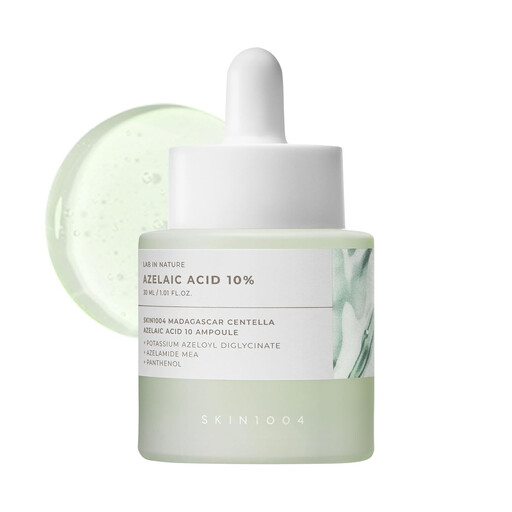
Why it suits this profile: For users specifically looking for azelaic acid for blemish-prone or easily reactive skin. According to the product description, the formula contains 10% azelaic acid, centella and no niacinamide.
The label clearly states that it is free from niacinamide. The advice to start every other day supports gradual introduction.
30 ml; 10% azelaic acid according to the product name; centella asiatica and a niacinamide-free formula according to the product description.
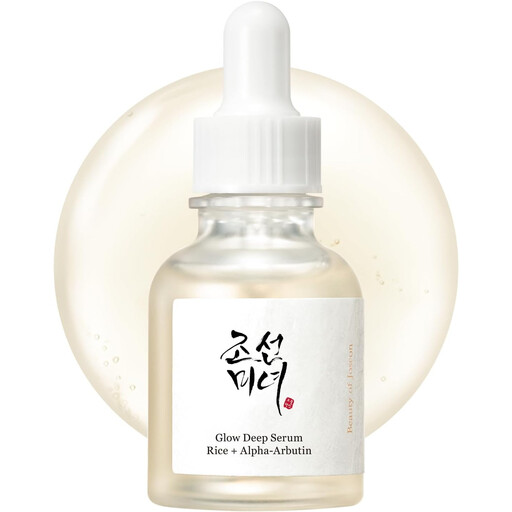
Why it suits this profile: An option for anyone looking for a serum for an even skin tone with a light, hydrating texture. The INCI list includes 2% alpha-arbutin, rice bran water and niacinamide.
The stated concentration of alpha-arbutin makes comparison easier. Daytime sun protection remains necessary as part of a routine for pigmentation.
30 ml; 2% alpha-arbutin; rice bran water listed as an early ingredient in the stated ingredients list.
We have compiled a complete, up-to-date list of products that fully meet these strict selection criteria and the applicable European safety regulations.
That depends on the formula. A hydrating serum with hyaluronic acid can often be used daily if the packaging indicates this. A retinol serum, retinal product or azelaic acid serum is best introduced gradually. Always follow the instructions on the packaging.
You can, but it is better to start with one product. For example, first combine a hydrating serum with a simple cream. Only add niacinamide, vitamin C or another active ingredient later. Do not use retinol or retinal without taking irritation and sensitivity to sunlight into account.
A 30 ml bottle often lasts several weeks to several months when a few drops are used at a time. The actual usage period depends on the dosage and frequency of use. Store the serum according to the packaging, close the bottle securely and observe the shelf life after opening.
