
Vandaag of morgen in huis

Kwaliteit gegarandeerd

Welkomstaanbiedingen ontgrendelen: GRATIS bezorging | Tot 80% korting | Gratis 30 dagen JoyPlus-proefperiode
Download de app
A face serum can be an easy way to target a specific need in your skincare routine. But there’s plenty of choice, from Korean face serums with Centella and hyaluronic acid to retinol serums, peptide serums and PDRN serums. The packaging often promises a more even-looking complexion, less visible fine lines or long-lasting hydration. These claims shouldn’t be taken as a guarantee of results.
As a Joybuy Product Recommendation Officer, I filter the key product information in a practical way. This helps you compare serums based on ingredients, concentration, usage advice and skin type, rather than relying on eye-catching marketing terms alone.
A product with lots of active ingredients isn’t automatically right for your skin. For example, a serum might combine niacinamide, retinol, acids, vitamin C and fragrance. This can make it harder to work out which ingredient has caused a reaction.
So start by thinking about what you want the serum to do:
A claim such as “10%” or “pure retinal” catches the eye, but it doesn’t tell you on its own how pleasant or suitable a formula will be. The overall formulation, packaging and frequency of use are just as important.
It’s sensible to introduce a concentrated ampoule serum gradually. Try a new product on a small area of skin first, and don’t combine several potent active ingredients in the same routine straight away.
A product description might say a serum is suitable for all skin types, but your skin could still react to fragrance, retinoids or an applicator technology that causes tingling. Always check the current ingredients list on the packaging. Formulas can change.
Stop using the product if you experience persistent irritation, swelling, itching or a burning sensation. If you’re unsure about a skin reaction, contact a doctor or dermatologist.
Decide what you’d like to add to your routine. For dry skin, a hyaluronic acid serum followed by a cream is a sensible combination. For oily or blemish-prone skin, a lightweight formula with azelaic acid may be worth considering. If you’re mainly looking for a calmer-looking complexion, a Centella serum is often a good place to start.
A serum for a more even-looking complexion may contain niacinamide, tranexamic acid or vitamin C. Check the full formula and introduce it gradually.
A watery essence usually absorbs quickly and layers easily under a moisturiser. An oilier or creamier serum may suit dry skin better, but it won’t feel comfortable for everyone under sun cream or make-up.
Compare the size, too:
Retinol and retinal can increase sensitivity to sunlight. Follow the usage instructions, wear sun cream during the day and start by using the product less often. According to celimax product information, the Vita-A Retinal Shot is for evening use only.
A tingling sensation may occur with a Reedle or micro-spicule serum, according to the product description. Don’t use these products on damaged or irritated skin, and check the instructions before combining them with other intensive treatments.
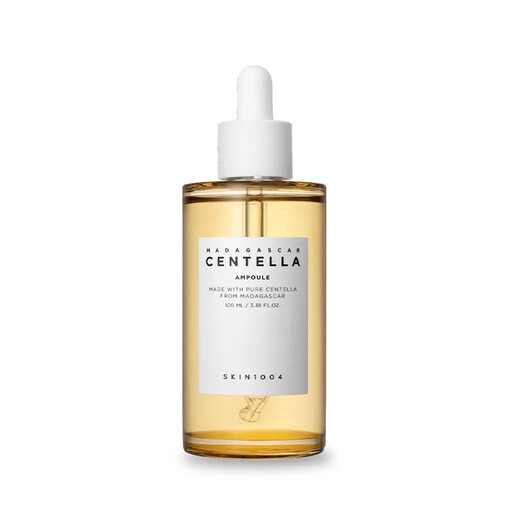
Why it suits this profile: The simple Centella formula and generous size make it a good choice if you want to start with a lightweight, hydrating serum without combining several active ingredients straight away.
The product description states that it contains 100% Centella Asiatica extract. This makes the formula’s purpose clearer than that of a serum with lots of active ingredients that aren’t explained.
100 ml; lightweight ampoule for use on the face and neck; designed to hydrate and soothe, according to the product information.
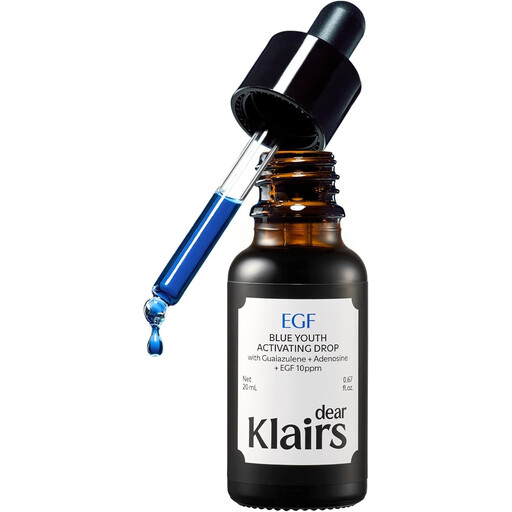
Why it suits this profile: This night-time serum is a good fit for anyone looking for a lightweight, fragrance-free formula with hyaluronic acid and peptides.
The product information describes a fragrance-free formula with a watery texture. This makes it a considered choice if you want to avoid heavy or fragranced serums.
20 ml; contains copper peptides and hyaluronic acid according to the ingredients list; suitable for evening use.
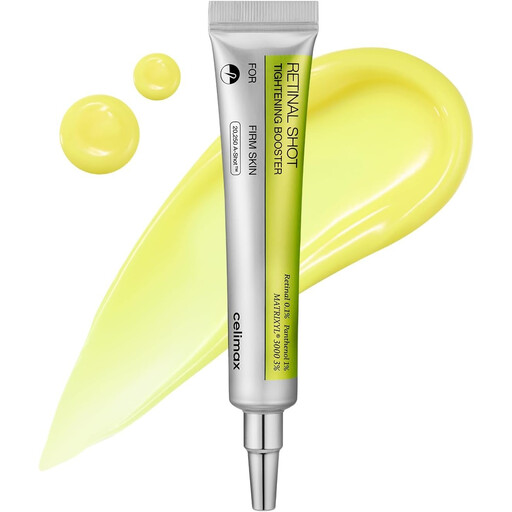
Why it suits this profile: This serum is designed for users who want to deliberately add a retinal formula to their evening routine and are prepared to introduce it gradually.
The usage instructions recommend using a small amount every other evening for the first two weeks. They also advise using sun protection the following morning.
15 ml; contains 0.1% pure retinal and 3% Matrixyl 3000 according to the product description; designed for night-time use.
We’ve put together a complete, up-to-date list of products that meet these strict selection criteria and the applicable European safety regulations.
Don’t apply several new serums at the same time. This makes it easier to see how your skin reacts to each product.
A hydrating serum can often be used daily if the packaging says so. A retinol serum, retinal serum or intensive ampoule serum usually calls for a lower starting frequency. Follow the label and cut back if you experience irritation.
Usually not. A serum is generally designed around a particular texture or ingredient, while a moisturiser helps finish your routine. For dry skin, a hydrating serum often feels better when used with a cream.
Check the expiry date and the period-after-opening symbol on the packaging. Keep the product tightly closed in a cool place, away from direct sunlight. Proper storage is especially important for vitamin A formulas. If the smell, colour or texture changes noticeably, check the packaging before using it again.
