
Vandaag of morgen in huis

Kwaliteit gegarandeerd

Welkomstaanbiedingen ontgrendelen: GRATIS bezorging | Tot 80% korting | Gratis 30 dagen JoyPlus-proefperiode
Download de app
A face serum can be a useful addition to your daily routine, but not every bottle suits every skin type. Some formulas focus mainly on hydration, while others are designed for sensitive skin, an uneven-looking complexion or visible fine lines. A high concentration or eye-catching marketing name alone says little about whether a product is right for your skin.
Look out for these three common pitfalls:
Dry or dehydrated skin often benefits from a hydrating serum containing glycerine, panthenol, betaine, sodium hyaluronate or other moisture-binding ingredients. An oily texture, such as that of the Stendhal Comfort Serum, may feel pleasant on mature or dry skin, but could feel too heavy on oilier skin.
For sensitive skin, a simple routine and a serum for sensitive skin are often a better choice than using several potent acids or vitamin A products at once. Check the INCI list for fragrance, essential oils and known allergens. “Natural” doesn’t automatically mean a product will be gentle on everyone’s skin.
Always check the latest ingredients on the packaging. Formulas can change, and a brand’s product claims don’t guarantee the same results for everyone.
A face serum is usually applied after cleansing and, if you use one, toner, followed by a moisturiser. Check whether the packaging uses a dropper, pump or capsules, and how much product you need each time. A 30 ml bottle is standard, while a face ampoule or a 50 to 100 ml bottle may be more appealing for everyday use.
Store the product as directed on the label, close the packaging securely and check the expiry date or period-after-opening information. If the product gets in your eyes or causes redness, itching or a burning sensation, follow the instructions and stop using it if irritation persists.
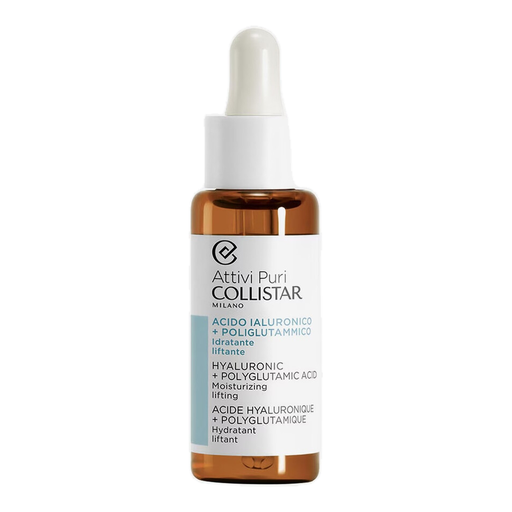
Why it suits this profile: The formula focuses clearly on hydration and, according to the product information, is suitable for all skin types. That makes it a straightforward starting point if you haven’t used a serum before.
The key active ingredients are clearly listed in the product name, so you’re less likely to choose based on marketing terms alone.
30 ml; contains hyaluronic acid and polyglutamic acid; designed for morning and evening use.
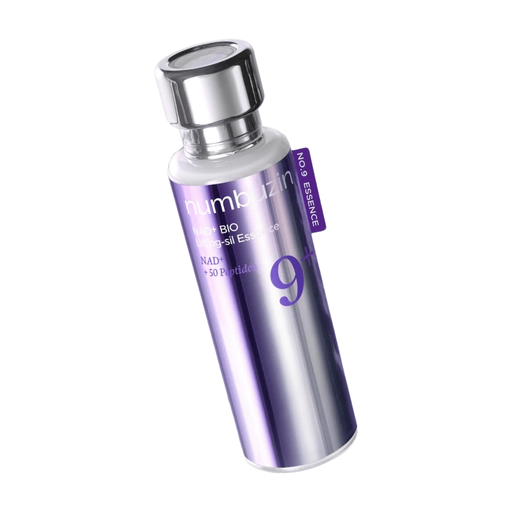
Why it suits this profile: If you’re looking for a richer formula and a detailed INCI list, this one includes glycerine, niacinamide, sodium hyaluronate, panthenol and various peptides.
The product description states that the essence is fragrance-free. If your skin reacts easily, check the full, up-to-date ingredients list too.
50 ml; contains hydrating ingredients, niacinamide, panthenol and peptides; the product information recommends morning and evening use.
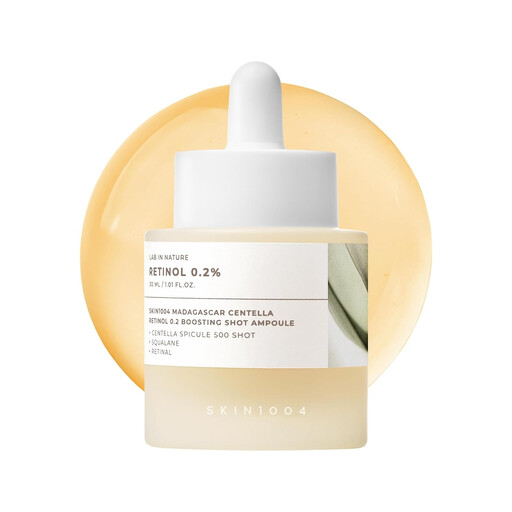
Why it suits this profile: This retinol serum is for people who want to add vitamin A ingredients to their routine and are prepared to let their skin adjust gradually.
The instructions recommend building up to use 2 to 3 times a week. This helps you avoid applying it too often straight away.
Contains 0.2% retinol and retinal; 30 ml; the product information recommends evening use and sun protection during the day.
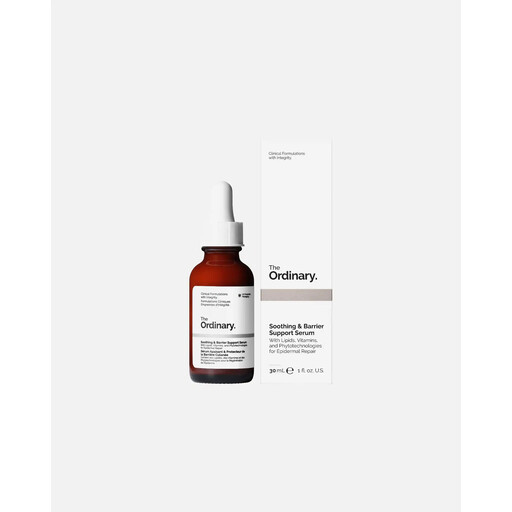
Why it suits this profile: The product information describes a fragrance-free, alcohol-free formula containing ingredients such as bisabolol, niacinamide, lipids and plant-derived ceramides.
It focuses on barrier care and comfort rather than a potent vitamin A or acid treatment.
30 ml; fragrance-free according to the product information; contains niacinamide, bisabolol and ceramide-like lipids.
We’ve put together a full, up-to-date list of products that meet these strict selection criteria and the applicable European safety requirements.
First, cleanse your face, then apply a few drops of serum. Follow with a moisturiser to lock in moisture. Only apply retinol products as directed, usually in the evening. It’s a good idea to wear sun protection during the day, especially when using active ingredients that can increase sensitivity to sunlight.
It depends on the size, how much you use and how often you apply it. A 30 ml bottle may last from a few weeks to several months with daily use. Don’t automatically use more product to try to get stronger results. Also check the period-after-opening information on the packaging.
You can, but keep your routine straightforward. For example, combine a hydrating serum with a simple moisturiser. Take more care when using a retinol serum, azelaic acid and exfoliating acids in the same routine. Introduce one new product at a time so you can better judge how your skin reacts.
