
Vandaag of morgen in huis

Kwaliteit gegarandeerd

Welkomstaanbiedingen ontgrendelen: GRATIS bezorging | Tot 80% korting | Gratis 30 dagen JoyPlus-proefperiode
Download de app
A face serum can be a useful addition to your daily skincare routine, but choosing one is not always straightforward. A lightweight texture, eye-catching ingredients list or promise of a “glow” says little on its own about whether it is suitable for your skin. Particularly if you have dry, sensitive, red or acne-prone skin, the wrong combination can leave you feeling uncomfortable or result in wasted money.
The following pitfalls are common:
Determine one main priority. This makes comparing products more manageable.
Do not look at just one popular ingredient. The overall formula determines how the product feels and how easily it fits into your routine. For example, a serum with 10% azelaic acid also contains other ingredients that affect its texture and tolerability. According to ANUA’s product information, dryness or pilling may occur; it recommends introducing the product gradually and keeping the skin sufficiently moisturised.
At first, it is best not to combine several intensive products at the same time, such as a vitamin C serum, exfoliating acid and retinoid-like product. Test a new formula on a small area of skin first. Stop using it if you experience persistent redness, itching, swelling or a burning sensation, and consult a doctor or dermatologist if you have concerns.
A pipette, pump dispenser or dropper bottle affects ease of use. Pay attention to:
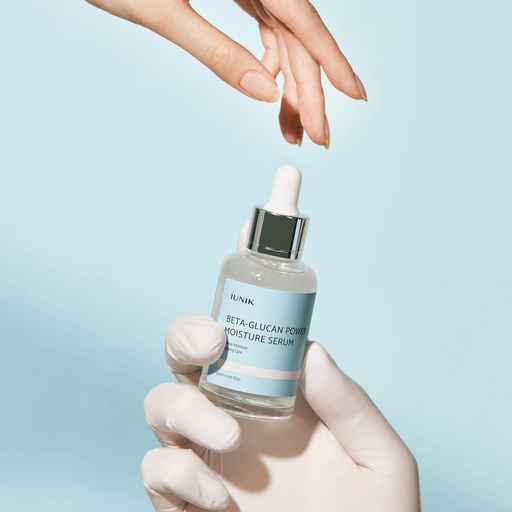
Why it suits this profile: With 50 ml and a simple focus on moisture, this is an accessible choice for anyone trying a hydrating serum for the first time.
The product information focuses on beta-glucan and moisture, without a long list of strongly exfoliating active ingredients.
50 ml contents; intended for use after cleansing or toner; made in South Korea.
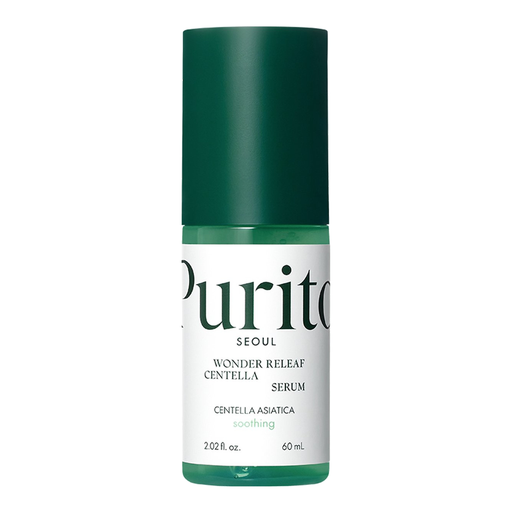
Why it suits this profile: The formula combines centella asiatica, niacinamide, sodium hyaluronate, panthenol and ceramide NP for a routine with several supportive ingredients.
The ingredients list can be checked and includes both active ingredients and potential fragrance components, helping you compare products with confidence.
60 ml contents; dispenser packaging; contains centella asiatica, niacinamide and ceramide NP.
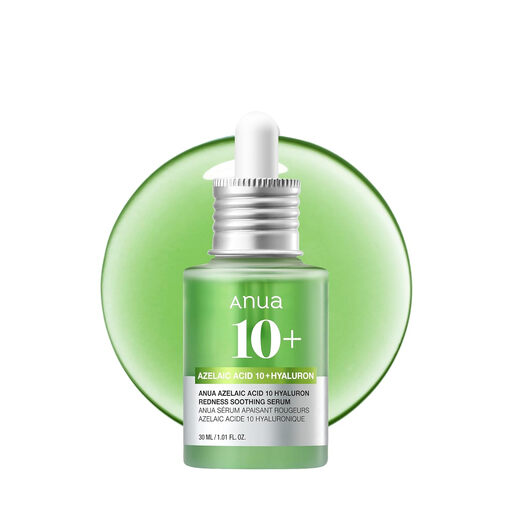
Why it suits this profile: This serum is aimed at anyone specifically looking for azelaic acid, hydration and a soothing routine.
The usage instructions recommend starting once or twice a week. This helps you gradually introduce 10% azelaic acid.
30 ml contents; contains panthenol, allantoin, niacinamide and centella asiatica alongside azelaic acid.
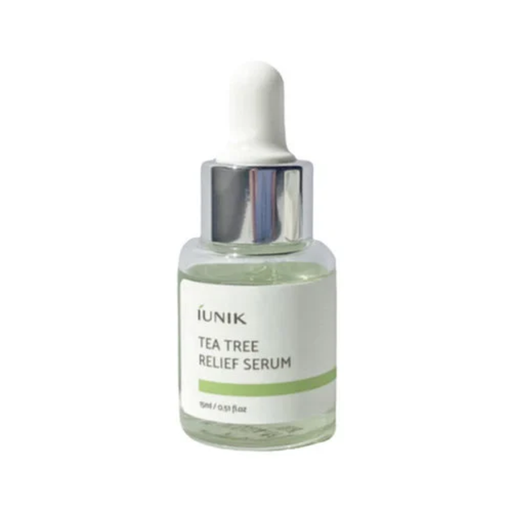
Why it suits this profile: The mini size is ideal for trying out a Korean skincare routine first or taking it with you when travelling.
With 15 ml, you do not have to buy a large pack before you know how your skin reacts.
15 ml travel size; contains tea tree leaf water, centella asiatica, niacinamide and adenosine according to the product description.
We have put together a complete, up-to-date list of products that fully meet these strict selection criteria and the applicable European safety regulations.
Apply a few drops after cleansing and, if required, after toner. Gently spread the product over your face, then follow with a moisturiser. Use sun protection during the day when this suits the ingredients and your routine. Start with one new serum at a time so you can better assess how your skin reacts.
This depends on the amount, dosage and frequency of use. A 15 ml bottle is generally most suitable for trying a product or taking it with you. Always check the expiry date and the period after opening on the packaging. Store the serum according to the manufacturer’s instructions and close a pipette or pump securely.
Sometimes, but introduce them gradually. For example, start by combining a hydrating serum with a simple moisturiser. Take more care when combining vitamin C, acids, azelaic acid and retinol-like ingredients. If you have sensitive skin, spreading products across different times is often easier to manage than applying everything at once.
