
Vandaag of morgen in huis

Kwaliteit gegarandeerd

Welkomstaanbiedingen ontgrendelen: GRATIS bezorging | Tot 80% korting | Gratis 30 dagen JoyPlus-proefperiode
Download de app
A face serum can be a targeted addition to your daily skincare routine. Its lightweight formula is usually applied after cleansing and before moisturiser. However, an expensive serum is not automatically right for your skin. A long ingredients list or popular K-beauty packaging says little by itself about whether the product is a practical fit.
The most important question is therefore not: “Which promise sounds most appealing?” but: which ingredients, texture and directions for use suit my skin type and routine?
Terms such as “glow”, “firming” or “barrier repair” are often part of a product’s marketing. So check the full ingredients list. A hyaluronic acid serum, for example, may contain moisture-binding ingredients, but you will still need a moisturiser to keep your skin comfortable.
Claims about collagen, cell renewal or reducing wrinkles should also be viewed as cosmetic product claims. A brand may mention such effects based on its own research, but they are not a guarantee for every user.
A vitamin C serum, azelaic acid serum, niacinamide serum and retinol product may each have a different place in your routine. However, using everything at once increases the chance of discomfort or irritation. Start with one new product and gradually build up how often you use it.
With ingredients such as 10% azelaic acid or retinol, introducing them gradually is particularly important. Use sunscreen during the day and stop if you experience persistent redness, itching or a burning sensation.
A 30 ml bottle and a 50 ml pump bottle cannot be compared like for like. Consider the dosage, packaging system and period after opening. For example, the Beauty of Joseon Light On Serum states a six-month period after opening. Always check the current information on the packaging, as ingredients and packaging details may change.
A gel serum generally feels lightweight and works well under a day cream. A lotion- or oil-based formula may be more suitable for dry skin, but may feel less comfortable under make-up. Usually apply one or two pumps or a few drops; using more product does not automatically mean better results.
Apply the serum to cleansed skin, optionally after toner. Finish with moisturiser. During the day, sunscreen should be the final step.
Check whether the product suits your preferences, for example alcohol-free, fragrance-free or vegan. These characteristics do not tell you everything about tolerance, but they can help when comparing products. A formula described as dermatologically tested will not necessarily be problem-free for everyone.
When your order arrives, check the official packaging, batch information, shelf life and ingredients. Do not use serum on damaged skin and avoid contact with the eyes.
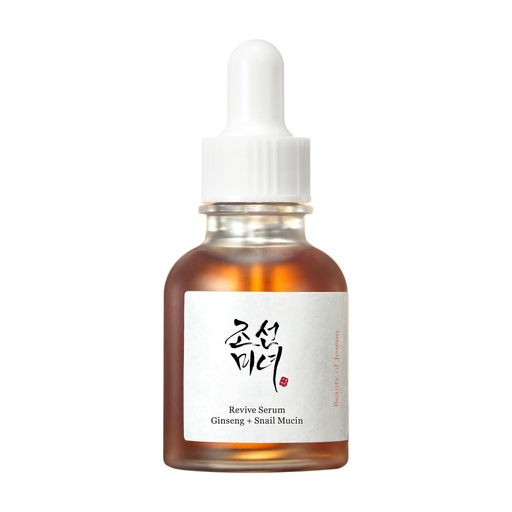
Why it suits this profile: The gel texture and focus on hydration make this an accessible choice for anyone starting out with K-beauty and with dry or normal skin.
The product information clearly states the 30 ml contents, pump bottle and recommended use of one to two pumps. This makes the dosage easy to follow.
According to the ingredients list, it contains 3% snail mucin filtrate, glycerine, niacinamide and several forms of hyaluronic acid.
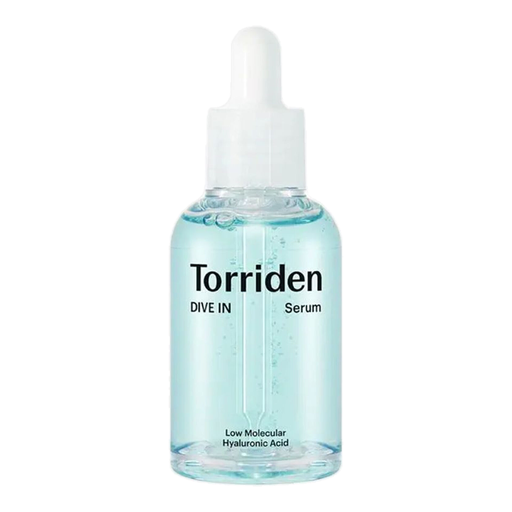
Why it suits this profile: This hydrating face serum is designed for users looking for a lightweight, fragrance-free formula with several moisture-binding ingredients.
The product description specifies five types of hyaluronic acid and describes the formula as fragrance-free. Check these details on the current packaging when buying.
50 ml contents; the ingredients list includes panthenol, ceramide NP and beta-glucan alongside hyaluronic acid.
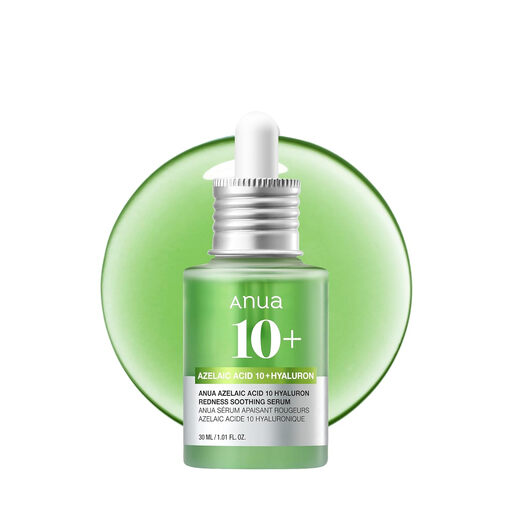
Why it suits this profile: Suitable for anyone specifically looking for a serum for redness or an uneven complexion and willing to gradually build up how often they use it.
The directions recommend starting with once or twice a week and carrying out a patch test first. This reduces the risk of increasing use too quickly.
According to the product information, it contains 10% azelaic acid, panthenol, glycerine, niacinamide and ceramide NP. Sunscreen is recommended during the day.
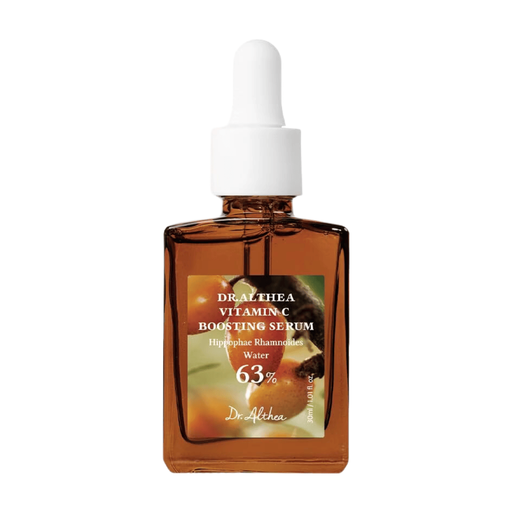
Why it suits this profile: An option for anyone looking for a vitamin C serum with a lightweight texture for a morning or evening routine.
Alongside vitamin C derivatives, the ingredients list also names hydrating and soothing components. This means the formula is not focused solely on one active ingredient.
Lists 640,000 ppm Hippophae Rhamnoides water, niacinamide, tranexamic acid, 3-O-ethyl ascorbic acid and ceramide NP.
We have put together a complete, up-to-date list of products that fully meet these strict selection criteria and the applicable European safety regulations.
Cleanse your face, then apply a small amount of serum. Gently pat the product into your skin and follow with a moisturiser. In the morning, finish with sunscreen. When using active ingredients, always follow the specific directions on the label.
This varies from product to product. Check the expiry date and the period-after-opening symbol, for example six months. Keep the bottle closed and store it somewhere cool and dry, away from direct sunlight. If the scent, colour or texture changes noticeably, check the packaging before using it again.
The price depends on the contents, ingredients, brand and packaging. So do not compare only the price per bottle; also consider the number of millilitres and the recommended dosage. A formula that suits your skin type well can help prevent you from buying several products that you ultimately do not use.
