
Vandaag of morgen in huis

Kwaliteit gegarandeerd

Welkomstaanbiedingen ontgrendelen: GRATIS bezorging | Tot 80% korting | Gratis 30 dagen JoyPlus-proefperiode
Download de app
A face serum can be a simple addition to your daily skincare routine, but the wide range of options can make choosing difficult. Are you looking for a hydrating serum, a serum for dark spots or a product for visible pores? You will soon come across terms such as “glow”, “deep absorption” and “anti-ageing”. On their own, these words say little about the formula or how to use it.
With a few standard checks, you can avoid buying a serum that does not suit your skin type, combines too many active ingredients or ends up unused in your bathroom after just a few applications.
A higher concentration of niacinamide, azelaic acid or another active ingredient may sound appealing, but it can be less comfortable for some skin types. For example, a niacinamide serum with 10% is not automatically more suitable than a formula with a lower percentage. It depends on your skin’s condition, the rest of your routine and how often you use the product.
Pay attention to combinations too. A serum containing exfoliating ingredients alongside retinol, acids or another strong active product can make your routine unnecessarily complicated.
Words such as “minimise pores”, “remove pigmentation” or “repair the skin barrier” should not be read as guaranteed results. A brand’s own research or claims may describe certain effects, but that does not automatically make them certain for every user.
That is why you should check the ingredients list. For a serum for pigmentation, for example, you can look for alpha-arbutin, niacinamide, tranexamic acid or azelaic acid. For hydration, glycerine, panthenol and different forms of hyaluronic acid are relevant ingredients.
A rich serum may feel pleasant on dry skin, but less suitable on oily or combination skin. A lightweight gel serum often works better under sun cream or make-up. A formula containing 10% azelaic acid may also cause dryness, a tingling sensation or pilling, according to the product information.
A product that you keep forgetting to use is ultimately less practical than a simple formula that fits comfortably into your routine.
Do not use several serums at the same time without a clear reason. Match your choice to one main goal:
Do not focus on just one prominent ingredient. The order on the label usually gives an indication of the quantity, although the exact percentage is not known for every substance. For products with a clearly stated percentage, such as 10% azelaic acid or 2% alpha-arbutin, you can compare the intensity more effectively.
It is best to introduce an azelaic acid serum gradually. First test a small amount on a limited area of skin and follow the instructions on the packaging. If you have sensitive skin, do not immediately combine several strong active products.
A standard 30 ml size is suitable for trying out a formula. 9 ml ampoules are handy for targeted use, while 50 or 100 ml may offer better value if you already know the product and use it regularly.
Always check the ingredients list and shelf-life information on the packaging you receive. Product information can change. Store a serum in a cool, dry place away from direct sunlight, and close the pipette or pump securely.
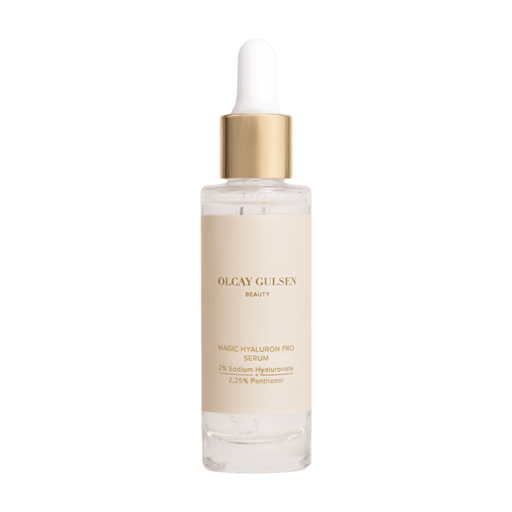
Why it suits this profile: An accessible choice for anyone primarily looking to add moisture without creating a complicated routine. The product description mentions hyaluronic acid and panthenol as key ingredients.
The focus is on hydration rather than combining several strong targeted ingredients at once. Do check the current packaging for the complete ingredients list.
30 ml; hyaluronic acid and panthenol are mentioned in the product description; designed for various skin types.
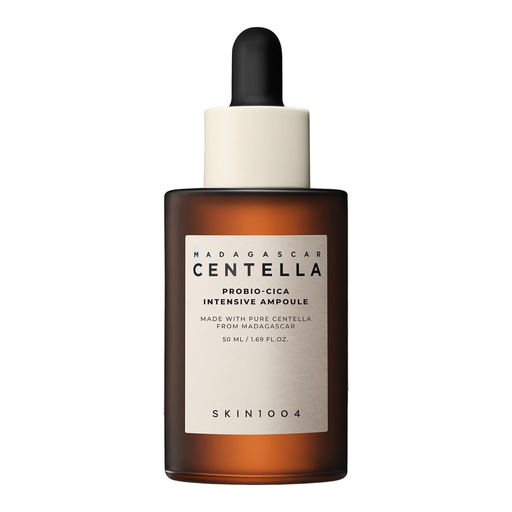
Why it suits this profile: A Korean skincare serum option for anyone who values hydration and barrier-supporting ingredients. The formula contains centella, panthenol, betaine and ceramide NP, among other ingredients.
The ingredients list makes it clear that this is not just about a prominent marketing term, but about several moisture-retaining and conditioning ingredients.
50 ml; centella and ceramide NP are listed; lightweight ampoule texture according to the product description.
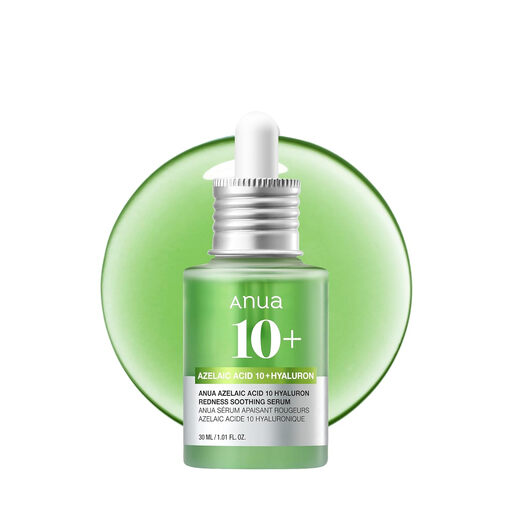
Why it suits this profile: Suitable for users specifically looking for azelaic acid, hydration and a formula with additional conditioning ingredients.
The product information clearly states 10% azelaic acid and recommends building up usage gradually. This helps avoid starting with an overly intense routine.
30 ml; according to the ingredients list, contains panthenol, glycerine, sodium hyaluronate, niacinamide and ceramide NP, among other ingredients.
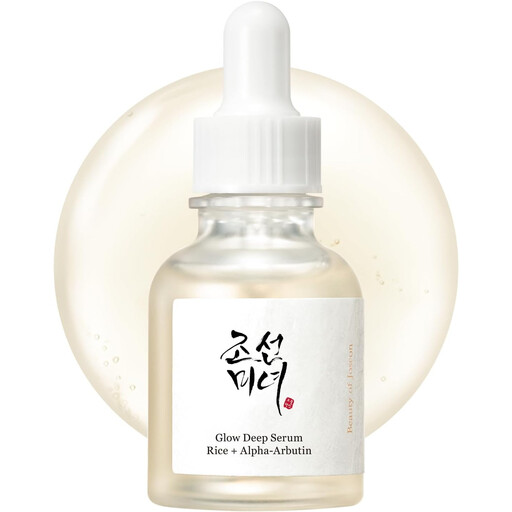
Why it suits this profile: A targeted choice for anyone looking for a serum for pigmentation and an uneven complexion, with a lightweight formula and 2% alpha-arbutin according to the product information.
The percentage of alpha-arbutin is stated, so you can assess the formula more concretely than based solely on terms such as “glow” or “brightening”.
30 ml; 2% alpha-arbutin; rice bran water and glycerine are mentioned for hydration.
We have put together a complete, up-to-date list of products that fully meet these strict selection criteria and the applicable European safety regulations.
Usually apply a serum after cleansing and, if desired, toning, but before moisturiser. Start with a small amount and do not introduce several new products at once. This makes it easier to judge which product feels comfortable on your skin.
With a serum for blemish-prone skin, it is wise to pay extra attention to the texture and any exfoliating ingredients. If you have sensitive skin, you can carry out a patch test first. Avoid contact with the eyes, open wounds and irritated skin. Use sun cream during the day when advised in the product information.
Check the expiry date and the period after opening on the packaging. Many serums, for example, state that they should be used within 12 months of opening, but this varies by product. Keep the bottle closed, dry and away from direct sunlight.
Sometimes, but it is not always necessary. Start by combining one hydrating serum with your usual moisturiser. Gradually add active formulas such as niacinamide, azelaic acid or exfoliating ingredients. If irritation occurs, stop using the new product.
The price depends on the brand, size, ingredients and packaging. So do not compare only the price of the bottle; also consider the volume in millilitres, the recommended amount and the type of formula. A 50 or 100 ml serum may offer better value per millilitre, while 30 ml is more convenient for trying a product first.
