
Vandaag of morgen in huis

Kwaliteit gegarandeerd

Welkomstaanbiedingen ontgrendelen: GRATIS bezorging | Tot 80% korting | Gratis 30 dagen JoyPlus-proefperiode
Download de app
A face serum can provide targeted support in your routine, but not every product suits every skin type. A lightweight formula with hyaluronic acid works differently from a niacinamide serum, vitamin C serum or retinol serum. So start by considering your skin’s needs, then look at the marketing claims.
A product with a high percentage of niacinamide, acids or retinol may sound appealing, but it can be less suitable for sensitive skin or a weakened skin barrier. Always check the full ingredients list and follow the instructions for use. A lower percentage that you use consistently may be more practical than an intensive formula that you have to stop using quickly because of irritation.
Claims such as “fewer wrinkles in a few weeks” or “pigmentation disappears” are no guarantee for your skin. According to the brand’s own research, certain results may have been measured under specific conditions. So treat this information as a product claim, not a guaranteed result. A serum for wrinkles or a serum for pigmentation does not replace dermatological advice either.
A hydrating serum may feel pleasant, but a sticky formula does not suit everyone under make-up. Using several active ingredients in one routine can also place unnecessary strain on your skin. Ideally, start with one face serum and only add another product later.
Pay attention to where an ingredient appears in the list. The order usually indicates the amount, but not how well it will work for your skin.
Look for clear information about fragrance, alcohol, essential oils and exfoliating acids. “Suitable for sensitive skin” is a brand or seller description, not a personal guarantee. A serum for sensitive skin may still contain an ingredient that causes you to react.
For example, according to the product information, the ANUA Heartleaf 80% Soothing Ampoule is described as fragrance-free and dermatologically tested. The ingredients list includes houttuynia cordata water, glycerine, panthenol and sodium hyaluronate, among others. These are verifiable product details; how your skin responds to them remains personal.
A 20 or 30 ml bottle is standard for a concentrated face serum. A 50, 60 or 100 ml pack may seem better value, but only if you use the product regularly before its period after opening expires. Check:
Extra care is needed with retinol products. The SKIN1004 Madagascar Centella Retinol 0.2 Boosting Shot Ampoule lists retinol and retinal, recommends using it two to three times a week initially and states that the product should only be used in the evening. According to the product information, it is not recommended during pregnancy or breastfeeding. Always follow the label and ask a healthcare professional for advice if you are unsure.
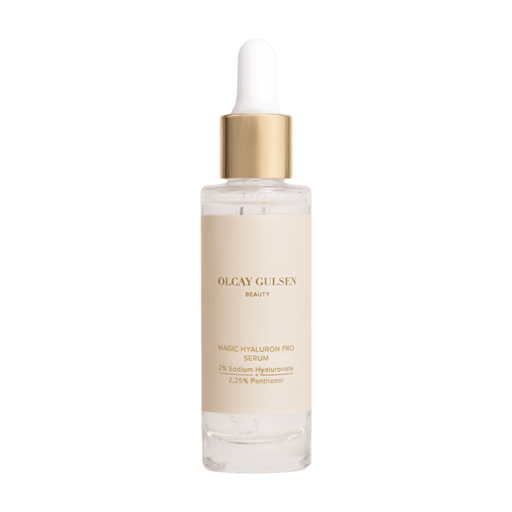
Why it suits this profile: A simple hydrating step for anyone adding a face serum to their routine for the first time. The product description mentions hyaluronic acid and panthenol and states that the formula is suitable for all skin types.
The focus is on hydration rather than a long list of intensive actives. This makes the choice more straightforward for beginners.
30 ml; hyaluronic acid and panthenol according to the product description; lightweight serum texture.
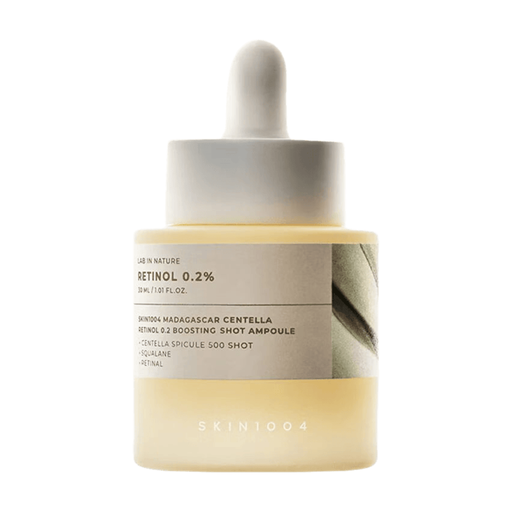
Why it suits this profile: For anyone who wants to consciously add a retinol serum to their evening routine and is prepared to build up usage gradually.
The instructions mention an adjustment phase, patch testing and evening use. This means the intensive formula is not intended for immediate daily use.
Retinol and retinal listed; contains centella and panthenol; clear instructions for gradual introduction.
We have put together a complete, up-to-date list of products that fully meet these strict selection criteria and the applicable European safety regulations.
Apply the serum after cleansing and, if required, after toner. Use a small amount and spread it over your face and neck according to the product instructions. Finish with a moisturiser to help lock in moisture. During the day, a routine containing vitamin C, retinol or ingredients targeting pigmentation should also include a sunscreen with an appropriate SPF.
Do not combine several strong products straight away. For example, start by using a hydrating serum for a few days. Only then add a niacinamide serum, vitamin C serum or retinol serum. Stop using the product if you experience persistent redness, swelling, itching or a burning sensation, and follow the safety information on the packaging.
Usually after cleansing and before moisturiser. A hyaluronic acid serum is often applied to slightly damp skin, while a retinol serum is generally intended for an evening routine. Always check the instructions for the specific product.
Shelf life varies between formulas. Check the expiry date, batch information and the symbol indicating the period after opening, such as 12M. Store the serum according to the label, usually in a cool, dry place away from direct sunlight. A change in smell, colour or texture may be a reason to stop using the product.
Often, yes. A serum adds targeted ingredients, but a moisturiser is usually the final step in your routine. This combination is particularly practical when using a serum for dry or dehydrated skin. During the day, also use sun protection when appropriate for the product instructions and your routine.
