
Vandaag of morgen in huis

Kwaliteit gegarandeerd

Welkomstaanbiedingen ontgrendelen: GRATIS bezorging | Tot 80% korting | Gratis 30 dagen JoyPlus-proefperiode
Download de app
A face serum can be a valuable step between cleansing and moisturising. However, it is not wise to rely solely on terms such as “glow”, “repair” or “anti-ageing”. Its effectiveness and suitability depend on the ingredients, concentration, directions for use and your skin type.
Buying a serum without comparing your options often leads to three problems:
First choose your skincare goal, then check the ingredients list. Some common options include:
Pay attention to the full ingredients list. The order generally gives an indication of the amount present, but it does not tell you everything about how the formula will ultimately perform.
A product for all skin types is not automatically suitable for every skin condition. Check whether the serum contains fragrance, alcohol, exfoliating acids or a high concentration of retinol. If you have reactive skin, a patch test is advisable.
Retinol and retinal require additional precautions. The product information for brands such as SKIN1004 and Some By Mi advises starting gradually, avoiding contact with the eyes and lips, and stopping use if irritation occurs. Do not use retinol products during pregnancy or while breastfeeding unless advised by a healthcare professional.
Do not compare only the price of the bottle; consider the volume too. A 100 ml bottle may offer better value for daily use than a 20 or 30 ml version, provided you use the formula before its expiry date.
Vitamin C serums can be sensitive to light, heat and air. product information advises storing the vitamin C23 serum in the fridge and using it within a limited period after opening. Always check the packaging for the official expiry date, batch information and period after opening.
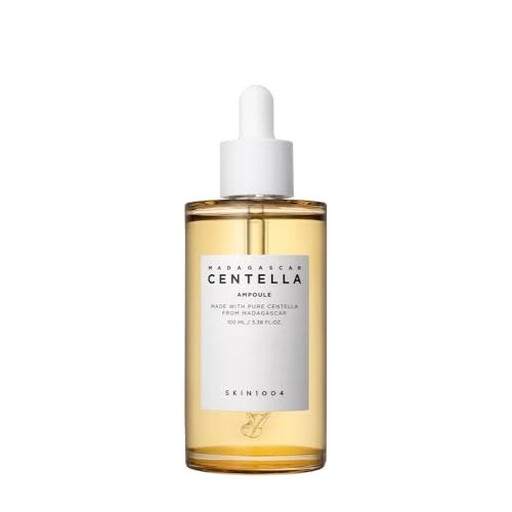
Why it suits this profile: According to the product description, this lightweight ampoule contains Centella asiatica extract and is designed to hydrate the skin and provide a comfortable feel. This makes it a straightforward starting point if you do not yet have an extensive serum routine.
The formula has one clear hero ingredient and avoids a long list of highly active ingredients that can be difficult for beginners to combine.
55 ml volume, watery texture and a focus on hydration and soothing care.
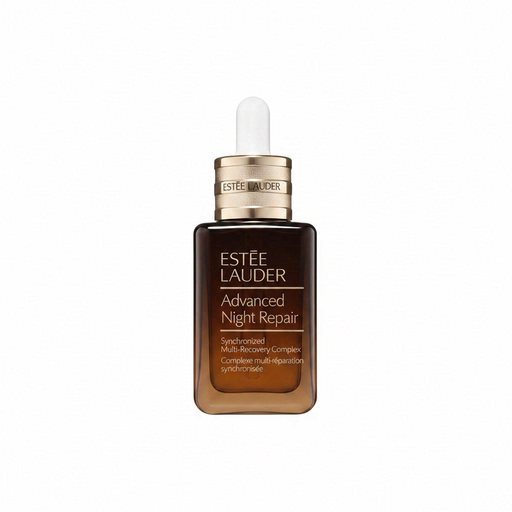
Why it suits this profile: Among other ingredients, this formula combines hyaluronic acid, ferments and the brand’s patented technology. According to Estée Lauder’s own research, it improves hydration and the appearance of fine lines, among other benefits.
The product information lists specific details such as 50 ml, an oil-free formula and suitability for all skin types, so you do not have to choose based solely on a vague anti-ageing claim.
50 ml volume, hydrating ingredients and a formula suitable for use both morning and evening.
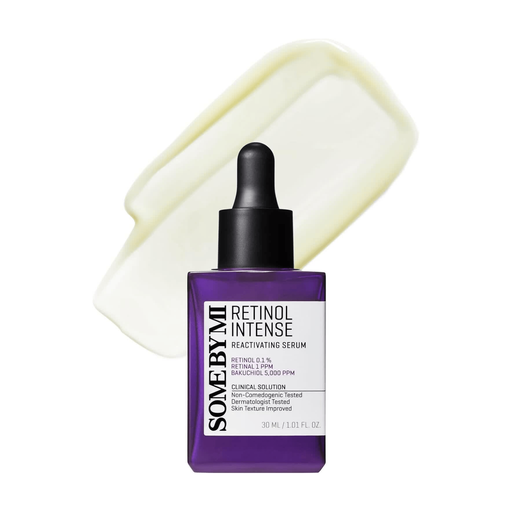
Why it suits this profile: According to the ingredients list, this retinol serum contains 0.1% retinol, retinal, bakuchiol, panthenol and ceramide NP. It is aimed at users who want to gradually expand their evening routine.
The directions recommend introducing it gradually, carrying out a patch test and using it in the evening. This makes it less likely that you will apply too many active products at once.
A clear retinol concentration of 0.1%, plus nourishing ingredients such as panthenol and ceramide NP.
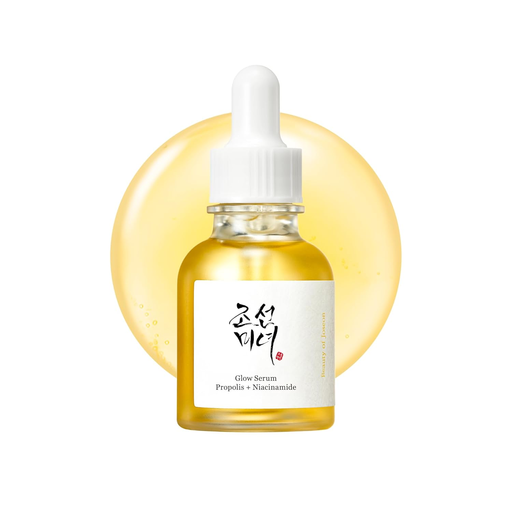
Why it suits this profile: According to the product information, this Korean skincare serum combines 60% propolis extract with 2% niacinamide and also contains sodium hyaluronate and Centella asiatica.
The concentrations of the two main actives are stated. This is more useful than choosing based solely on the name “glow” or “radiance”.
2% niacinamide, 60% propolis extract and directions to apply 2 to 3 drops after cleansing and toning.
We have put together a complete, up-to-date list of products that fully meet these strict selection criteria and the applicable European safety regulations.
An anti-ageing serum is therefore not necessarily the right choice for dry skin, and a vitamin C serum is not always suitable for sensitive skin. Compare the formula with your existing routine and choose a product you can use consistently.
You usually apply serum after cleansing and before moisturiser. Some formulas are suitable for morning and evening use, while a retinol serum is generally used only in the evening. Always follow the label of the specific product.
This varies depending on the formula and packaging. Check the expiry date, batch information and the symbol indicating the period after opening. Store serums that are sensitive to light and temperature according to the product instructions. A vitamin C serum, for example, may require particularly careful storage.
Sometimes, but do not combine several strong actives without checking first. Retinol, high concentrations of vitamin C and exfoliating acids can cause irritation more quickly when used together. Start with one serum and only add a second later if your skin tolerates the routine well.
