
Vandaag of morgen in huis

Kwaliteit gegarandeerd

Welkomstaanbiedingen ontgrendelen: GRATIS bezorging | Tot 80% korting | Gratis 30 dagen JoyPlus-proefperiode
Download de app
A face serum can be a useful addition to your daily routine, but the choice is vast. A Korean serum, hydrating serum, niacinamide serum or anti-ageing serum is often promoted with eye-catching claims. Yet a marketing term means little if the ingredients, concentration and usage instructions don't suit your skin.
Pay particular attention to these three common pitfalls:
Don't start with a brand name; start with your most important skin need.
A percentage is only meaningful when you also look at the overall product and the usage instructions. For example, the ANUA Azelaic Acid 10 Hyaluron Redness Soothing Serum contains 10% azelaic acid and betaine salicylate. The product information advises starting gently, for example once or twice a week. That makes it less suitable if you want to combine several exfoliating products straight away.
For a serum targeting dark spots, 2% alpha-arbutin in the Beauty of Joseon Glow Deep Serum and 10% niacinamide plus 4% tranexamic acid in the ANUA Niacinamide Serum are verifiable points from the product information. Use sunscreen during the day; a brightening serum does not independently protect against UV radiation.
A light gel or watery formula can be pleasant for oily or combination skin. A richer serum with glycerine, oils or ceramides may suit a dry skin better. Also check:
Generally, apply a face serum after cleansing and optionally toner, followed by a moisturiser. Use sunscreen during the day when the product information advises it, or when you are using active ingredients such as retinol, retinal, vitamin C or acids.
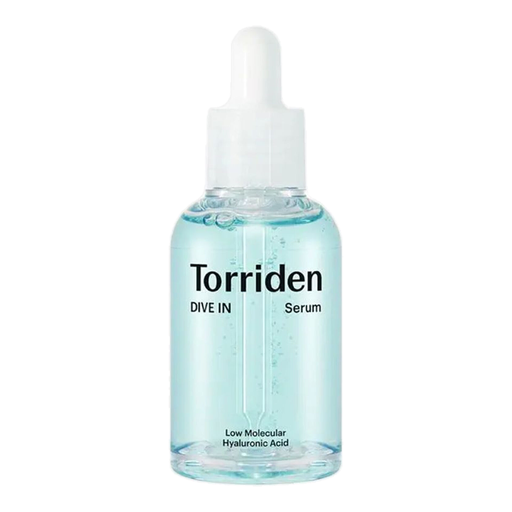
Why this fits the profile: The formula focuses on daily hydration and contains five types of hyaluronic acid, panthenol, ceramide NP and beta-glucan. Its fragrance-free nature is practical if you want to keep your routine simple.
The focus is on a limited, clear main goal: moisture. This means you don't have to combine several strong active ingredients straight away.
50 ml content, fragrance-free according to the product description, and contains panthenol and ceramide NP.
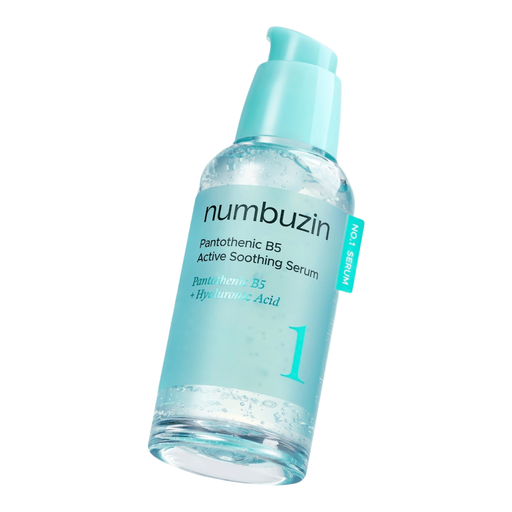
Why this fits the profile: This serum combines niacinamide, panthenol, pantothenic acid, allantoin, beta-glucan and multiple forms of hyaluronic acid. It suits those who want to combine hydration and care in one product.
The ingredient list and safety instructions are available, so you can check in advance whether the formula suits your skin.
50 ml content; contains niacinamide, panthenol and sodium hyaluronate according to the stated ingredient list.
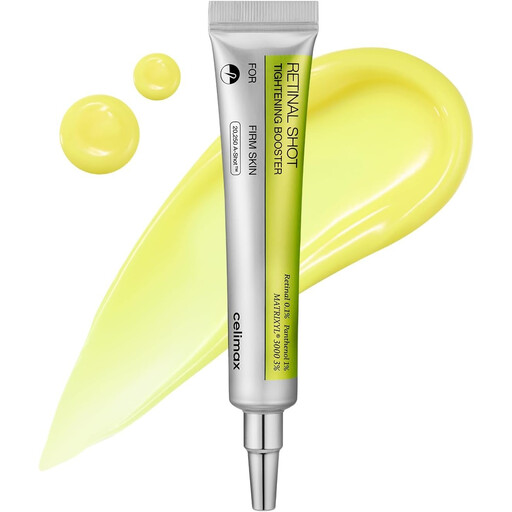
Why this fits the profile: According to the product description, this product contains 0.1% retinal and 3% Matrixyl 3000. It is intended for evening use and requires gradual build-up.
The usage instructions advise starting every other evening and using less product or less frequently if irritation occurs.
0.1% retinal; compact 15 ml content; clear warning about sun sensitivity and night-time use.
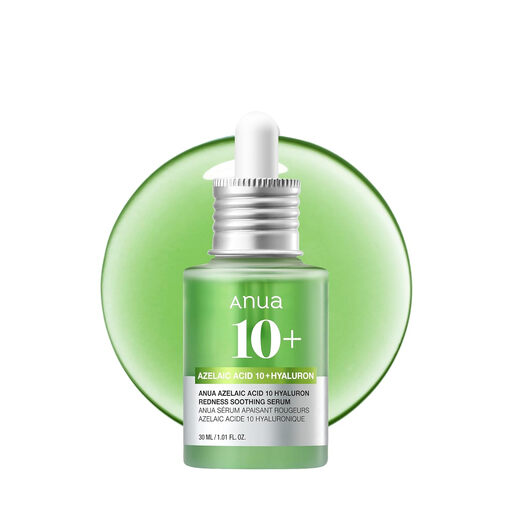
Why this fits the profile: The formula contains 10% azelaic acid, panthenol, allantoin, niacinamide, beta-glucan and ceramide NP. The step-by-step instructions are relevant for users who want to work in a targeted way.
The product information warns of dryness or irritation and advises patch testing and slow build-up.
10% azelaic acid; contains ceramide NP and panthenol; frequency of use can be built up according to the instructions.
We have compiled a full, up-to-date list of products that fully meet these strict selection criteria and comply with current European safety regulations.
Cleanse your face, use toner if desired, then apply a few drops of serum. Gently spread the product over your skin and finish with a moisturiser. Use sunscreen during the day if the product contains active ingredients that can make your skin more sensitive to sunlight.
Check the packaging for the expiry date, batch information and the period-after-opening symbol, such as 12M. Store the serum tightly closed, out of direct sunlight and according to the manufacturer's instructions. A change in smell, colour or texture is a reason not to continue using the product.
Sometimes you can, but it's not necessary to use them all at once. Start with one active serum and give your skin time to get used to it. Retinol or retinal is typically used in the evening; sun protection is important during the day. For sensitive skin, alternating is often clearer than using several active products in one routine.
