
Vandaag of morgen in huis

Kwaliteit gegarandeerd

Welkomstaanbiedingen ontgrendelen: GRATIS bezorging | Tot 80% korting | Gratis 30 dagen JoyPlus-proefperiode
Download de app
A face serum usually contains a higher concentration of targeted ingredients than a standard moisturiser. This can make it worth considering if you have dry skin, a dull complexion, dark spots, enlarged pores or visible signs of ageing. However, an expensive bottle isn’t automatically the right choice.
The most important question isn’t which packaging looks the most luxurious, but which formula suits your skin concerns, routine and tolerance.
A serum with lots of active ingredients may seem appealing, but combining several potent ingredients can be difficult. So focus on the key active ingredients, their concentrations if listed, and the instructions for use.
For example, a vitamin C serum, dark spot serum or niacinamide serum may be suitable if you want a more even-looking complexion. That doesn’t mean you should also use retinol, acids and several exfoliating products on the same evening.
Words such as “glow”, “lifting” and “regeneration” often describe a brand’s positioning. According to the brand’s product description, for example, a peptide serum may make skin look firmer or smoother. This isn’t guaranteed for every user.
Instead, look for information you can check:
Some formulas can make your skin more sensitive to sunlight. If you use a serum containing kojic acid, vitamin C, AHA or retinol, daily sun protection is a good idea. Retinol serums and retinal products are best used in the evening, building up use gradually.
Stop using the product if you experience persistent redness, itching, swelling or a burning sensation. Try a new serum on a small area of skin first. Cosmetic products aren’t intended to medically treat skin conditions.
A higher percentage isn’t automatically better suited to your skin. For example, according to the product information, the ANUA serum contains 10% niacinamide and 4% tranexamic acid, while the celimax serum lists 5% niacinamide and 3% tranexamic acid. The second formula may therefore appeal more if you’re looking for a less concentrated combination.
Consider the texture too. A lightweight gel often works well under sunscreen or make-up. A richer serum containing oils, shea butter or silicones may feel more comfortable on dry skin.
A pump bottle limits contact with air and fingers. A dropper bottle needs to be used hygienically: don’t touch the pipette to your skin. When your order arrives, check the expiry date, batch information and ingredients on the packaging. These details may differ from an online product listing.
Apply a serum after cleansing and, if you use one, toner. Follow with a moisturiser. Many active formulas should be paired with sunscreen during the day.
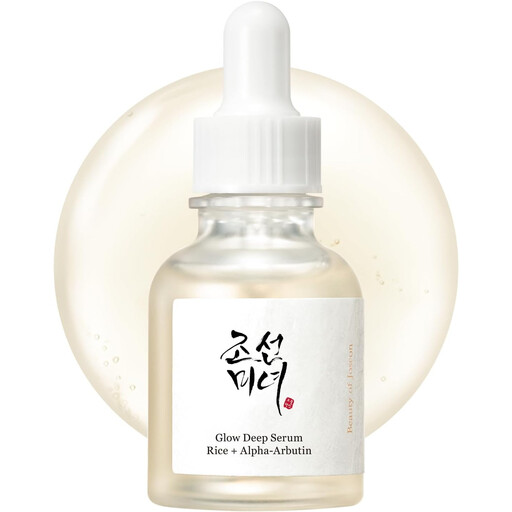
Why it suits this skin profile: This lightweight formula combines rice bran water, 2% alpha-arbutin and niacinamide. It’s a straightforward choice if you’re trying a serum for dark spots or dull skin for the first time.
The product information lists a limited, clearly identifiable combination of active ingredients and recommends applying it after cleansing, followed by a moisturiser.
30 ml; according to the product information, fragrance-free, alcohol-free and suitable for dull skin.
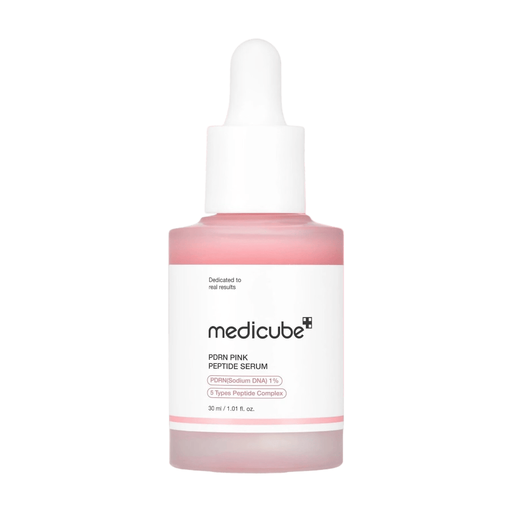
Why it suits this skin profile: This Korean skincare serum is designed for mature skin that could benefit from a richer peptide formula and a nourishing routine for the face and neck.
The ingredients list includes several peptides, niacinamide, hyaluronic acid and fragrance. This makes it easier to compare the formula with your own skin’s tolerance before use.
According to the product information, it contains several peptides and ceramides; intended for use in the morning and evening.
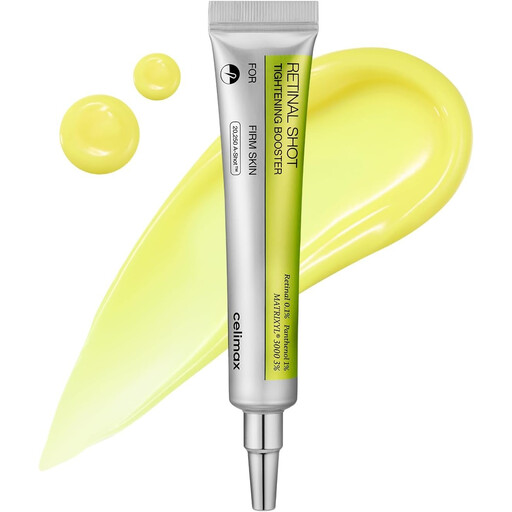
Why it suits this skin profile: A targeted option for experienced users who want to add retinal to an evening routine for skin texture, fine lines or mature skin.
The instructions state that it contains 0.1% retinal, is for night-time use only and should be introduced gradually, every other evening. This helps prevent you from using too much product too soon.
15 ml; according to the product information, it contains 0.1% retinal and 3% Matrixyl 3000. Sun protection is needed during the day.
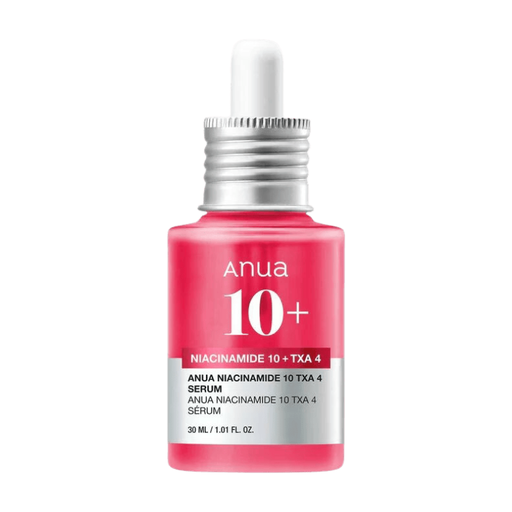
Why it suits this skin profile: This combination is designed for an uneven complexion, visible dark spots and oilier skin. It may suit you if you’re looking for one serum that targets several concerns.
The niacinamide and tranexamic acid percentages are listed, along with information that the formula is fragrance-free, alcohol-free and oil-free. This makes it easier to compare with formulas that don’t list their percentages.
30 ml; according to the product information, it contains hyaluronic acid, alpha-arbutin and 10% niacinamide.
We’ve put together a complete, up-to-date list of products that meet these strict selection criteria and current European safety regulations.
Cleanse your face and apply a few drops, following the instructions for use. Avoid the eye area. Follow with a moisturiser. If you’re using an active serum during the day, finish with sunscreen.
Check the expiry date and the period-after-opening symbol on the packaging. Store the bottle in a cool, dry place away from direct sunlight. If the product changes in smell, colour or texture, stop using it.
Sometimes, but it’s best to start with one formula. Don’t combine retinol, retinal, acids, kojic acid and vitamin C in the same routine without checking first. Only add a second serum once your skin tolerates the first one well, and check the instructions from both brands.
