
Vandaag of morgen in huis

Kwaliteit gegarandeerd

Welkomstaanbiedingen ontgrendelen: GRATIS bezorging | Tot 80% korting | Gratis 30 dagen JoyPlus-proefperiode
Download de app
A face serum usually contains a higher concentration of specific ingredients than a regular cream. This means it can target concerns such as dry skin, a dull complexion, pigmentation, fine lines or a weakened skin barrier. But choosing the right one isn’t just about an eye-catching promise on the packaging. Start by checking the ingredients list, directions for use and texture.
A vitamin C serum with a high concentration may sound appealing, but pure ascorbic acid can cause stinging or redness for some skin types. Niacinamide, retinol and exfoliating acids also need to be introduced gradually. A lower percentage or a more stable derivative may be more practical for everyday use.
Pay attention to the form of the ingredient, too. 3-O-ethyl ascorbic acid, for example, is a vitamin C derivative, while ascorbic acid is the pure form. These ingredients aren’t directly comparable.
Words such as “lifting”, “glow” or “regenerating” don’t automatically guarantee a result. According to brands’ own product information, ingredients such as peptides, niacinamide or PDRN may help skin look smoother, more hydrated or firmer. These are not medical effects, and results vary from person to person.
So, focus on checking:
Using a vitamin C serum, retinol serum, exfoliant and pigmentation serum on the same evening can make your routine unnecessarily harsh. Start with one goal, such as hydration or a more even skin tone. Add a second active product later only if your skin tolerates the first one well.
Choose a serum based on the concern you want to address every day:
A percentage only tells you something useful when you know which substance and form it refers to. Packaging matters with vitamin C, too: light, heat and air can cause some formulas to discolour or oxidise more quickly. Store the product according to the label and close the packaging straight after use.
Retinol serums and retinal products are generally used in the evening. Introduce them gradually and apply sun protection the following morning. For example, the celimax product below recommends using it every other evening for the first two weeks, and applying a small amount.
A watery serum feels light and often sits well under a day cream. A milky or gel texture may feel more comfortable on dry skin. Don’t just look at the price per bottle; check the size and dosage, too. With careful use, a 15 ml bottle may last longer than a larger one with a generous pump dosage.
Check the expiry information on the packaging when your order arrives. Product details on a webshop can change, so always follow the information on the label of the product you receive.
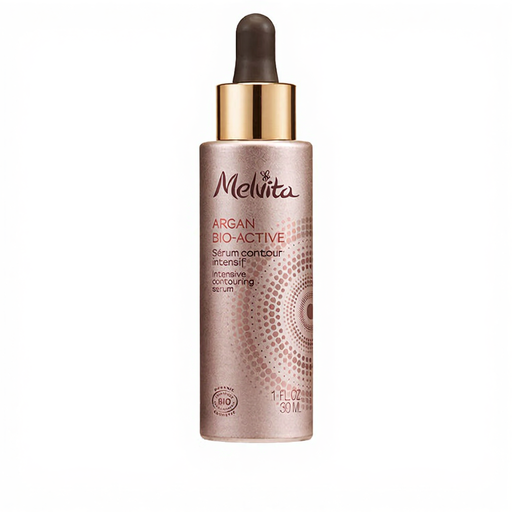
Why it suits this profile: A compact formula with glycerine, hyaluronic acid and argan oil for anyone looking for a simple hydrating serum without an elaborate routine.
The ingredients list lets you check the main humectants for yourself. However, bear in mind that it contains alcohol denat. and fragrance if your skin is sensitive to them.
30 ml size, hyaluronic acid in the formula and a stated period after opening of 6 months.
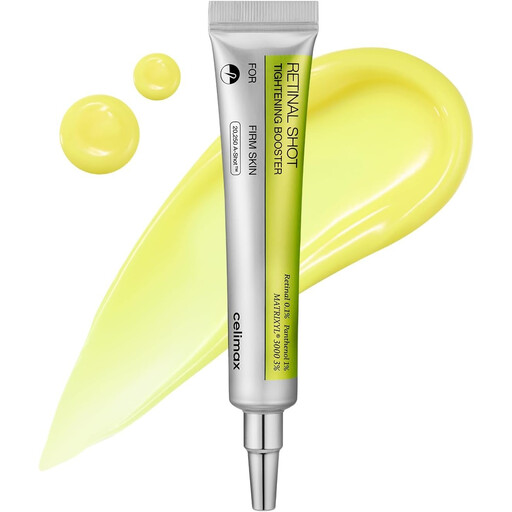
Why it suits this profile: A targeted choice for anyone who wants to introduce a retinal product gradually into their evening routine.
The directions specify 0,1% retinal, night-time use, a small amount and gradual introduction. This can help prevent overuse.
0,1% retinal, 3% Matrixyl 3000 according to the product description, and a clear warning about sun sensitivity.
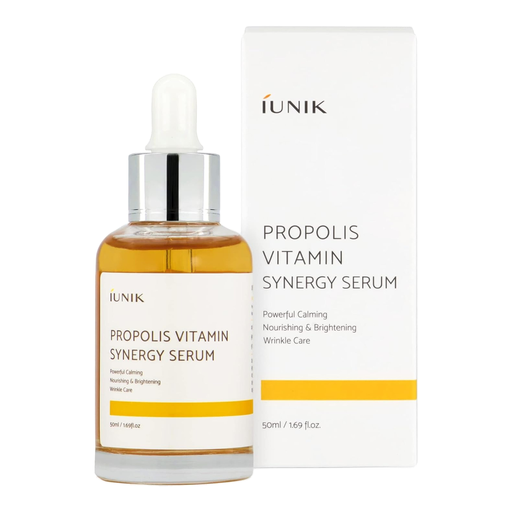
Why it suits this profile: The brand description lists propolis, niacinamide, glycerine and hyaluronic acid, making it a good fit if you’re looking for a nourishing Korean skincare serum texture.
Check the full ingredients list first: the formula contains bergamot oil and limonene, among other ingredients. If you have sensitive skin, try a small patch test first.
50 ml size, propolis extract high on the ingredients list and sodium hyaluronate in the stated formula.
We’ve put together a complete, up-to-date list of products that meet these strict selection criteria and current European safety regulations.
Don’t assume you should use vitamin C, niacinamide, peptides, bakuchiol or PDRN all at once. A simple routine that you use consistently is easier to manage than several serums that may overlap.
Usually after cleansing and, if you use one, toner, but always follow the product instructions. A lightweight serum can be applied before a cream. Retinal and retinol products are generally intended for evening use.
Shelf life varies depending on the formula and packaging. Check the expiry date and the period-after-opening symbol, for example 6M. Store your serum in a cool, dry place away from direct sunlight. Vitamin C serums may discolour more quickly when exposed to heat or light.
Choose a formula with a limited number of active ingredients, and check for fragrance, essential oils, alcohol denat. and retinoids. Introduce a serum for sensitive skin gradually. A patch test can’t guarantee you won’t react, but it may help you spot a potential reaction sooner.
