
Vandaag of morgen in huis

Kwaliteit gegarandeerd

Welkomstaanbiedingen ontgrendelen: GRATIS bezorging | Tot 80% korting | Gratis 30 dagen JoyPlus-proefperiode
Download de app
A face serum can be a useful addition to your routine, but not every facial serum suits every skin type. A lightweight formula can feel comfortable on oily or combination skin, while dry skin often benefits more from glycerine, hyaluronic acid or other moisture-binding ingredients. If you focus mainly on eye-catching packaging or promises such as “glow”, you risk buying a product that does not meet your skin’s needs.
A serum containing lots of active ingredients may sound appealing, but more ingredients do not automatically mean it will suit your skin better. Niacinamide, vitamin C, tranexamic acid, retinol, peptides and exfoliating acids each serve a different purpose and may be less suitable for sensitive skin.
Always check the INCI label first. Look at which ingredients appear high up the list and bear in mind any known allergies. A brand’s product claims are no guarantee of the same results for every user. According to the brand’s product information, certain formulas may, for example, help create a smoother or more even-looking complexion; this is not a guaranteed personal result.
The description serum for all skin types is convenient, but says little about your specific situation. According to the product details, a formula may be suitable for all skin types and still feel less comfortable if your skin reacts quickly to alcohol, fragrance, retinol or a high concentration of active ingredients.
For dry skin, look for a hydrating serum containing glycerine, hyaluronic acid, panthenol or similar humectants. If your complexion looks dull, a brightening serum containing niacinamide, a vitamin C derivative or alpha-arbutin may be worth considering. For sensitive or blemish-prone skin, a short, straightforward routine is usually wiser than using several strong serums at once.
A serum for dark spots or an even-looking complexion does not work like an instant filter. Your skin’s visible appearance can also be affected by sleep, sun exposure, hydration and the rest of your routine. During the day, use sunscreen when advised on the label, particularly when using vitamin C derivatives, retinol, AHA or BHA.
Choose according to your main goal:
Bear in mind that percentages are only meaningful when considered alongside the complete formula and frequency of use. A higher percentage is not automatically the better choice.
A watery texture is often absorbed quickly and is easy to combine with a moisturiser. A gel serum can feel comfortable on normal, combination or blemish-prone skin. A richer formula may be better suited to dry skin, but can feel heavier under make-up.
Usually start with a cleanser, followed by toner if required, then serum and finally moisturiser. During the day, sun protection should be the last step. Introduce one new product at a time so that you can better assess how your skin reacts.
Do not compare the price alone; compare the amount as well. Many serums contain 20, 30, 50 or 100 ml. Check the period after opening, the expiry information on the packaging and the storage instructions. Vitamin C formulas and products containing retinol require extra care regarding light, heat and keeping the container properly closed.
A small bottle can make sense if you want to introduce an active ingredient gradually. A larger ampoule is more appealing when you use the product regularly and the formula suits your skin well.
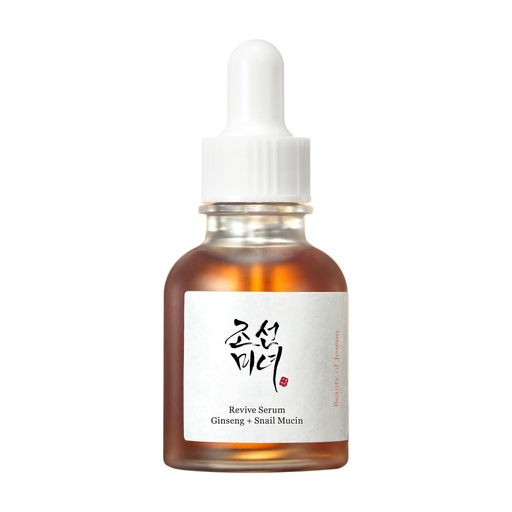
Why it suits this profile: The gel texture and 30 ml size make this an approachable introduction for anyone looking to combine hydration with a plumper-looking complexion.
The product information lists a clear combination of ginseng, 3% snail mucin, niacinamide and hyaluronic acid, rather than an unspecified glow promise.
Gel texture, 30 ml, designed to hydrate and firm; according to the product details, free from alcohol and parabens.
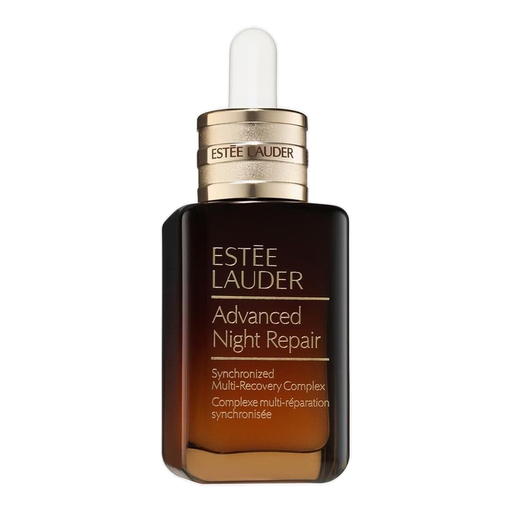
Why it suits this profile: Anyone looking for a regular part of their evening routine can easily incorporate the recommended application on cleansed skin.
The product details mention specific features such as 30 ml, oil-free and fragrance-free. Claims about repair, collagen and 72-hour hydration come from the brand’s product information and should be understood in that context.
Serum for all skin types according to the product details; use in the morning and evening is recommended; dermatologically tested according to the supplied specifications.
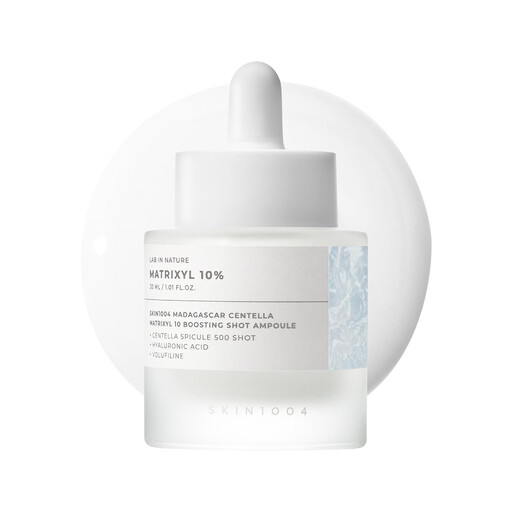
Why it suits this profile: This Korean skincare serum is intended for users who want to gradually introduce a concentrated formula containing peptides and hyaluronic acid.
The directions advise patch-testing and starting with 2 to 3 applications per week. This helps prevent you from using an intensive formula every day straight away.
According to the product information, contains 10% Matrixyl, 5% Volufiline and hyaluronic acid; 30 ml packaging with gradual introduction.
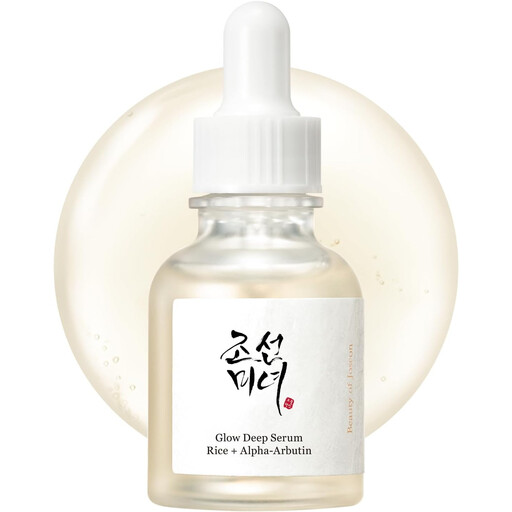
Why it suits this profile: This serum for an even-looking complexion targets dull-looking skin and, according to the product information, contains 2% alpha-arbutin and niacinamide.
The formula and its intended purpose are clearly described. The recommended evening application and advice not to place the dropper directly on the skin provide practical usage information.
30 ml, alcohol- and fragrance-free according to the product details; contains 68.6% rice bran water, 2% alpha-arbutin and niacinamide.
We have put together a complete, up-to-date list of products that fully meet these strict selection criteria and the applicable European safety regulations.
Apply a few drops to cleansed skin, after toner if required. Gently spread the product over your face and neck, then finish with a moisturiser. Always follow the instructions on the packaging. When using an active ingredient, apply sunscreen during the day if recommended.
Shelf life varies from product to product. Check the expiry date and the period after opening on the packaging. Store the serum in a cool, dry place away from direct sunlight. Close the bottle securely after use, particularly when it contains vitamin C or retinol.
Sometimes, but it is better to introduce products one at a time. Do not immediately combine several strong active ingredients. A hydrating serum containing glycerine or hyaluronic acid is generally easier to combine than multiple formulas containing retinol, acids or high concentrations of vitamin C. Stop using the product if irritation persists and follow the product’s safety information.
