
Vandaag of morgen in huis

Kwaliteit gegarandeerd

Welkomstaanbiedingen ontgrendelen: GRATIS bezorging | Tot 80% korting | Gratis 30 dagen JoyPlus-proefperiode
Download de app
A face serum can be a simple addition to your skincare routine, but there’s a lot to choose from. A hydrating serum, niacinamide serum and vitamin C serum each have a different purpose. And a higher concentration doesn’t automatically mean a product is better suited to your skin.
Many disappointing purchases come down to three common pitfalls:
Decide what you want the serum to help with:
The ingredients mentioned don’t guarantee a particular result. How well they work depends on the full formula, concentration, how long you use the product and your skin.
A percentage can help you compare products, but it needs to be considered in context. A niacinamide serum with 5% isn’t automatically more or less suitable than a formula with 10%. A higher concentration may suit some people better, but it can also cause sensitivity sooner.
Also consider the texture:
Check the net contents, too. Many serums contain 30 ml; some hydrating formulas offer 50 or 100 ml. A smaller bottle with a potent active ingredient may be intended for limited use.
A pump bottle limits contact with air and fingers. If the product comes with a dropper, use it hygienically: don’t touch your skin with the dropper. Keep vitamin C and retinal products out of direct sunlight and follow the instructions on the packaging.
Apply a serum after cleansing, and after toner if you use one, but before moisturiser. Introduce one new active product at a time. Use sunscreen during the day, especially when the product information specifically recommends it. Stop using the product if irritation persists, and speak to a doctor or dermatologist if you’re unsure.
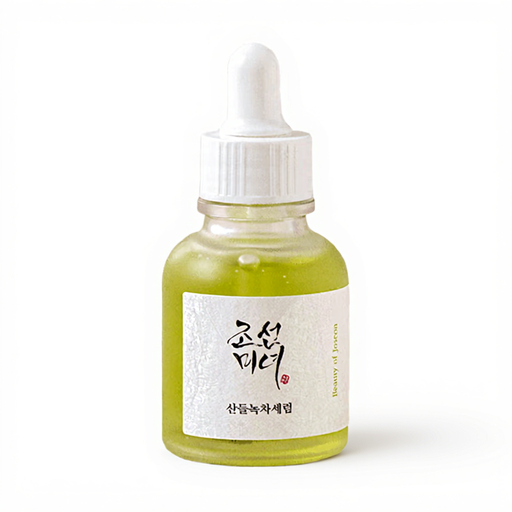
Why it suits this shopper: Its lightweight texture and blend of green tea water, panthenol and glycerin make it a good match for anyone trying a hydrating serum for the first time.
The product information says it contains no fragrance or alcohol. Always check the packaging, though, as ingredients may change.
30 ml, vegan according to the product details, with 5% panthenol according to the product description.
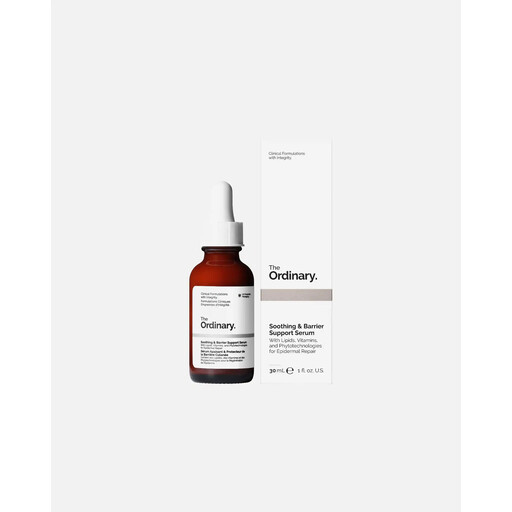
Why it suits this shopper: A good choice if you’re looking for a formula with several barrier-supporting ingredients and want to compare the full INCI list.
The formula includes niacinamide, bisabolol, lipids and ceramide-like ingredients. The product information also carries a warning about eye irritation.
30 ml, fragrance-free and alcohol-free according to the product specifications; designed for all skin types, including sensitive skin.
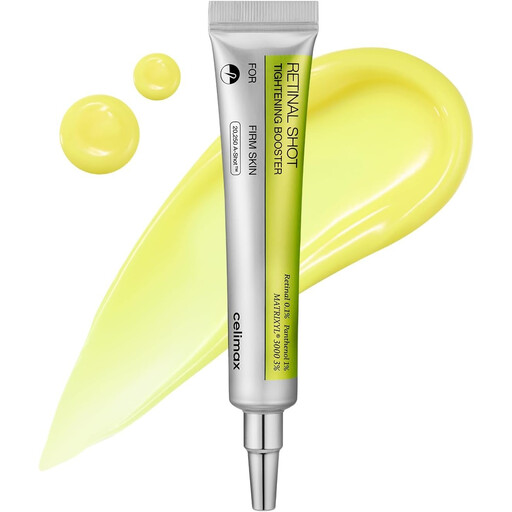
Why it suits this shopper: This product is aimed at people who want to use retinal deliberately to address skin texture and fine lines, and can stick to an evening routine.
The instructions recommend building up to using it every other evening and warn that it can increase sun sensitivity. This helps you avoid overuse.
Contains 0.1% retinal and 3% Matrixyl 3000 according to the product information; the bottle contains 15 ml.
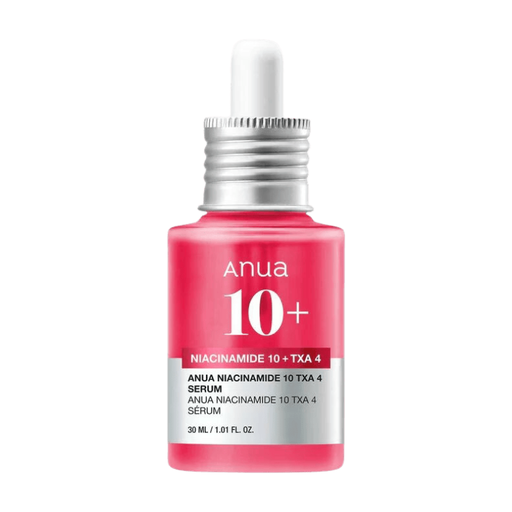
Why it suits this shopper: An option if you’re specifically looking for a serum for dark spots and uneven skin tone, with a lightweight gel texture.
The niacinamide and tranexamic acid percentages are clearly stated in the product name. This makes it easier to compare products, rather than relying on “brightening” claims alone.
30 ml, pump bottle and, according to the product details, fragrance-free, alcohol-free and suitable for a range of skin concerns.
We’ve put together a complete, up-to-date list of products that meet these strict selection criteria and current European safety requirements.
First, cleanse your face, then apply a few drops. Smooth the product over your skin without rubbing hard, and finish with a moisturiser. Use sun protection during the day. If you’re using an active serum, such as one with retinal or azelaic acid, start by using it infrequently and follow the instructions on the packaging.
Check the expiry date and the period-after-opening symbol on the packaging. A product with an open-jar symbol showing, for example, 12M is intended to be used within twelve months of opening. A change in smell, colour or texture may mean you should stop using the product. Store your serum in a cool, dry place, away from direct sunlight.
Sometimes, but introduce them one at a time. Don’t start using a vitamin C serum, exfoliating acid and retinal in the same routine all at once. A hydrating serum with panthenol or hyaluronic acid is generally easier to combine with other products, but always check the full ingredients list and stop using it if irritation occurs.
