
Vandaag of morgen in huis

Kwaliteit gegarandeerd

Welkomstaanbiedingen ontgrendelen: GRATIS bezorging | Tot 80% korting | Gratis 30 dagen JoyPlus-proefperiode
Download de app
A face serum often contains a higher concentration of active ingredients than a regular moisturiser. This makes it suitable for targeting specific concerns, such as dryness, visible dark spots, blemishes, redness or uneven skin texture. However, combining the wrong ingredients can leave your skin feeling tight or irritated, or result in a product that sits unused in your bathroom.
So, the right choice doesn’t start with a bold promise on the packaging. It starts with the formula, the instructions for use and what your skin needs.
A vitamin C serum with a high percentage or an exfoliating serum containing several acids might sound appealing. But the percentage alone doesn’t tell you how your skin will react. Sensitive skin may struggle with several active ingredients at once, while oilier or combination skin may benefit from a lightweight formula that targets pores and shine.
Pay attention to how ingredients are combined, too. Vitamin C, AHA, BHA, PHA, azelaic acid and retinoid-like ingredients should be introduced carefully. If you don’t yet know how your skin will react, avoid using several potent products at the same time.
Words such as “immediately visible”, “deep action” or “cell renewal” aren’t a substitute for specific information. It’s better to check:
A brand’s claims don’t guarantee results. If a brand cites results from its own research, read this as: according to the brand’s own research, under the conditions described.
A serum containing AHA, BHA, PHA, glycolic acid, lactic acid, salicylic acid, kojic acid or pure vitamin C can make your skin more sensitive to sunlight. Always follow the product instructions and use a broad-spectrum sunscreen during the day. Stop using the product if irritation persists, and ask a doctor or pharmacist for advice if you’re unsure.
Vitamin C, niacinamide, azelaic acid or kojic acid are often chosen for dark spots and an uneven skin tone. A serum for blemishes or a serum for acne-prone skin may contain niacinamide, salicylic acid, PHA or a combination of exfoliating ingredients.
For visible redness, a formula containing azelaic acid, panthenol, centella or allantoin may be worth considering. These ingredients don’t automatically make a product suitable for every sensitive skin type; the full formula and your personal tolerance are still important.
According to ANUA’s product information, an azelaic acid serum with 10% should be introduced gradually. For example, start with a small amount and use it less frequently, as directed on the label. An exfoliating serum containing PHA or AHA shouldn’t automatically be used every day either.
A hydrating serum containing glycerin, hyaluronic acid or panthenol can generally be easier to fit into your routine. Still, check whether the formula also contains fragrance, essential oils or other ingredients that may cause sensitivity.
A lightweight lotion or gel often works well under a day cream and sunscreen. A dispenser or tightly sealed bottle helps limit contact with air and fingers. Storage is particularly important for vitamin C: Some By Mi, for example, notes that pure vitamin C can oxidise over time and should be kept away from heat and light.
Compare the size, too: the products in this selection range from 20 to 50 ml. A larger bottle isn’t automatically better value if you won’t use the product before its stated expiry date.
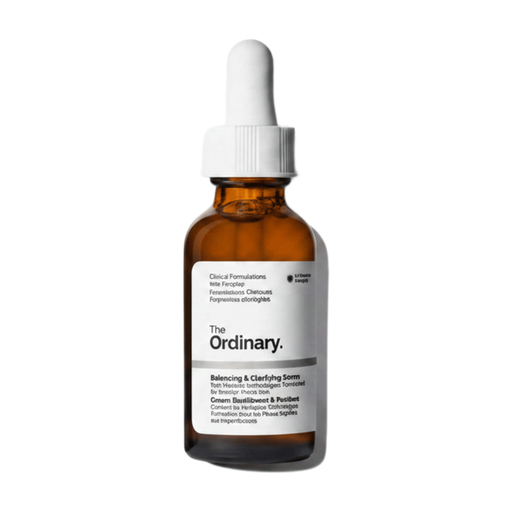
Why it suits this profile: The formula targets combination skin with shine, visible pores and blemishes. Apply a few drops in the morning and/or evening.
The product description names several specific concerns rather than making one broad promise: excess shine, texture and post-acne marks.
30 ml; suitable for all skin types according to the product information, and designed to hydrate and promote a more balanced-looking complexion.
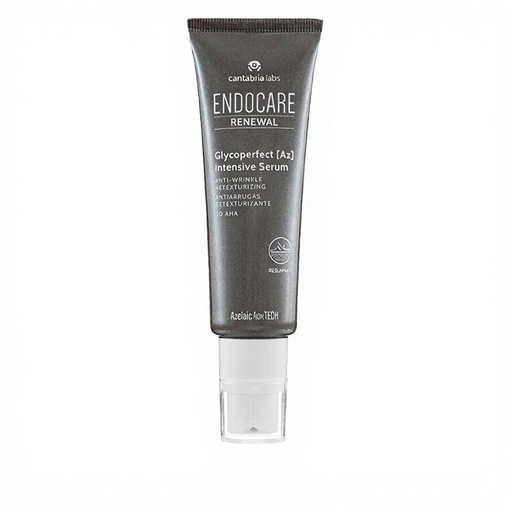
Why it suits this profile: According to the product information, this night serum is designed for normal or combination skin and combines glycolic acid with azelaic acid.
It’s clearly intended for night-time use. This helps prevent you from adding an acid-based formula to every routine without thinking it through.
50 ml, a non-comedogenic formula according to the product information, and dispenser packaging.
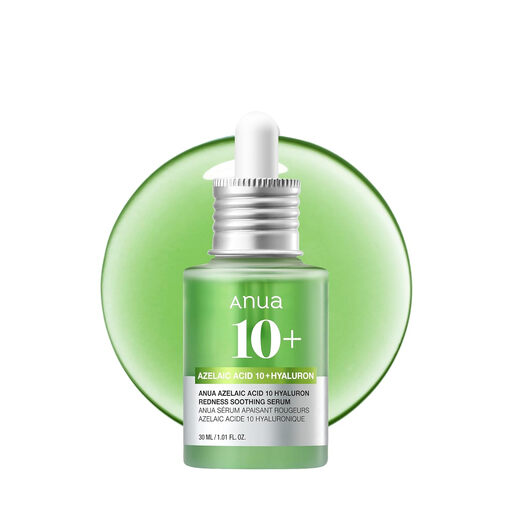
Why it suits this profile: This Korean face serum is designed for skin with visible redness and blemishes, and that needs lightweight hydration.
The instructions recommend introducing it gradually and doing a patch test. This means the frequency of use isn’t based on a blanket assumption.
The ingredient list includes 10% azelaic acid, hyaluronic acid, panthenol and ceramide NP; 30 ml.
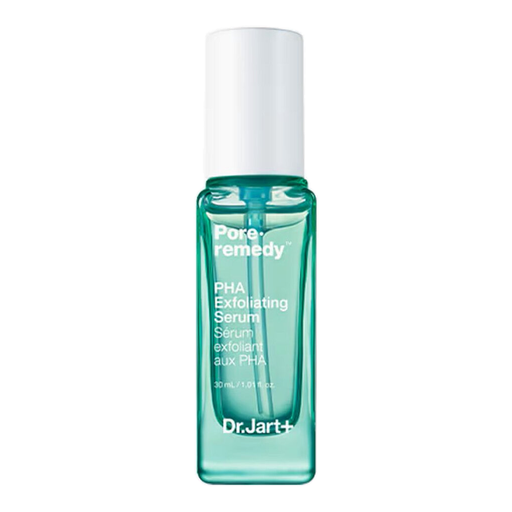
Why it suits this profile: According to the product information, the 7% PHA formula is designed to exfoliate, target excess sebum and reduce the appearance of pores.
The formula lists PHA as an exfoliant and advises you to stop using it if irritation occurs. The instructions are simple: shake and apply 2 to 3 pumps.
7% PHA, panthenol and sodium hyaluronate; according to the product specifications, it’s fragrance-free, alcohol-free and suitable for all skin types.
We’ve put together a complete, up-to-date list of products that meet these strict selection criteria and the applicable European safety regulations.
An anti-ageing serum containing peptides or hyaluronic acid can often fit into a hydrating evening routine. It’s best to use a serum containing AHA, BHA, PHA or glycolic acid according to a set schedule, with rest days in between. If you have sensitive skin, it’s a good idea to do a patch test.
It depends on the ingredient. A hydrating serum can often be used daily, while an exfoliating serum or one containing 10% azelaic acid should usually be introduced gradually. Always follow the packaging instructions and reduce how often you use it if irritation occurs.
You can use both in some routines, but you don’t need to apply them at the same time. Start with one product and check the ingredients list. If you have sensitive skin, you could use them at different times of day, for example vitamin C in the morning and niacinamide in the evening.
Check the expiry date, batch number and period after opening on the packaging. Store the product in a cool, dry place away from direct sunlight. According to the product information from some brands, vitamin C serum can oxidise over time. If its colour changes noticeably, its smell changes or its texture becomes unusual, stop using it.
