
Vandaag of morgen in huis

Kwaliteit gegarandeerd

Welkomstaanbiedingen ontgrendelen: GRATIS bezorging | Tot 80% korting | Gratis 30 dagen JoyPlus-proefperiode
Download de app
A face serum can be a targeted step in your skincare routine, but there’s a lot of choice. Looking for a hydrating serum, a vitamin C serum or a serum for sensitive skin? It can be tempting to go by terms such as “glow”, “glass skin” or “pore-refining”. However, these descriptions don’t always tell you whether a formula will suit your skin and routine.
A higher percentage of niacinamide, vitamin C or azelaic acid isn’t automatically right for every skin type. The overall formula, its acidity, other ingredients and how often you use it all matter too. A serum with several active ingredients may also feel too intense if you’re already using exfoliants or retinoids.
Brands sometimes describe results such as more even-looking skin, smaller pores or less visible fine lines. Treat these claims as information from the brand, rather than guaranteed results. A brand’s own research may have measured certain effects under specific conditions. So, pay particular attention to the ingredients list, directions for use and warnings.
An anti-acne serum, a serum for dark spots or an anti-ageing serum is a cosmetic product. It doesn’t replace treatment or personalised advice from a doctor or dermatologist.
Even a serum for sensitive skin may contain ingredients that don’t suit everyone. These include fragrance, essential oils, alcohol, salicylic acid, retinal or a high concentration of vitamin C. Test a new product on a small area of skin first, and introduce active formulas gradually.
Choose ingredients to suit your goal:
A K-beauty serum or product from Korean skincare may combine several of these ingredients. However, more ingredients don’t automatically make it a better choice.
Don’t rely on claims such as “hypoallergenic” or “dermatologically tested” alone. Check the full INCI list too. For example, a fragrance-free serum may still contain active acids. For its azelaic acid serum, Anua’s product information advises starting gradually and doing a patch test first. Use sun protection during the day when using active ingredients.
Ingredient lists for products on this page may change, so always check the packaging you receive. This is especially important for products whose online information says that the full ingredients list cannot be guaranteed.
A watery formula often works well under a moisturiser and sunscreen. A gel or lotion texture may feel more comfortable on combination skin. A richer formula with lipids and ceramides may be a better choice if your skin feels dry.
Also check:
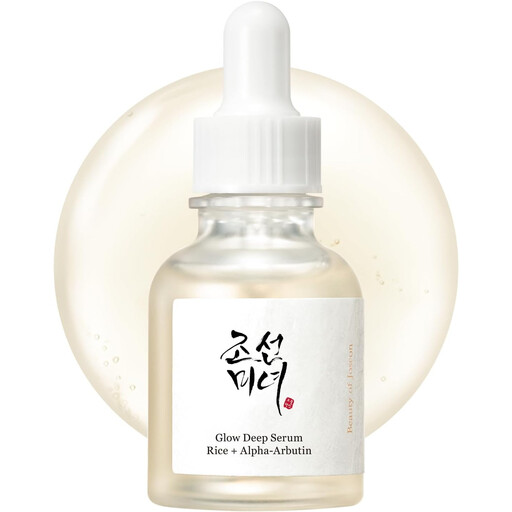
Why it suits this profile: The formula combines rice bran water, glycerine, 2% alpha-arbutin and niacinamide in a 30 ml product. It’s a straightforward option if you’re new to Korean skincare.
The active formula is clearly specified. You don’t have to rely solely on a general glow claim: the ingredients and concentration of alpha-arbutin are listed.
30 ml; fragrance-free according to the product information; contains glycerine, panthenol and trehalose for a moisturising feel on the skin.
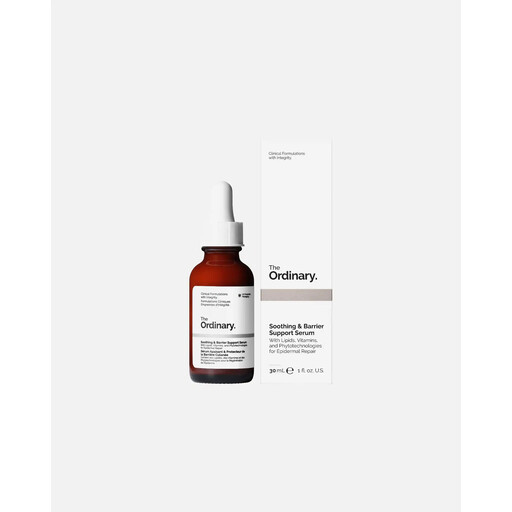
Why it suits this profile: According to the product information, this serum is designed to hydrate and support the skin barrier. Its ingredients include niacinamide, bisabolol, ceramide-like lipids and plant extracts.
The formula doesn’t rely on a single trending ingredient. The ingredients list shows a blend of humectants, lipids and soothing ingredients.
30 ml; fragrance-free and alcohol-free according to the product information; described as suitable for sensitive skin.
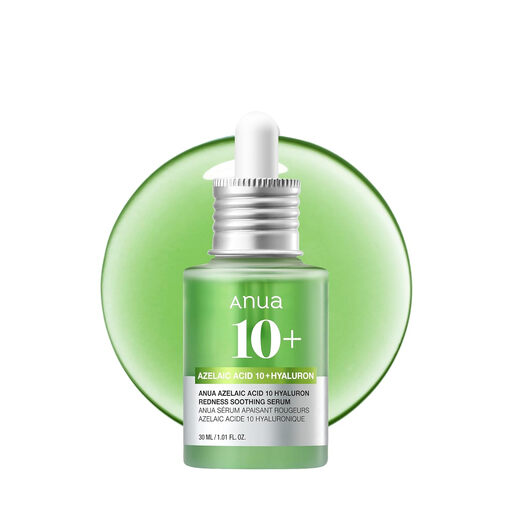
Why it suits this profile: The formula contains 10% azelaic acid, panthenol, betaine, hyaluronic acid, centella and ceramide NP. The directions support a gradual approach to building your routine.
The product information specifically recommends introducing it gradually and doing a patch test, and mentions that dryness or pilling may occur. This can help you avoid overuse.
10% azelaic acid; contains panthenol, squalane and ceramide NP; suggested starting point is once or twice a week.
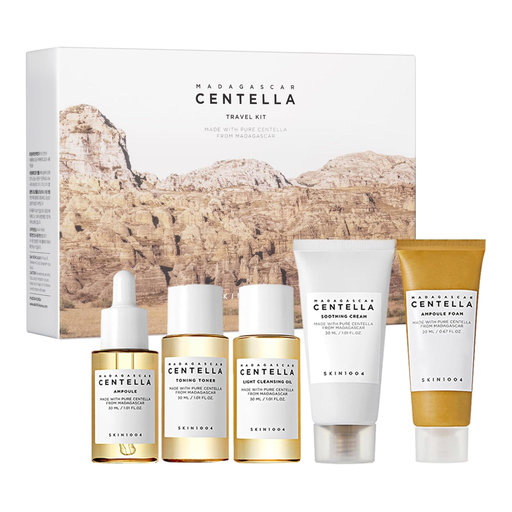
Why it suits this profile: This set contains five steps, including a toner, ampoule and soothing cream. It’s a practical way to try several products in one routine before buying larger sizes.
The set gives you a clear order to follow: cleanse, tone, apply the ampoule and finish with cream. This helps you avoid buying several separate serums at once.
Five products; the listed formulas contain centella asiatica, glycerine and hyaluronic acid; 450 ml in total according to the product information.
We’ve put together a complete, up-to-date list of products that meet these strict selection criteria and current European safety requirements.
Don’t combine several active products without planning ahead, such as a vitamin C serum, salicylic acid, azelaic acid and retinal. It’s better to alternate them and give your skin time to get used to each product.
A serum is usually applied after cleansing and before moisturiser. Always follow the specific instructions on the packaging. Some formulas are intended for evening use, while others can be used both morning and evening.
This varies by formula and packaging. Check the expiry date, the period after opening and the storage advice. In general, store a serum somewhere cool and dry, away from direct sunlight. A change in smell, colour or texture may be a reason to stop using the product.
Look for a simple formula with hydrating and barrier-supporting ingredients, such as glycerine, panthenol, hyaluronic acid and ceramides. At first, avoid using several strong active ingredients at once, and do a patch test.
