
Vandaag of morgen in huis

Kwaliteit gegarandeerd

Welkomstaanbiedingen ontgrendelen: GRATIS bezorging | Tot 80% korting | Gratis 30 dagen JoyPlus-proefperiode
Download de app
A face serum can be a useful addition to your daily skincare routine, but a pretty label doesn't tell you everything. If you focus mainly on terms like "glow", "lifting" or "intensive repair", you could easily end up buying a product that doesn't suit your skin or meet your expectations.
Instead, pay close attention to the ingredients list, the usage instructions and the texture. That way, you can avoid using several serums at once, causing irritation, or paying for a formula you barely use.
A vitamin C serum with a high percentage, or a serum for dark spots containing multiple active ingredients, might look appealing. However, a potent formula can be less suitable for sensitive skin. For example, the ANUA Azelaic Acid 10 Hyaluron Redness Soothing Serum advises you to start slowly, using it just once or twice a week. The product information also warns of potential dryness or irritation.
So don't just look at the percentage; also consider the recommended build-up of use.
A hydrating serum might mainly contain water-binding ingredients like glycerine or hyaluronic acid. That isn't always enough if your skin also feels dry due to a weakened moisture barrier. You'll often still need a moisturiser on top to lock in hydration.
Also, pay attention to the texture. A light lotion might work better under sunscreen or make-up, whereas a richer essence can feel more comfortable on dry skin.
Terms like "anti-ageing serum", "radiance-boosting serum" and "repairing" are no guarantee of a specific result. According to brands' own product information, ingredients such as retinal, niacinamide, alpha-arbutin or vitamin C can contribute to a more even-looking complexion. However, results vary from person to person.
Always check the current INCI list on the packaging. Formulas can change, and the packaging is the most up-to-date source.
Identify one main concern before buying a skincare serum:
A percentage is only useful when you know which ingredient it refers to and how often you can use the product. For instance, Beauty Of Joseon Glow Deep Serum states 2% alpha-arbutin and also contains rice bran water, glycerine, niacinamide and panthenol. The usage instructions recommend applying it in the evening, followed by a moisturiser.
With a vitamin C serum, you also need to consider the form of vitamin C. Dr. Althea Vitamin C Boosting Serum contains 3-O-Ethyl Ascorbic Acid and ascorbic acid, among others. OGB Vitamin C Glow Serum lists 15% vitamin C in the product description. These products are therefore not directly comparable based on the word "vitamin C" alone.
A serum in a dropper bottle requires hygienic use: don't touch the pipette directly to your skin, and close the bottle after use. Store active formulas away from direct sunlight and check the shelf-life information on the packaging.
If you're sensitive to fragrance, it's better to choose a fragrance-free formula. When trying a new serum, do a patch test on a small area of skin first. Stop if you experience persistent redness, itching, swelling or a burning sensation, and seek advice from a doctor or pharmacist if needed.
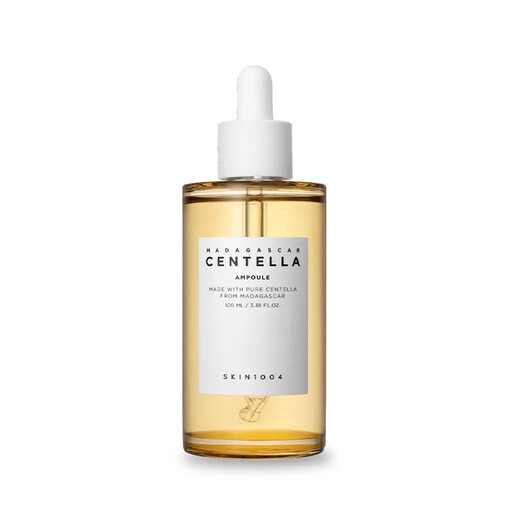
Why this suits the profile: The generous 100 ml size is practical when you want a simple hydrating serum for daily use without combining multiple active ingredients.
The formula is described as 100% Centella Asiatica extract, without a long list of competing active ingredients. This keeps your routine straightforward.
100 ml size; light ampoule texture; designed as a hydrating and soothing skincare step according to the product description.
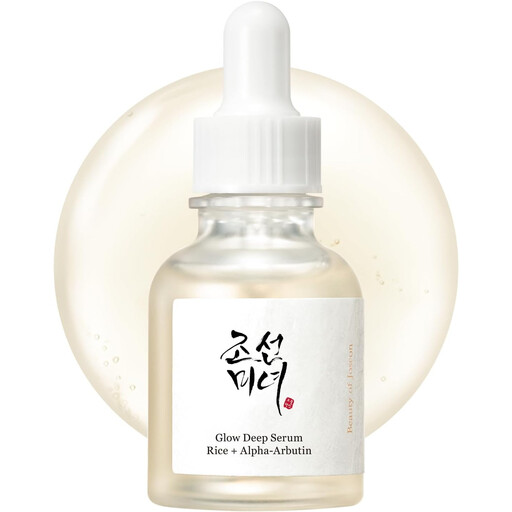
Why this suits the profile: This Korean face serum is ideal for anyone specifically looking for care for a dull complexion or visible pigmentation, and who wants to compare the INCI list beforehand.
The product information lists specific ingredients and the 2% alpha-arbutin content, rather than just a vague glow claim.
30 ml; alpha-arbutin, niacinamide and panthenol; according to the product information, it is alcohol-free and fragrance-free.
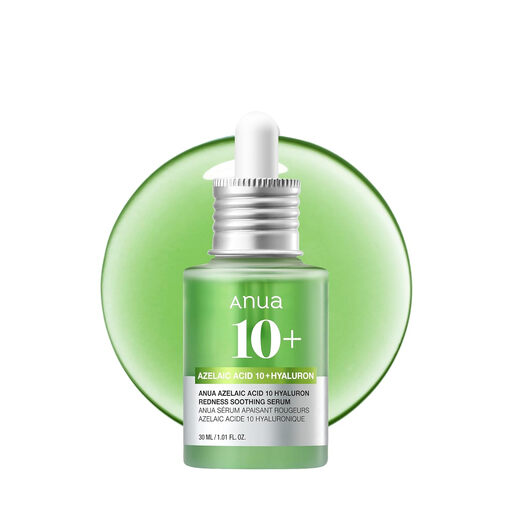
Why this suits the profile: A good choice for anyone specifically looking for a serum to target redness or a formula with azelaic acid, and who is prepared to build up usage gradually.
The usage instructions mention a gradual build-up and warn about dryness. This makes it clear that this isn't a formula to apply generously straight away.
10% azelaic acid; hyaluronic acid, panthenol and ceramide NP; clear instructions for daytime use with sunscreen.
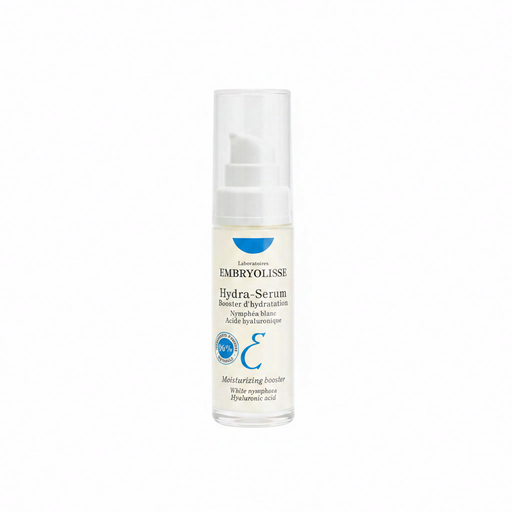
Why this suits the profile: The light lotion texture and focus on hydration suit anyone who wants a straightforward morning or evening routine without strong exfoliating actives.
The product description focuses on moisture and texture, so you don't need to combine it with several targeted serums.
Hyaluronic acid and white water lily; 30 ml; according to the product information, suitable for all skin types and dermatologically tested.
We've put together a full, up-to-date list of products that fully meet these strict selection criteria and comply with current European safety regulations.
Don't introduce several new products at once. Add one formula and observe how your skin reacts. A serum for sensitive skin isn't automatically suitable if you're allergic to a specific ingredient.
That depends on the formula. A hydrating serum can often be used daily, whereas azelaic acid, retinal or exfoliating ingredients are better introduced slowly. Follow the product packaging and reduce the frequency if irritation occurs.
This is possible with many modern formulas, but check the full ingredients list and your skin's reaction. It's best to start with one product at a time. Use sunscreen during the day; vitamin C does not replace sun protection.
Check the expiry date, the symbol for the period after opening and the storage instructions on the packaging. Close the bottle properly and store it away from direct sunlight. A change in smell, colour or texture could be a reason to stop using the product.
