
Vandaag of morgen in huis

Kwaliteit gegarandeerd

Welkomstaanbiedingen ontgrendelen: GRATIS bezorging | Tot 80% korting | Gratis 30 dagen JoyPlus-proefperiode
Download de app
A face serum can be a handy addition to your daily skincare routine. The lightweight formula often contains a higher concentration of certain ingredients than a standard moisturiser. However, not every serum is suitable for every skin type. A shiny package, terms like “glass skin” and impressive ingredient lists don’t tell you much about how well a product will fit into your routine.
Instead, focus on your skin’s needs, the full ingredient list and the usage instructions. This way, you can avoid buying multiple serums that do the same thing, or using a concentrated product that unnecessarily stresses your skin.
Brands use terms like “pore-refining”, “lifting” or “restorative”. These are often descriptions from the product presentation and not a guarantee of individual results. According to the product description of SKIN1004, the Poremizing Fresh Ampoule is developed for a less visible appearance of pores and fresh hydration. That doesn’t mean pores literally disappear.
So, look at verifiable features instead, such as:
A niacinamide serum, azelaic acid serum and an exfoliating AHA/BHA/PHA serum can each have a different function. However, using them together in one routine can be too intense, especially for sensitive skin. Start with one new product and only add another later.
A higher percentage isn’t automatically more suitable. A formula with 10% niacinamide or azelaic acid requires gradual introduction. The SKIN1004 Niacinamide 10% Boosting Shot Ampoule, for example, mentions patch testing and a starting frequency of two to three times per week. Follow such instructions rather than applying several drops daily straight away.
A face serum works most logically when it addresses one clear priority:
A product may be suitable for a certain skin type according to the manufacturer, but still not suit everyone. Some By Mi AHA.BHA.PHA 30 Days Miracle Serum contains, according to the ingredient list, multiple acids, alcohol and various essential oils. The product warning advises a patch test and sun protection during use.
Even a serum for sensitive skin should be tested on a small area first. Stop if you experience persistent redness, itching, swelling or a burning sensation, and follow medical advice if necessary.
A 30 ml bottle is standard for a concentrated serum; some ampoules contain 40, 50 or 100 ml. A larger package is only worthwhile if you like the formula and can use it before the expiry date.
Apply a serum usually after cleansing and possibly a toner, followed by a moisturiser. Use a sunscreen during the day if the packaging advises it, especially with formulas containing exfoliating acids.
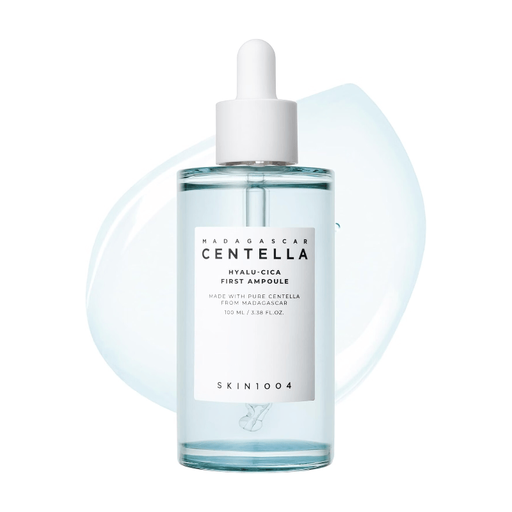
Why this profile fits: The 100 ml packaging and lightweight formula are practical for anyone looking for a daily serum without combining multiple active products straight away.
The ingredient list mentions centella, glycerine, niacinamide and various forms of hyaluronic acid. Always check the current packaging though.
100 ml volume, watery ampoule texture and hyaluronic acid variants according to the product information.
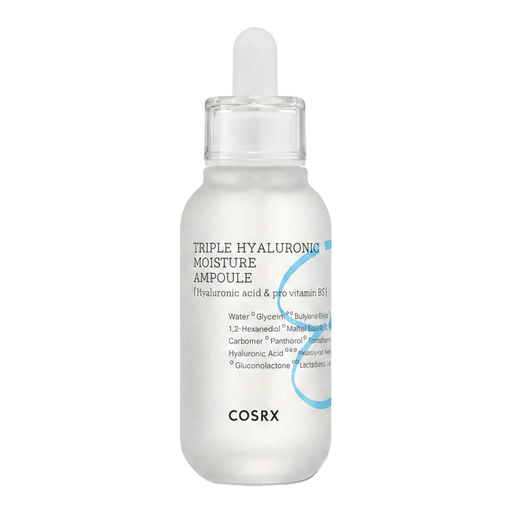
Why this profile fits: Suitable for users who see hydration as their main need and want a simple Korean face serum for morning and evening use.
The product description mentions three types of hyaluronic acid. This allows you to assess the composition more concretely than just relying on the term “intense hydration”.
40 ml volume and usage advice of two to three drops after cleansing and toning.
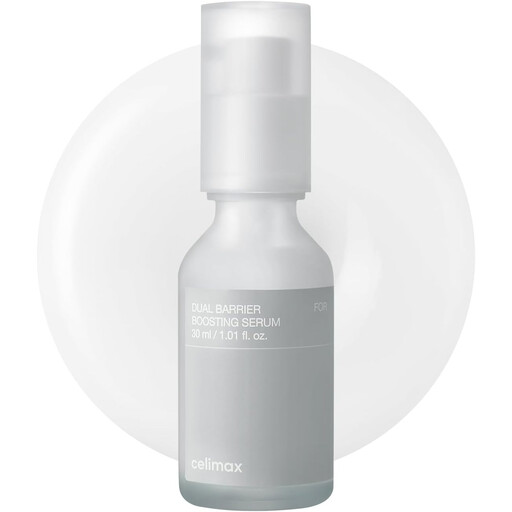
Why this profile fits: The product information focuses on dry, sensitive and redness-prone skin that needs a more comfortable skincare product.
The formula lists five ceramides and is, according to the product description, dermatologically tested. Still test the serum on a small skin area first.
Targeted barrier care, with ceramides and a 30 ml volume.
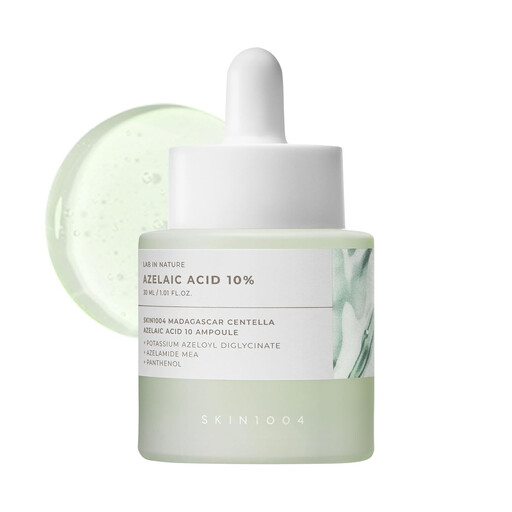
Why this profile fits: This formula is intended for users looking for an azelaic acid serum without niacinamide, for skin that quickly looks unsettled or shiny.
The product information advises starting with once or twice a week and building up gradually. This prevents applying too much too quickly.
10% azelaic acid, centella asiatica and a formula without niacinamide according to the product description.
Browse a current selection of serums that suit different skin types and hydration needs.
Use the serum generally after cleansing and before a moisturiser. Apply a small amount to dry or slightly damp skin, depending on the product instructions. If you use multiple serums, don’t add them all at once. Start with one formula and see how your skin reacts.
Check the expiry date and batch number on the packaging. Store the bottle in a cool, dry place, away from direct sunlight and high temperatures. Close the lid or pipette properly after use. The shelf life after opening can vary per product; follow the symbol and information on the packaging.
That depends on the ingredients. A simple hydrating serum with hyaluronic acid is often offered for morning and evening use. A formula with acids, 10% azelaic acid, micro-spicules or a high percentage of niacinamide should be introduced gradually. Use sun protection during the day if stated in the warnings or usage instructions.
