
Vandaag of morgen in huis

Kwaliteit gegarandeerd

Welkomstaanbiedingen ontgrendelen: GRATIS bezorging | Tot 80% korting | Gratis 30 dagen JoyPlus-proefperiode
Download de app
A face serum can be a useful addition to your daily routine, but a higher concentration or a bold promise doesn't automatically mean a product is right for your skin. If you're mainly drawn to terms like "glow", "intensive repair" or "instant results", you risk buying several bottles without a clear routine.
The most common pitfalls:
Decide on one primary priority. For a dull or uneven complexion, you could look for a brightening serum, a vitamin C serum or a serum with alpha-arbutin. If you're particularly keen to tackle visible dark spots, consider a serum for pigmentation or a serum for dark spots. Always check whether the claim is about reducing visibility, not about treating a medical condition.
For a tight, uncomfortable feeling, glycerin, panthenol, betaine and hyaluronic acid are relevant ingredients in a hydrating serum. For sensitive skin, a short ingredient list is often easier to navigate. Centella asiatica is common in a serum for sensitive skin and in a centella ampoule. However, the presence of an ingredient alone doesn't tell you how your own skin will react.
A percentage is only meaningful when you know which ingredient it refers to. For example, The Ordinary Alpha Arbutin 2% + HA contains 2% alpha-arbutin and sodium hyaluronate. The Ordinary Niacinamide 10% + Zinc 1% uses a higher niacinamide concentration and, according to the product description, is intended for the visibility of blemishes and excess sebum production.
Also, watch out for potential points of concern:
When trying a new product, always do a patch test first and stop if irritation persists. Only use cosmetics in the way stated on the packaging.
A watery serum usually absorbs quickly and can be pleasant under sunscreen or make-up. A richer formula with oils, silicones or several hydrating ingredients may be better suited to dry skin, but can feel heavier.
Also consider the volume:
A Korean skincare serum routine doesn't have to involve many steps. For many users, cleansing, serum, moisturiser and sunscreen during the day is more straightforward than using several highly active formulas at once.
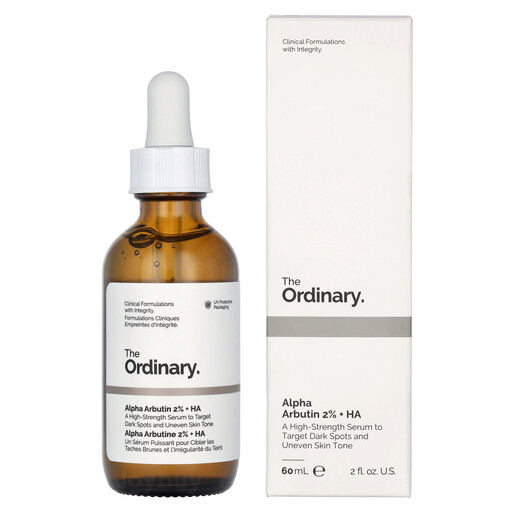
Why this suits the profile: The water-based formula, 60 ml volume and two clearly named main ingredients make this a straightforward choice for anyone starting out with a serum for pigmentation.
The product information states 2% alpha-arbutin and hyaluronic acid, so you're not relying solely on a general brightening claim.
60 ml; lightweight formula; contains 2% alpha-arbutin and sodium hyaluronate; according to the product information, suitable for all skin types.
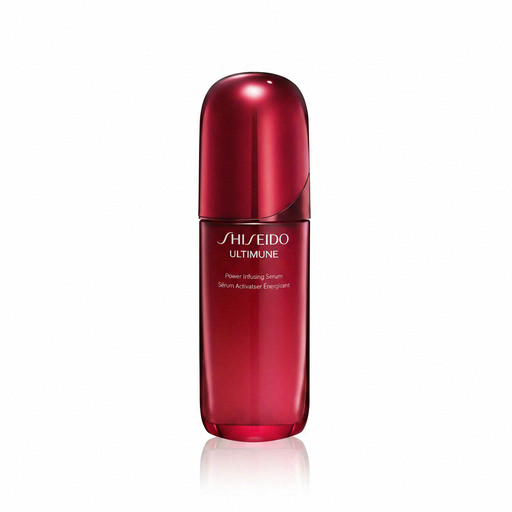
Why this suits the profile: The generous 75 ml volume suits users looking for a staple in their morning and evening routine who value a luxurious serum texture.
The choice isn't just about claims: you can check the product variant, volume, manufacturer details and usage instructions beforehand.
75 ml; intended for face and neck; lightweight, fast-absorbing formula according to the product description.
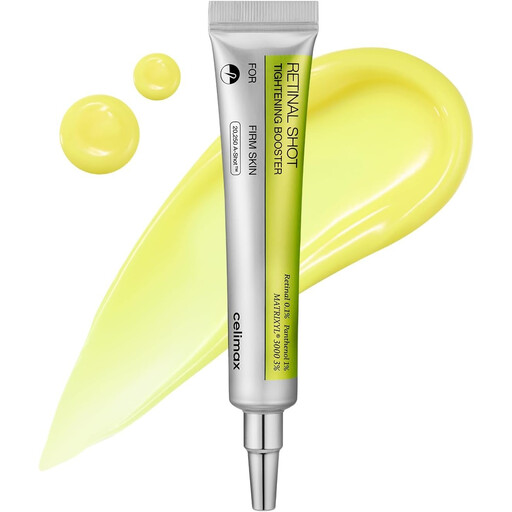
Why this suits the profile: This product is aimed at users who are specifically looking for an anti-ageing serum with retinal and are willing to follow the build-up instructions carefully.
The instructions mention 0.1% retinal, evening use only, starting every other night and using daily sunscreen. This makes the usage boundaries much clearer.
0.1% pure retinal; 15 ml; according to the product information, also contains Matrixyl 3000; clear build-up guidance for new users.
We've put together a full, up-to-date list of products that fully meet these strict selection criteria and comply with current European safety regulations.
A vitamin C serum, for example, may be better suited to the morning, while a retinal formula may be intended for the evening. The Ordinary also notes that niacinamide should be used alternately with certain vitamin C formulas. Always check the specific instructions for your product.
Look for a simple formula with hydrating or soothing ingredients, such as hyaluronic acid, panthenol or centella asiatica. A centella ampoule like the SKIN1004 Madagascar Centella Ampoule is, according to the product description, focused on hydration and a comfortable skin feel. Patch testing is still advisable.
Check the expiry date, batch information and period after opening on the packaging. A product marked 12M, for example, can generally be used for up to twelve months after opening, as long as it has been stored correctly and the smell, colour or texture haven't noticeably changed. Always follow the label.
Sometimes you can, but start slowly. Don't combine several strong active ingredients straight away. A hydrating serum can often be used more easily alongside a targeted brightening serum, whereas retinal, vitamin C and niacinamide require extra attention to order and timing of use. If you have persistent skin concerns, consult a doctor or pharmacist.
