
Vandaag of morgen in huis

Kwaliteit gegarandeerd

Welkomstaanbiedingen ontgrendelen: GRATIS bezorging | Tot 80% korting | Gratis 30 dagen JoyPlus-proefperiode
Download de app
A face serum can be a useful addition to your daily skincare routine, but the sheer choice makes it hard to pick the right one. One box promises a radiant glow, another targets fine lines, dark spots or pores. Bold claims don’t mean much if the formula doesn’t suit your skin type and how you plan to use it.
As a Joybuy Product Recommendation Officer, I look first at what you can verify: the serum’s purpose, the ingredient list, the volume, and the directions for use. That way, you avoid paying mainly for marketing.
A niacinamide serum, a hyaluronic acid serum and a dark-spot serum don’t automatically do the same job. A product that promises hydration, firmness, pores and an even tone all at once may sound appealing, but always check which ingredients are actually listed.
Also note the difference between a product description and proven results. Phrases like "helps skin look more radiant" describe a cosmetic aim, not a guaranteed outcome.
Seeing hyaluronic acid, niacinamide or alpha-arbutin on the label doesn’t tell you how much is in the formula. For example, Beauty Of Joseon Glow Deep Serum lists 2% alpha-arbutin. Glow Serum Propolis Niacinamide specifies 2% niacinamide and 60% propolis extract. This kind of information is easier to verify than a vague term like "intensive".
A long ingredient list isn’t automatically a plus. Check whether the formula matches your needs and whether you want to avoid known irritants, fragrance or alcohol.
A serum usually doesn’t replace a face cream. After a thin layer of serum, you’d typically use a moisturiser, such as a face cream, a day cream with SPF or a night cream. During the day, sun protection matters, especially when you use a serum that, according to the product information, targets an even tone or radiance.
Avoid introducing lots of new products at once. It makes it easier to tell which formula feels comfortable and which might cause irritation.
Dry skin may benefit from hydrating ingredients such as glycerine, betaine, panthenol, sodium hyaluronate or other humectants. A hydrating serum often has a light, watery or gel-like texture. Oily or combination skin may prefer a fast-absorbing formula without a heavy or greasy feel.
If you have sensitive skin, a short ingredient list, a fragrance-free formula and a gentle introduction are practical considerations. "Dermatologically tested" is a product claim; it doesn’t mean every user will tolerate the product without a reaction.
Choose based on one main priority:
A 30 ml bottle is common, but pipette dosing varies by product. Check the packaging for shelf life, batch information and the period after opening. For many serums, the product information advises application to cleansed skin, followed by a moisturiser.
If you have sensitive skin, patch test a small amount on a limited area first. Stop if redness, itching or a burning sensation persists, and follow the safety information on the packaging.
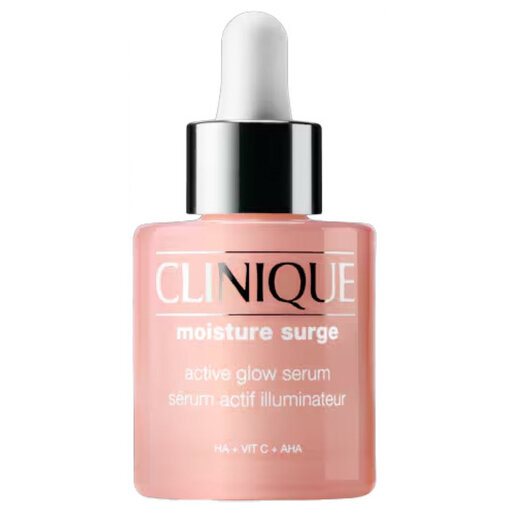
Why this suits the profile: The product description mentions a lightweight formula for all skin types, with hyaluronic acid and antioxidants. The serum is intended for daily use morning and evening.
The primary purpose is clearly defined: hydration and luminosity. You don’t end up paying for a vague list of unrelated functions.
30 ml volume; fragrance-free and non-comedogenic formula according to the product specifications.
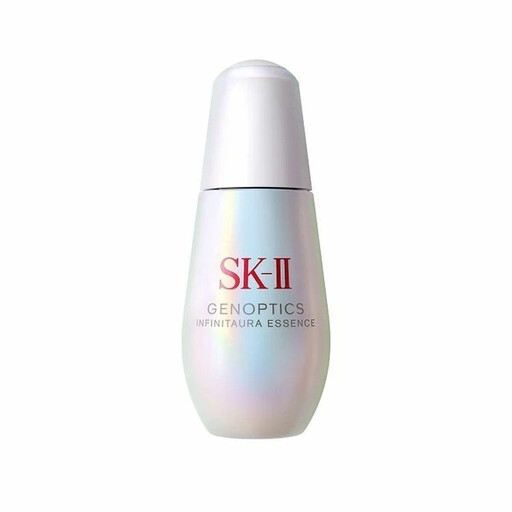
Why this suits the profile: This 50 ml serum focuses on radiance and an even tone. According to the brand’s product description, the formula contains PITERA, niacinamide and bisabolol.
The product information states the type of serum, the volume and the named ingredients, so you don’t have to base your choice on the packaging alone.
50 ml volume; a light texture that, according to the product description, can be used under a moisturiser.
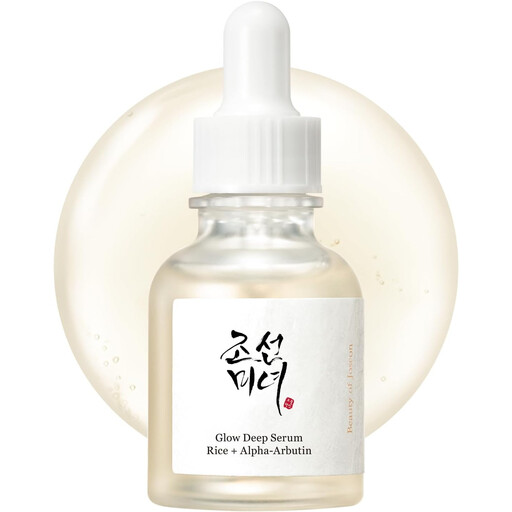
Why this suits the profile: This Korean skincare serum is intended for dull skin and an uneven tone. The ingredient list mentions rice water, 2% alpha-arbutin and niacinamide.
The stated concentration of alpha-arbutin makes the purpose more concrete than a general "glow" claim. Use a day cream with SPF during the day.
30 ml; vegan, alcohol-free and fragrance-free according to the product specifications.
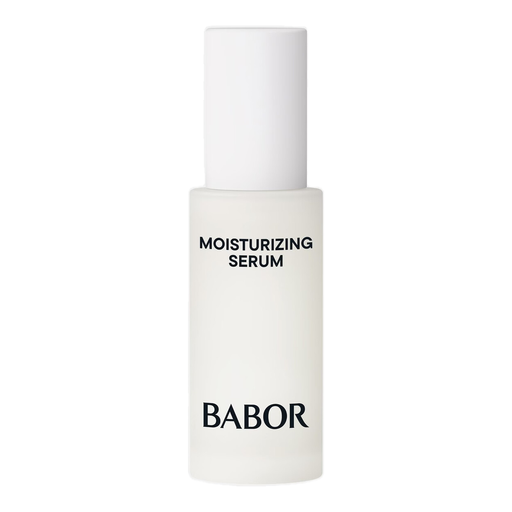
Why this suits the profile: The product information targets dry skin and that tight feeling from dehydration. The formula includes glycerine, panthenol, sodium hyaluronate and urea.
The serum has a clearly defined hydrating aim. Do note the presence of alcohol denat. and fragrance in the ingredient list if your skin is sensitive to them.
30 ml; intended for morning and evening use according to the product description.
We’ve put together a complete, up-to-date list of products that fully meet these strict selection criteria and current European safety regulations.
Start with one serum and give your skin time to adjust to the routine. Don’t combine active formulas without checking the directions for use.
You’ll usually use a serum after cleansing and before a moisturiser. The exact order can differ per product, so always check the label—especially with Korean skincare routines that include toner, essence and multiple serums.
That depends on the volume and how much you use. A 30 ml bottle will generally last longer with daily use than a small 7 ml trial size, but usage varies by pump or pipette. After opening, note the period-after-opening symbol on the packaging.
Yes, that’s a common pairing. Let the serum absorb briefly, then apply face cream. During the day, a day cream with SPF or separate sun protection is a practical addition. If you have sensitive skin, check that the products feel comfortable together.
