
Vandaag of morgen in huis

Kwaliteit gegarandeerd

Welkomstaanbiedingen ontgrendelen: GRATIS bezorging | Tot 80% korting | Gratis 30 dagen JoyPlus-proefperiode
Download de app
A face serum can be a useful addition to your daily skincare routine, but not every serum suits every skin type. Are you mainly looking for hydration, a more even complexion, less visible pores or support for fine lines? It’s more important to look at the formula and usage instructions than at big promises on the packaging.
As a Joybuy Product Recommendation Officer, I filter product information for practical details. This helps you avoid paying for a trendy ingredient that doesn’t suit your skin type or routine.
A vitamin C serum with 12% ascorbic acid sounds clear-cut, but skin tolerance, acidity, packaging and how it works with other ingredients all affect how comfortable the product feels on your skin. A niacinamide serum with 10% isn’t automatically more suitable than one with a lower concentration either.
Also be wary of claims such as “works deep within the skin” or “stimulates collagen”. A brand may make these claims based on its own research or product description, but they don’t guarantee the same results for every user.
Using a retinol serum, vitamin C serum and exfoliating product in the same routine can leave your skin feeling uncomfortable. Layering isn’t always practical, especially if you have sensitive or dry skin.
Start with one active product. Use it as directed on the label, and only add a second product later if your skin tolerates it well.
A serum for all skin types may have a light texture but still contain fragrance, alcohol, retinol or other ingredients that not everyone finds comfortable. Always check the full ingredients list and any warnings.
It’s a good idea to patch test on a small area of skin, especially if your skin is sensitive. Stop using the product if redness, itching or irritation persists.
A retinol serum or retinal product is usually intended for evening use. According to its product description, celimax The Vita-A Retinal Shot contains 0.1% retinal and should initially be used every other evening. The packaging for the retinol version of celimax recommends starting with twice-weekly use.
Use a product with sun protection during the day when using retinoids. Don’t introduce several new active ingredients at once.
Sizes vary widely, from 15 ml for a concentrated product to 150 ml for a booster. A larger bottle isn’t automatically better value if you hardly use the product or the formula oxidises quickly.
Check:
Capsule packaging, as used for Roc Retinol Correxion Night Serum, can be handy for providing a set dose each time. However, it gives you less flexibility to adjust the amount.
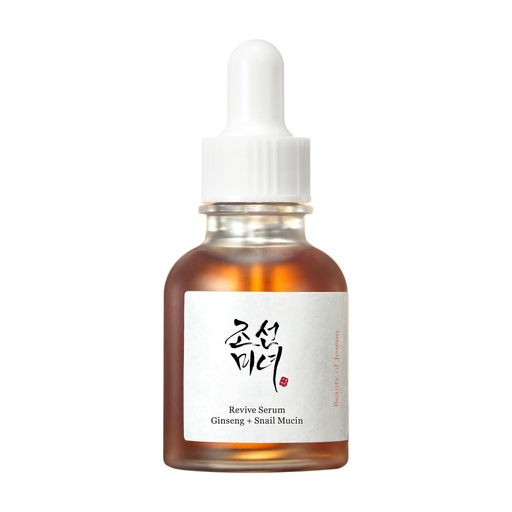
Why it suits this profile: The gel texture and pump bottle make this Korean face serum easy to dispense as part of a simple skincare routine. According to the product specifications, it’s intended for dry, normal and combination skin.
The ingredients list and usage instructions are clearly stated. You don’t need to combine several potent active ingredients to start hydrating your skin.
30 ml, with glycerin, niacinamide, sodium hyaluronate and ginseng root water according to the listed ingredients.
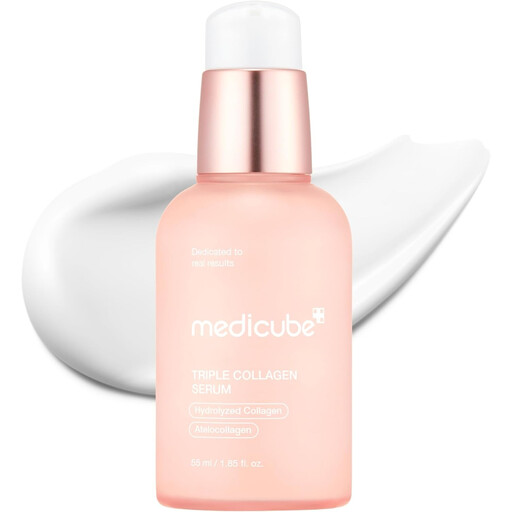
Why it suits this profile: If you’re looking for a larger bottle and a light, nourishing texture, this formula contains several forms of collagen and hyaluronic acid. The product description also mentions niacinamide.
The choice is based on verifiable details such as the 55 ml size and listed ingredients. However, bear in mind that the formula contains alcohol denat. and fragrance.
55 ml, with hydrolyzed, soluble and atelocollagen, plus various forms of hyaluronic acid according to the product information.
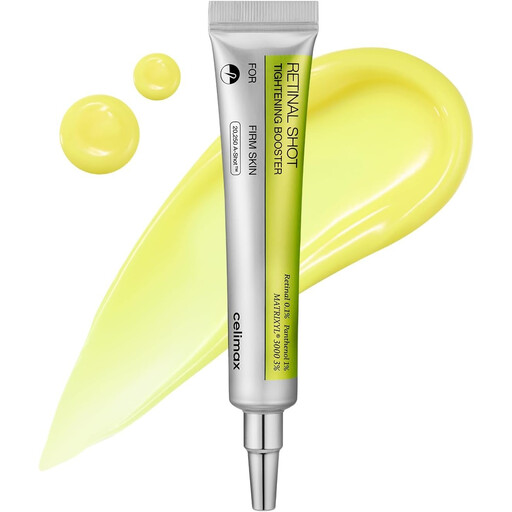
Why it suits this profile: This product is aimed at users who want to add retinal to their evening routine to target skin texture, fine lines and visible pores.
The label gives a clear plan for building up use: every other evening for the first two weeks. So there’s no need to start with daily use.
15 ml, 0.1% pure retinal and 3% Matrixyl 3000 according to the product description; intended for evening use.
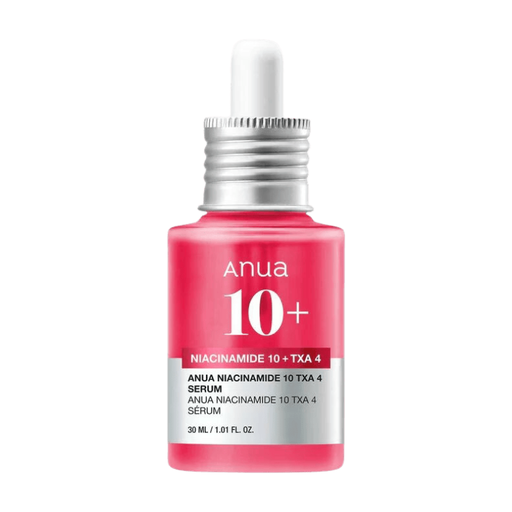
Why it suits this profile: This serum is intended for anyone specifically looking for niacinamide and tranexamic acid to address an uneven complexion or visible dark spots.
The concentrations of niacinamide and TXA are stated. According to the product specifications, the formula is free from alcohol, oil and fragrance, but a patch test is still a good idea.
30 ml, with 10% niacinamide, 4% tranexamic acid, alpha-arbutin and several forms of hyaluronic acid according to the ingredients list.
We’ve put together a complete, up-to-date list of products that meet these strict selection criteria and comply with the applicable European safety regulations.
A hydrating serum can often be used in the morning and evening. It’s best to introduce a retinol serum gradually. A vitamin C serum is often used in the morning, but always follow the specific instructions on the packaging.
Apply a serum after cleansing and toning if you use a toner, but before your moisturiser. Its light texture is usually designed to be used as an intermediate step. If you use several serums, apply the thinnest formula first, but limit the number of active ingredients if you have sensitive skin.
It varies by product. Check the period after opening, use-by date and packaging. Store the serum in a cool, dry place away from direct sunlight, and close the bottle securely after use. Products containing vitamin C, retinol or retinal need extra protection from light and air.
No. Start by looking at the ingredients, concentration, size and directions for use. An affordable serum with glycerin, niacinamide or hyaluronic acid may suit your routine better than an expensive product with lots of marketing claims. Above all, choose a formula you can use consistently and as directed on the label.
