
Vandaag of morgen in huis

Kwaliteit gegarandeerd

Welkomstaanbiedingen ontgrendelen: GRATIS bezorging | Tot 80% korting | Gratis 30 dagen JoyPlus-proefperiode
Download de app
A face serum can be a targeted addition to your daily skincare routine. However, it’s not wise to rely solely on terms like “glow”, “intensive repair” or “instant rejuvenation”. The right choice depends mainly on the ingredients, concentration, usage instructions and your skin type.
Whether you’re looking for a serum for face, a hydrating serum, niacinamide serum or Korean skincare serum: first, watch out for these common pitfalls.
A product with many ingredients isn’t automatically more suitable. Look at the first ingredients on the INCI list. These are typically present in the highest concentration. For hydration, relevant ingredients include glycerine, panthenol, beta-glucan and hyaluronic acid. With a niacinamide serum, niacinamide is often clearly listed near the beginning.
An extensive list can also combine several active ingredients. That sounds appealing, but it may be less practical for sensitive skin. It’s best to start with one new serum at a time.
A higher concentration doesn’t mean you’ll see results faster or that the product is better suited to you. A formula with 10% niacinamide, such as The Ordinary Niacinamide 10% + Zinc 1%, requires a gentle introduction if your skin isn’t used to niacinamide yet.
Retinoids, acids and vitamin C can also cause irritation. Use a product according to the label and stop if you experience persistent redness, itching, swelling or a burning sensation.
A hyaluronic acid serum can bind moisture to the skin, but a serum doesn’t always replace a moisturiser. Apply a hydrating serum to slightly damp skin and finish with a cream if your skin needs it. Use a sunscreen during the day, especially with formulas containing retinal, vitamin C or exfoliating ingredients.
Alongside the percentage of active ingredients, also check the volume. Many serums contain 30 ml, while some ampoules contain 50 or 100 ml. A larger pack is only better value if you can use it up within the recommended period after opening.
Check the expiry date and the period after opening on the packaging. The Ordinary, for example, states a usage period of 12 months after opening. Store serums according to the label, usually tightly closed and away from direct sunlight.
Not every combination is advisable. The Ordinary advises against using the niacinamide 10% formula at the same time as topical vitamin C based on L-ascorbic acid or ethylated ascorbic acid; it’s better to alternate these products.
Retinal products are intended for evening use. The product information from celimax advises starting with every other evening and reducing the frequency if irritation occurs. Use sun protection the following morning. Don’t combine several strong active formulas when starting your routine.

Why this fits the profile: The formula contains two clearly named main ingredients and a volume of 30 ml. This makes it straightforward for anyone looking for a first niacinamide serum.
The concentration and INCI are explicitly stated. This means you don’t have to rely on vague terms like “balancing” without product specification.
10% niacinamide, 1% zinc and a unisex formula. Use vitamin C at a different time according to the product instructions.
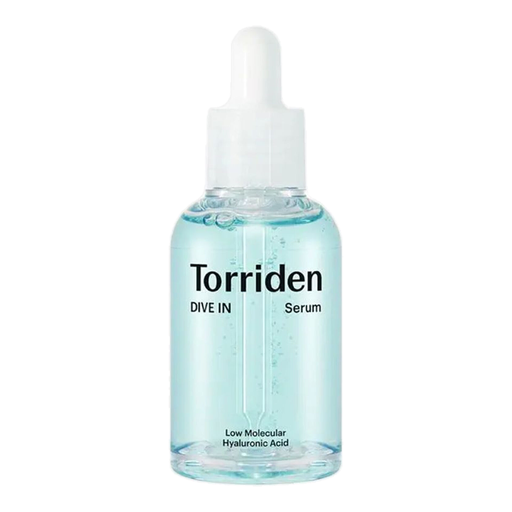
Why this fits the profile: This Korean skincare serum is aimed at those looking for a larger volume and a comprehensive hydrating formula.
The product description mentions five types of hyaluronic acid, plus panthenol, ceramide NP and beta-glucan. The ingredients are therefore more specific than just the claim “intense hydration”.
50 ml volume; fragrance-free formula according to the product information; suitable for use in the morning and evening.
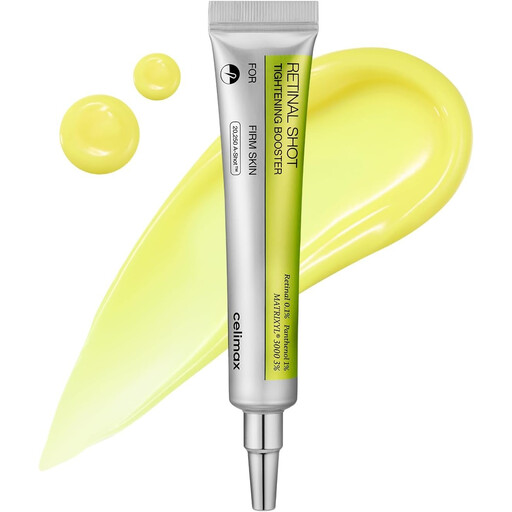
Why this fits the profile: This serum is intended for users who consciously want to add a retinal product to their evening routine and can follow the build-up instructions.
The usage instructions state to start every other evening, use a small amount and apply less frequently if irritation occurs. This prevents overuse.
Contains, according to the product description, 0.1% retinal and 3% Matrixyl 3000; 15 ml volume; clear warning about sun sensitivity.
We’ve put together a full, up-to-date list of products that fully meet these strict selection criteria and comply with current European safety regulations.
For a serum for sensitive skin, choose one that is fragrance-free and contains a limited number of active ingredients. Test it on a small area first. Patience is important with a serum for acne or a formula for pigmentation marks: cosmetic results vary by skin type, and brand claims are no guarantee of individual results.
Usually after cleansing and before your moisturiser. A light, watery formula typically comes before a richer cream. Always check the specific usage instructions, especially with retinal, vitamin C or acids.
Check the expiry date and the symbol for the period after opening on the packaging. Close the bottle immediately after use and store it away from direct sunlight. A change in smell, colour or texture may be a reason to stop using the product.
Sometimes you can, but it’s better to start with one formula. Hydrating ingredients like glycerine or hyaluronic acid are often easy to combine. Be more cautious with retinal, vitamin C, acids and high concentrations of niacinamide. Build up slowly and stop if irritation occurs.
