
Vandaag of morgen in huis

Kwaliteit gegarandeerd

Welkomstaanbiedingen ontgrendelen: GRATIS bezorging | Tot 80% korting | Gratis 30 dagen JoyPlus-proefperiode
Download de app
A face serum can be a targeted addition to your skincare routine. However, it’s best not to rely on words such as “glow”, “anti-ageing” or “clinically proven” alone. The right choice depends mainly on the ingredients, concentration, how well your skin tolerates it and how you use it.
A serum with lots of active ingredients may seem appealing, but several potent ingredients can put unnecessary stress on your skin. For example, a vitamin C serum with pure ascorbic acid, salicylic acid and fragrance needs more careful consideration if you have sensitive skin than a simple hydrating formula.
Start by thinking about your main skincare goal:
Claims about a more even-looking complexion, less visible pores or firmer skin won’t necessarily mean the same thing for everyone. A brand’s own research may measure certain results under specific conditions. Check the full product information, ingredients list and any usage restrictions.
A serum for pigmentation also doesn’t replace sun protection. Daily use of a broad-spectrum sunscreen helps prevent discolouration caused by UV exposure from becoming more noticeable again.
Combining a niacinamide serum with a vitamin C serum, exfoliant and retinoid can be too much for some skin types. Ideally, introduce one new product at a time. First, test a small amount on a limited area of skin, then gradually increase how often you use it, especially if it’s a serum for sensitive skin.
An ingredient’s position in the ingredients list gives you an initial idea of how much is included, but it doesn’t tell you everything about how the finished product will perform. Look for specific details such as 2% alpha-arbutin, 10% azelaic acid, 12% pure vitamin C or 5% panthenol.
A higher concentration isn’t automatically a better choice. A hydrating serum with a simple formula may be more practical for everyday use than a highly concentrated serum that is more likely to cause irritation.
A watery lotion or gel usually absorbs quickly and works well under make-up. A richer formula with oils, squalane or ceramides may feel more comfortable on dry skin. If you have sensitive skin, check whether the product contains fragrance, drying alcohol or known allergens.
Also look out for product claims such as vegan, fragrance-free, alcohol-free and dermatologically tested. Treat these as product specifications, not a guarantee that everyone will tolerate the product without any problems.
Vitamin C and retinal are sensitive to light and air. Store these products as directed on the packaging and make sure the dropper or pump is properly closed. Avoid touching your skin with the dropper to help prevent contamination.
Usually, apply a serum after cleansing and, if you use one, a toner. Follow with a moisturiser. When using active ingredients such as azelaic acid, vitamin C or retinal, it’s advisable to wear sun protection during the day. Always follow the official label, as ingredients and instructions for use may change.
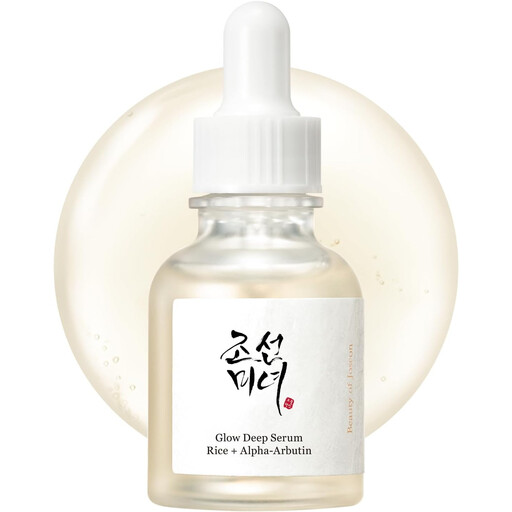
Why it suits this profile: A straightforward option if you’d like to try a Korean skincare serum focused on hydration and a more even-looking complexion.
The product information gives a clear breakdown of the formula, including 68.6% rice bran water, 2% alpha-arbutin and niacinamide. According to the product specifications, the formula is vegan, fragrance-free and alcohol-free.
30 ml; lightweight texture; targets dryness and dull-looking skin; recommended for evening use.
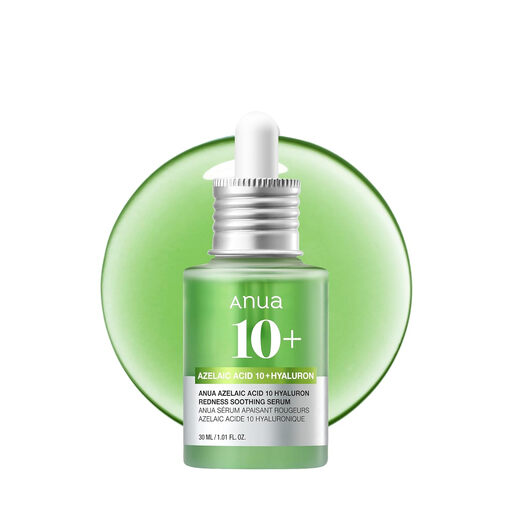
Why it suits this profile: A good fit if you’re specifically looking for a serum to address redness or dark spots and are prepared to introduce it carefully.
The instructions recommend starting with 1–2 drops, once or twice a week. The product information also warns that it may cause dryness and recommends using sunscreen during the day.
30 ml; 10% azelaic acid; contains panthenol, allantoin, centella and ceramide NP; fragrance-free according to the listed specifications.
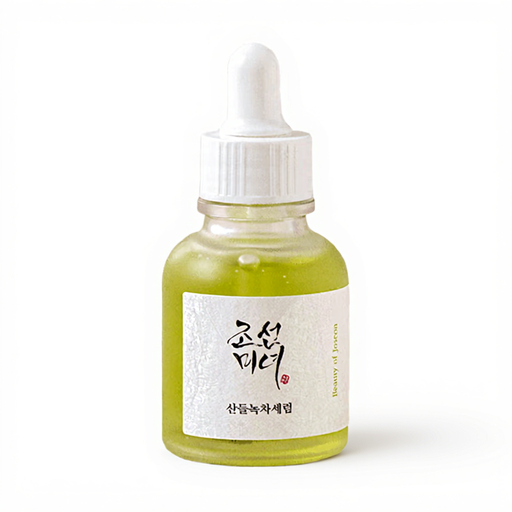
Why it suits this profile: A natural choice if your main priorities are hydration and a soothing feel, without fragrance in the formula.
The product specifications list 5% panthenol, green tea, allantoin and a fragrance-free formula. The recommended amount is 2–3 drops, so you can start gradually.
30 ml; vegan and alcohol-free according to the product information; contains sodium hyaluronate and panthenol; lightweight, fast-absorbing texture.
We’ve put together a complete, up-to-date list of products that meet these strict selection criteria and the applicable European safety requirements.
Usually after cleansing and before moisturiser. A watery serum generally goes on before a richer cream. Always check the specific instructions, as some products are recommended for evening use only or for less frequent application.
It depends on the amount in the bottle and how many drops you use each time. A 30 ml bottle may last from several weeks to a few months with daily use. Use the recommended amount; applying more won’t necessarily speed up results.
You can, but introduce new active ingredients one at a time. Don’t combine several potent products, such as a vitamin C serum, exfoliant and retinal, without building up gradually. A hydrating serum with panthenol or hyaluronic acid is often easier to combine with other products. If irritation occurs, check which step you added most recently.
