
Vandaag of morgen in huis

Kwaliteit gegarandeerd

Welkomstaanbiedingen ontgrendelen: GRATIS bezorging | Tot 80% korting | Gratis 30 dagen JoyPlus-proefperiode
Download de app
A face serum can be a targeted step in your skincare routine, but not every serum suits every skin type. A lightweight formula with hyaluronic acid can feel good on dehydrated skin, while a niacinamide serum or azelaic acid serum may be a better match for uneven skin tone or blemish-prone skin.
Packaging doesn’t always make choosing easier. Terms such as “intensive”, “glow” and “restorative” don’t tell you much about the formula on their own. Instead, focus on the ingredients list, the concentration of active ingredients and the directions for use.
More ingredients don’t automatically mean a serum is a better match for you. A product may contain various plant extracts, acids and hydrating ingredients, which can also make it harder to assess if you have sensitive skin.
First, identify your main skincare goal:
A serum for redness, pigmentation or acne may contain active ingredients that need to be introduced gradually. For example, the product information for ANUA Azelaic Acid serum recommends starting with once or twice a week and building up gradually. A patch test is a good idea if your skin reacts easily.
Avoid using several strong serums at once without a clear reason. Combining a niacinamide serum with a hydrating serum is usually easier to manage than using several exfoliating or highly concentrated formulas in one routine.
The directions for products containing azelaic acid or kojic acid recommend using sun protection during the day. This doesn’t mean the serum has a medical effect. It does mean that a routine for pigmentation or visible discolouration isn’t complete without a suitable sunscreen.
Also read the warnings on the packaging before buying. Stop using the product if you experience persistent irritation, swelling, itching or a burning sensation, and seek medical advice if needed.
Choose one main goal, then compare the active ingredients. A hyaluronic acid serum is primarily designed to help the skin retain moisture. A centella ampoule often contains centella asiatica and is intended as a lightweight, soothing skincare step. The concentration is important when choosing an azelaic acid serum: several products in the range state that they contain 10%.
Keep in mind that claims made by brands about how a product works don’t guarantee a particular result. According to a brand’s own research or the product description, ingredients may help with hydration, a calmer-looking complexion or a more even skin tone. Always check the current INCI list on the packaging, as ingredients can change.
A thin serum usually absorbs quickly and works well under a moisturiser or sunscreen. A slightly richer formula may feel more comfortable on dry skin, but less so on oily skin.
Also compare the size:
If you want to avoid fragrance, alcohol or certain preservatives, check the product details and ingredients list. Even if a product is described as fragrance-free or alcohol-free, check the current packaging too.
Apply a face serum after cleansing and, if you use one, toner. Follow with a moisturiser. During the day, apply sun protection as the final step. If you’re using a serum for sensitive skin, a simple routine is often easier to assess than one that includes lots of new products at once.
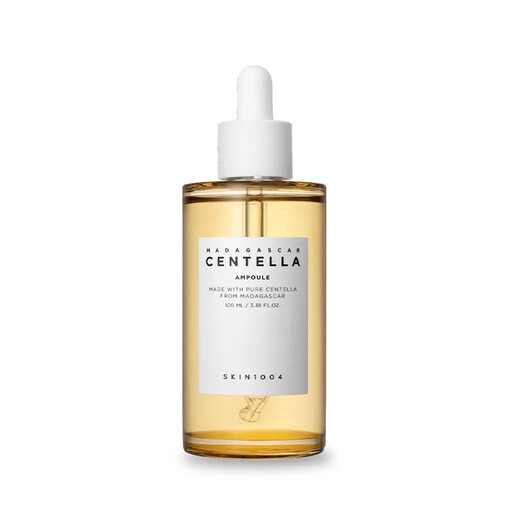
Why it suits this profile: The 100 ml size is handy if you want to start with one simple centella ampoule and use a few drops regularly.
The product information recommends a simple routine: cleanse, apply a few drops and massage in gently. This means you don’t need to combine several active serums straight away.
100 ml; centella asiatica as the key ingredient; suitable as a lightweight skincare step.
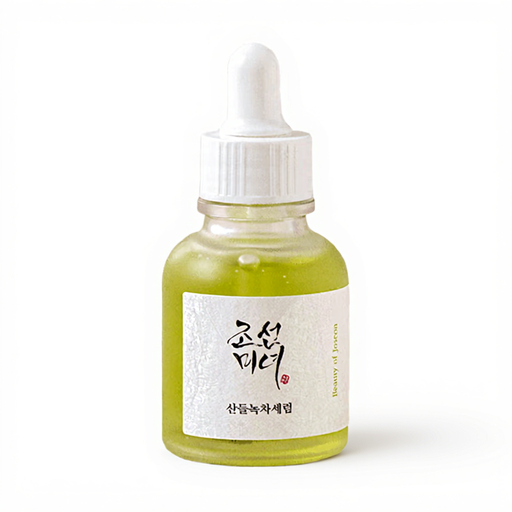
Why it suits this profile: This Korean formula is a good fit if you’re looking for a lightweight texture with green tea, panthenol and mugwort extract.
The stated formula contains 5% panthenol and, according to the product details, is alcohol- and fragrance-free. Check the packaging for the current ingredients.
30 ml; lightweight serum texture; product details list panthenol, green tea and sodium hyaluronate.
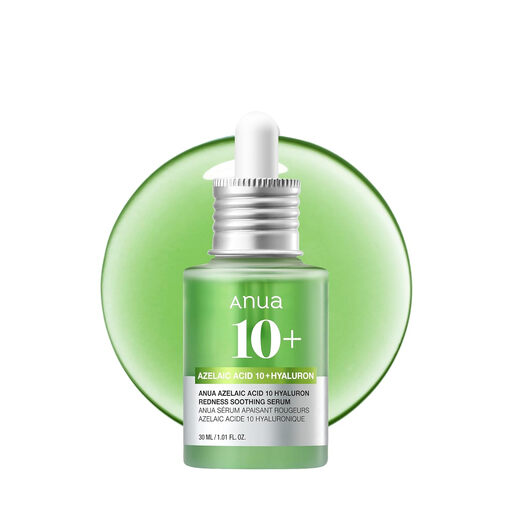
Why it suits this profile: This formula is designed for people who want to add azelaic acid to a routine for blemish-prone skin or visible redness.
The directions recommend introducing it gradually, patch testing and using SPF daily. This makes the strength of the formula and the routine it requires clearer.
10% azelaic acid; panthenol and sodium hyaluronate in the ingredients list; 30 ml size.
We’ve put together a complete, up-to-date list of products that meet these strict selection criteria and the applicable European safety regulations.
Use your serum after cleansing and, if you use one, after toner. Apply a few drops, then follow with a moisturiser. During the day, apply sun protection afterwards. Always check the product’s specific directions for use.
Check the packaging for the expiry date and the period-after-opening symbol, such as 12M. Store the serum as instructed and close the bottle securely. If its smell, colour or texture changes, stop using it.
Choose a simple formula if possible, and avoid using several new active ingredients at once. A serum for sensitive skin containing panthenol, centella or beta-glucan may suit a soothing routine. Test a small amount first and stop using it if irritation occurs.
