
Vandaag of morgen in huis

Kwaliteit gegarandeerd

Welkomstaanbiedingen ontgrendelen: GRATIS bezorging | Tot 80% korting | Gratis 30 dagen JoyPlus-proefperiode
Download de app
A face serum can be a useful addition to your daily skincare routine. The lightweight formula is often designed to target one or more skin concerns, such as hydration, an even complexion, or a firmer appearance. However, it’s not wise to rely solely on eye-catching claims or a popular package. The ingredients list, concentration, skin type, and usage instructions determine whether a serum makes sense for your routine.
A niacinamide serum with 15% sounds powerful, but a high concentration can feel less comfortable for some skin types than a gentler formula. So, don’t just look at the percentage; also consider the other ingredients and the recommended frequency of use.
The same goes for a vitamin C serum, retinol, or retinal. A product with 23% ascorbic acid, such as Vitamin C23, requires more attention to storage, gradual introduction, and sun protection than a mild vitamin C derivative.
Terms like “collagen”, “lifting”, “glow”, and “repair” don’t all mean the same thing. According to brands’ own product information, peptides, hyaluronic acid, or collagen can contribute to a smoother, more hydrated, or firmer-looking skin. That’s no guarantee of a specific result.
So, check what’s objectively stated on the label: for example, 30 ml content, a stated concentration, fragrance-free, alcohol-free, or suitable for a particular skin type. A serum is not a medicine and does not treat a medical skin condition.
A common purchasing mistake is starting several intensive products at the same time. Combining a retinol serum with a strong vitamin C serum, acids, and a high-concentration pigment serum can make your routine unnecessarily complicated.
Instead, start with one new serum. Test it on a small patch of skin first and follow the instructions on the packaging. If you experience redness, a burning sensation, or swelling, stop using it.
Please note that product claims come from the manufacturer’s description. According to the relevant brands’ own information, some formulas are intended for hydration, a more even complexion, or a firmer appearance; individual results may vary.
A retinol serum or retinal product requires a different approach than a simple serum for all skin types. Celimax The Vita-A Retinal Shot contains, according to the product information, 0.1% pure retinal and is intended for evening use. The instructions advise starting every other evening, using a small amount, and applying sunscreen during the day.
For a serum targeting dark spots, relevant ingredients include niacinamide, tranexamic acid, and alpha-arbutin. The Anua formula states 10% niacinamide and 4% tranexamic acid. This makes the ingredients list verifiable, but it doesn’t mean every pigment issue will disappear.
Most serums in this selection contain 20, 30, or 55 ml. A 15 ml bottle can be practical for a concentrated formula, but it runs out faster. A pump bottle helps limit contact with air and fingers; a dropper bottle requires extra attention to hygiene.
Also check:
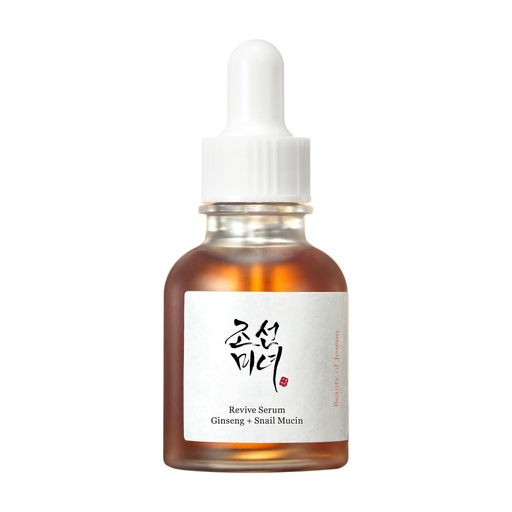
Why this fits the profile: The gel texture and pump bottle format make this a straightforward choice for anyone wanting to add a serum to their skincare without juggling lots of different active products.
The product information mentions 3% snail mucin filtrate, ginseng, and hydrating ingredients. This allows you to assess the formulation rather than relying solely on the term “firming”.
30 ml, gel texture, pump bottle, and according to the product details, alcohol-free and fragrance-free.
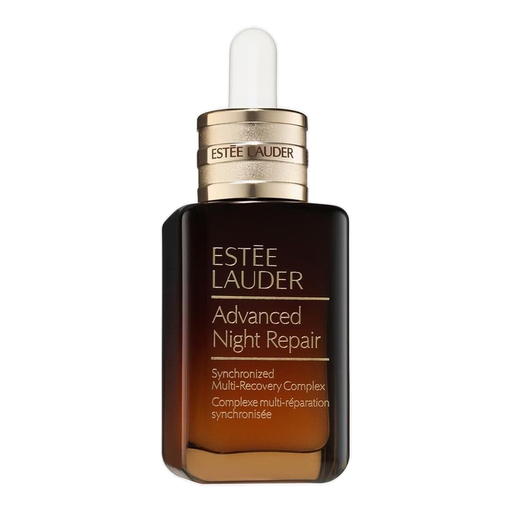
Why this fits the profile: If you’re looking for one recognisable serum for hydration, firmness, and an evening routine, you get a formula that, according to the product details, is suitable for all skin types.
The product information lists concrete features such as hyaluronic acid, a fragrance-free formula, and 30 ml content. The brand’s description about anti-ageing and repair remains a claim from Estée Lauder.
Suitable for all skin types according to the product specification; stated as oil-free and fragrance-free.
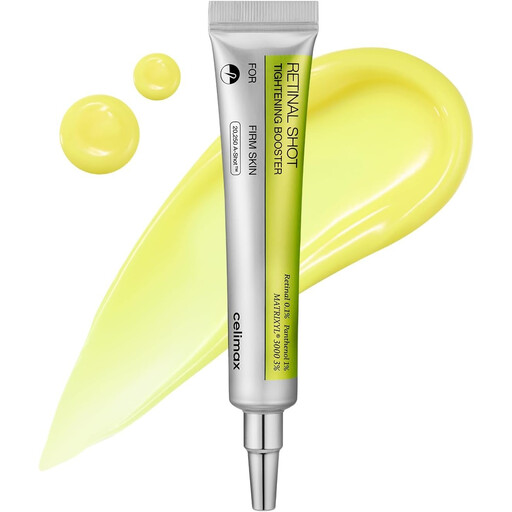
Why this fits the profile: This is intended for users who consciously want to add a retinal product to their evening routine and can follow the gradual introduction instructions.
The description states 0.1% retinal, 15 ml content, and use every other evening. This helps prevent using a strong active ingredient daily and in too large a quantity.
Retinal concentration and Matrixyl 3000 are specified; the packaging includes clear warnings about sun sensitivity.
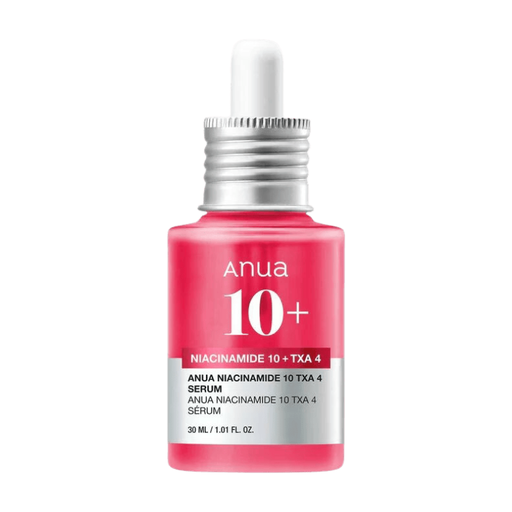
Why this fits the profile: A logical option for anyone specifically looking for a serum for an even complexion and who values the ingredients list over a general glow promise.
The percentages of niacinamide and tranexamic acid are stated in the product information. The formula also contains hyaluronic acid and is listed as alcohol-free and fragrance-free according to the specifications.
30 ml, pump bottle, multiple forms of hyaluronic acid, and a formula for various skin needs.
We’ve put together a full, up-to-date list of products that fully meet these strict selection criteria and comply with current European safety regulations.
A Korean face serum often fits well into a layered routine, but multiple layers aren’t essential. A simple routine that you use consistently is more practical than many products that overlap with each other.
Use serum usually after cleansing and before your moisturiser. The exact order can vary by product. A retinal serum is typically used in the evening; always check the packaging.
This varies by formula. Look for the symbol showing, for example, 6M or 12M, and the shelf-life information on the packaging. Vitamin C formulas can be particularly sensitive to light, heat, and air. Vitamin C23 states, according to the product information, to store it in the fridge and use within two months of opening.
Usually yes, if you want to help lock in moisture. A face serum delivers targeted ingredients, while a moisturiser complements the routine with a protective and hydrating layer. The combination is especially practical for dry skin or when using active ingredients that can make the skin more sensitive.
