
Vandaag of morgen in huis

Kwaliteit gegarandeerd

Welkomstaanbiedingen ontgrendelen: GRATIS bezorging | Tot 80% korting | Gratis 30 dagen JoyPlus-proefperiode
Download de app
A face serum can be a targeted addition to your skincare routine. It usually has a lightweight texture, and its formula often contains a higher concentration of certain active ingredients than a face cream. However, a higher price doesn’t automatically mean it’s a better fit. A long ingredients list doesn’t tell you much either if the product isn’t suited to your skin type, routine or how often you plan to use it.
As Joybuy Product Recommendation Officer, I focus on information you can check: what the serum is designed to do, its listed ingredients, directions for use, packaging and warnings. This helps you look beyond eye-catching marketing claims.
A vitamin C serum, niacinamide serum and retinol serum can each serve a different purpose. If you use several potent formulas at once, it can be hard to tell which products your skin tolerates well. Some combinations can also cause irritation.
So start with one clear goal, such as hydration or a more even-looking complexion. Add a second active product only later.
Terms such as “brightening”, “lifting” or “anti-wrinkle serum” often describe the intended cosmetic effect. They don’t guarantee a particular result. Claims such as a visible difference after a set number of weeks should be backed by the brand or a described use test.
For example, NIVEA’s own research on the Cellular LUMINOUS630 Anti-Pigment Face Serum reported results from 105 volunteers at specific measurement points. That’s useful context, but it’s no guarantee of personal results. Always check the full ingredients list and directions for use on the packaging too.
A hydrating serum can make your skin feel more comfortable, but it isn’t a substitute for a day cream with sun protection. Product information for products containing vitamin C, retinol or retinal often recommends using a sun protection product during the day. Introduce retinol and retinal gradually, and do a patch test first if you have sensitive skin.
A percentage can be useful, but you need to consider it alongside the rest of the formula. For example, Vitamin C23 lists 23% ascorbic acid and recommends a patch test, cool storage and use within two months of opening to preserve the active ingredients. This makes it less of an obvious choice for beginners, despite its clearly stated concentration.
Some By Mi Retinol Intense Reactivating Serum lists 0.1% retinol, alongside retinal and bakuchiol. The directions recommend using small amounts in the evening at first, then gradually increasing how often you apply it. Don’t use a retinol serum or retinal serum without reading the warnings.
A 20 or 30 ml serum may seem small, but a few drops per application can be enough. Check the period after opening, batch number and storage conditions. Formulas that are sensitive to light and heat need extra care.
The usual order is:
Also check that the product provides a full INCI ingredients list, warnings and details of the responsible party for the European market. You should be able to find this information on the packaging or in the product details.
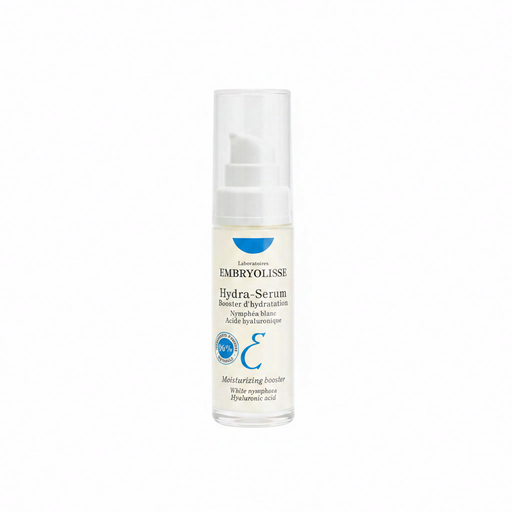
Why it suits this profile: The lightweight formula is designed for everyday use and, according to the product information, is suitable for all skin types, including sensitive skin.
It focuses on one clear goal: hydration. So you don’t need to combine several potent active ingredients straight away.
Contains glycerin, sodium hyaluronate and white water lily. The bottle contains 30 ml, and the texture is described as lightweight and fast-absorbing.
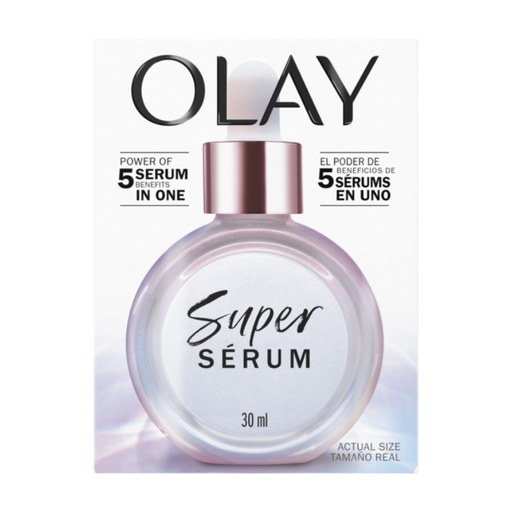
Why it suits this profile: This is a multi-purpose option for anyone looking to simplify their routine with a single serum.
The product description sets out its main benefits and ingredients, so you don’t have to base your choice on a vague claim alone.
The formula lists vitamin C, niacinamide and collagen. Its texture is described as lightweight and non-greasy.
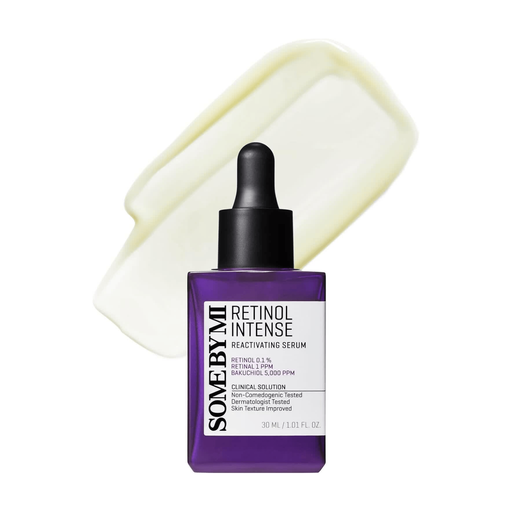
Why it suits this profile: Suitable for users who want to use retinol and retinal mindfully and are prepared to build up how often they apply it gradually.
The instructions recommend evening use, a patch test and gradual introduction, and advise avoiding certain other active ingredients.
The ingredients list includes 0,1% retinol, retinal, bakuchiol, panthenol and ceramide NP.
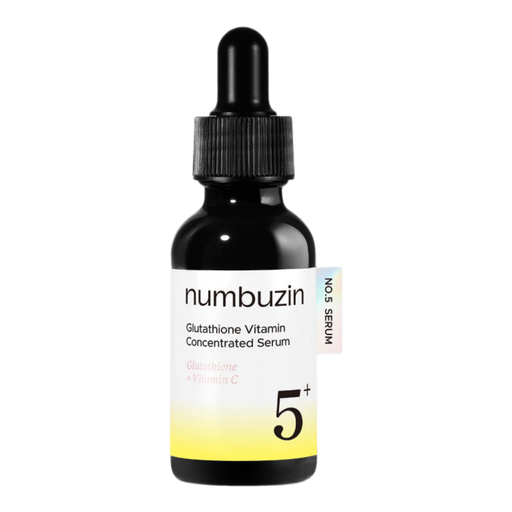
Why it suits this profile: This Korean formula combines several ingredients for a more even-looking complexion. It’s a good fit for users who like comparing INCI lists.
The full ingredients list includes niacinamide, tranexamic acid, vitamin C derivatives and sodium hyaluronate.
The formula also contains panthenol, ceramide NP and allantoin. It’s recommended for use after toner, morning and evening.
We’ve put together a complete, up-to-date list of products that meet these strict selection criteria and the applicable European safety requirements.
It depends on the formula. A hydrating serum with glycerin or hyaluronic acid can often be used daily, as directed on the label. Vitamin C, acids, retinol and retinal need more care. Follow the packaging instructions, and start by using active ingredients infrequently.
Yes. A serum is usually applied before a face cream. The cream can help lock in moisture and complete your routine. During the day, also use a product with SPF, especially if the product information warns that your skin may be more sensitive to sunlight.
A 20 to 30 ml bottle can last from several weeks to a few months with daily use. It depends on how much you use each time and how often you apply it. Store the serum as instructed, check the period after opening, and stop using it if its smell, colour or texture changes, or if it causes irritation.
