
Vandaag of morgen in huis

Kwaliteit gegarandeerd

Welkomstaanbiedingen ontgrendelen: GRATIS bezorging | Tot 80% korting | Gratis 30 dagen JoyPlus-proefperiode
Download de app
A face serum can be a targeted addition to your daily routine. However, it’s best not to rely on claims such as “glow”, “lifting” or “pore-refining” alone. Face serums vary widely in their ingredients, how often they should be used, their texture and whether they’re suitable for sensitive skin.
So, the right choice starts with your skin goals, not the packaging. Are you mainly looking for a hydrating serum, hoping to tackle a dull complexion, or would an anti-blemish serum fit your routine better? Read on to find out what to look for.
Terms such as “instant results” or “glass skin” don’t tell you much on their own. Instead, check the product information for ingredients and concentrations. For example, a niacinamide serum may target oiliness, skin tone and the appearance of pores, while a hyaluronic acid formula mainly adds moisture.
Claims about visible results come from the brand and shouldn’t be taken as a guarantee for every user. According to the brand’s own research, results may also depend on how long you use the product, your skin type and the rest of your routine.
A vitamin C serum, exfoliating serum and serum for pigmentation can each serve a different purpose. Combining several potent formulas at once may cause skin discomfort. So, start with one new product and gradually increase how often you use it.
Take extra care with acids such as PHA, AHA or lactic acid. Use the product as directed on the label, avoid applying it to damaged skin, and stop if redness, itching or irritation persists.
A serum for sensitive skin isn’t automatically suitable for everyone. Also check whether it’s fragrance-free, whether it contains alcohol or exfoliating acids, and how often it’s recommended for use. Even a fragrance-free formula may contain active ingredients that your skin needs time to adjust to.
Test a new serum on a small area of skin first. During the day, also use a sun protection product if advised in the product information, especially with formulas containing acids or vitamin C.
Look for ingredients that match your goal:
A higher percentage isn’t automatically a better choice. The overall formula, stability, packaging and your skin’s tolerance all matter too.
A lightweight gel often works well under day cream or sun protection. A richer formula may feel more comfortable on dry skin, but could feel less comfortable on oily or combination skin.
Check the size too: many serums contain 30 ml, while some come in 50 ml sizes. A pump dispenser limits contact with air and fingers; if the product comes with a pipette, hygienic use is important. Close the packaging after each use and store the serum as directed on the label.
Check whether the serum is intended for morning, evening or both. Usually, apply it after cleansing and, if you use one, a toner, before moisturiser. Don’t combine multiple exfoliating products without a good reason.
If you use a serum for pigmentation or a vitamin C serum, use suitable sun protection during the day if the manufacturer recommends it. This helps you tailor your routine to the product’s purpose.
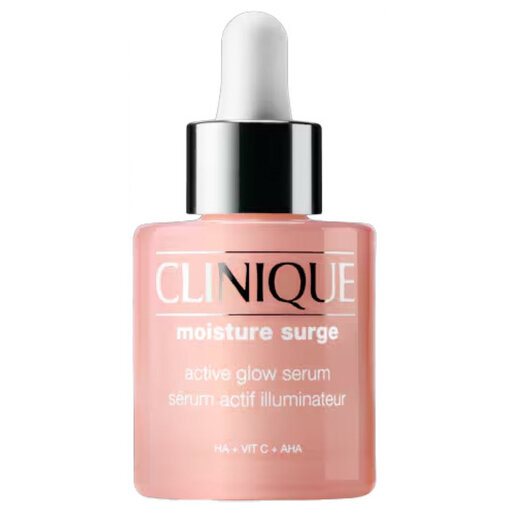
Why it suits this profile: A straightforward choice if you’re mainly looking for hydration and a lightweight texture, without a complicated routine.
The product information lists hyaluronic acid, a fragrance-free formula and suitability for all skin types, giving you more to compare than just a glow claim.
According to the product description: lightweight texture, 30 ml size, fragrance-free and non-comedogenic.
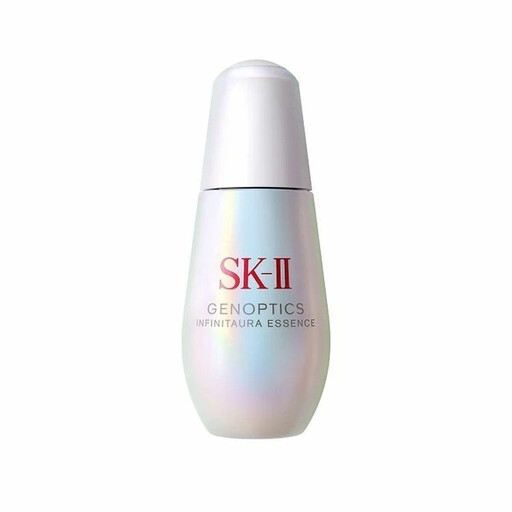
Why it suits this profile: A good fit if you’re looking for a more luxurious formula that focuses on radiance, hydration and uneven skin tone.
The product page lists the active ingredients and describes the formula as fast-absorbing. Make sure the price and intended benefits suit your own routine.
According to the product description: 50 ml size, lightweight texture and ingredients including niacinamide and bisabolol.
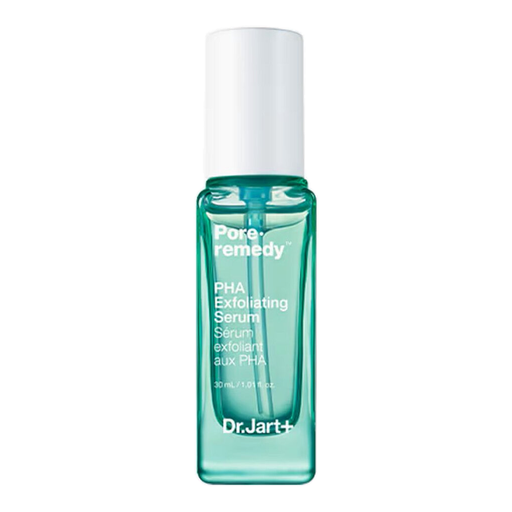
Why it suits this profile: A good match if you’re looking for a targeted pore-refining serum and want to add exfoliation to your routine.
The formula lists 7% PHA and includes directions for use. This makes it clear that it isn’t an all-purpose hydrating serum, but a product for gradual exfoliation.
According to the product information: 7% PHA, fragrance-free, alcohol-free and panthenol in the ingredients list.
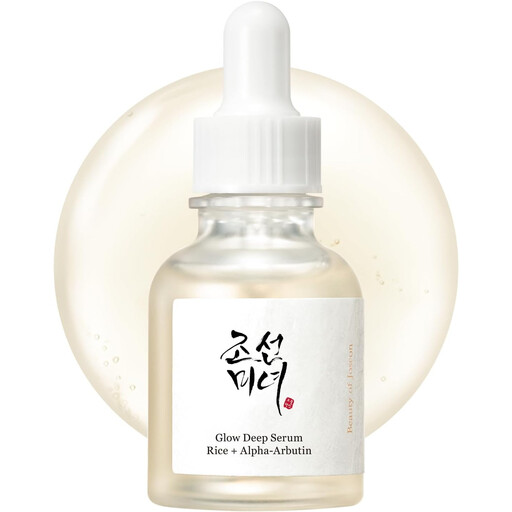
Why it suits this profile: A Korean skincare serum for anyone looking to combine hydration with a more even-looking complexion in a lightweight routine.
The product description lists 2% alpha-arbutin and recommends using it in the evening. This lets you target your routine with one formula, rather than layering several products for pigmentation at once.
According to the product information: rice water, 2% alpha-arbutin, niacinamide, fragrance-free and alcohol-free.
We’ve put together a complete, up-to-date list of products that meet these strict selection criteria and comply with the applicable European safety regulations.
Cleanse your skin first, then apply a small amount of serum. Follow with a moisturiser. If you’re using an exfoliating serum, start by applying it less often than a simple hydrating serum. Always check the directions on the packaging.
Check the expiry date and the period after opening, often shown as something like 12M. Keep the product closed, out of direct sunlight and follow the storage instructions. If the smell, colour or texture changes, stop using it.
Choose a formula with a clear ingredients list and check whether it’s fragrance-free, whether it contains active acids and what the directions for use say. A serum labelled for sensitive skin isn’t necessarily suitable for everyone. Test it on a small area first and introduce just one new product at a time.
