
Vandaag of morgen in huis

Kwaliteit gegarandeerd

Welkomstaanbiedingen ontgrendelen: GRATIS bezorging | Tot 80% korting | Gratis 30 dagen JoyPlus-proefperiode
Download de app
A face serum can be a targeted addition to your daily skincare routine. But it’s best not to rely on claims such as “glow”, “intensive repair” or “anti-ageing” alone. The formula, concentration, packaging and directions for use all have a much bigger impact on whether a serum suits your routine.
A vitamin C serum with 23% ascorbic acid or a formula with 10% azelaic acid may be worth considering for targeted use, but concentrations like these need to be introduced gradually. A potent formula may cause stinging or redness, particularly if you have sensitive skin.
So start with a small amount and try any new product on a small area of skin first. Always check the current ingredients list on the packaging.
A hydrating serum without strong acids may suit many skin types. That doesn’t mean every formula is suitable for skin that reacts easily to fragrance, alcohol, essential oils or retinol.
So check the full ingredients list. For example, a serum for blemish-prone skin may contain niacinamide, salicylic acid or propolis, while a serum for redness often contains centella, panthenol or azelaic acid. The presence of an ingredient doesn’t guarantee a particular result.
Active ingredients such as retinol and pure vitamin C are sensitive to light, heat and air. Some products need to be stored in a cool, dark place. The product information for Vitamin C23 Anti aging serum even recommends keeping it in the fridge and using it within two months of opening.
When buying, check:
Don’t choose a serum just because it’s trending. Match it to one clear goal:
A retinol serum is generally used in the evening. The product information for ANUA Retinol 0.3% + Niacin Renewing Serum recommends starting slowly and using sun protection during the day. Don’t automatically combine retinol with a vitamin C serum, AHA, BHA or other potent active ingredients in the same routine.
If you’re new to serums, a simple routine is easier to follow:
A 20 or 30 ml bottle is handy if you want to try an active product first. A 55 or 100 ml ampoule may offer better value if you use a simple hydrating product every day. Also consider the texture: a watery centella ampoule feels different from an oil-based formula with exfoliating acids.
The product name alone isn’t enough. Always check the net volume and make sure the ingredients on the product match the online information. Ingredients may change.
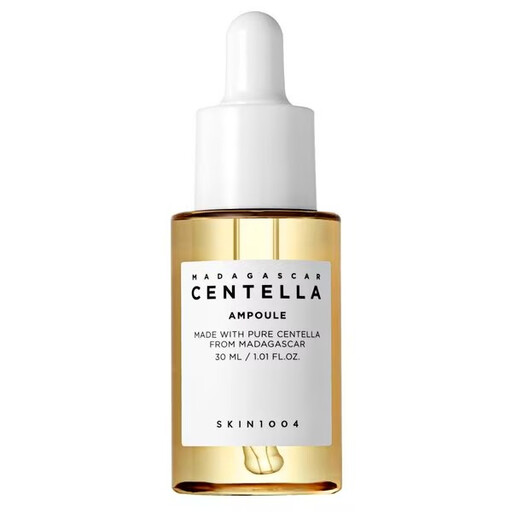
Why it suits this profile: A straightforward K-beauty serum with a watery texture and 30 ml size, ideal if you want to try a gentle product first.
According to the product information, the formula is built around one key ingredient, so you introduce fewer different active ingredients at once.
30 ml size, lightweight texture and centella asiatica listed as the main ingredient.
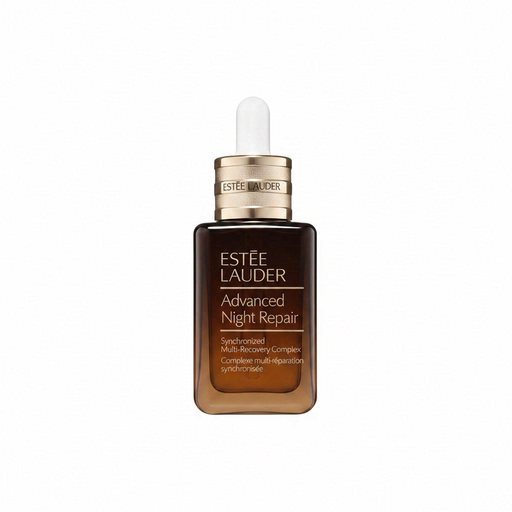
Why it suits this profile: For anyone looking for a larger size and a versatile hydrating focus in an established serum category.
The product information lists a 50 ml size, an oil-free formula and suitability for all skin types. Check the current packaging for the definitive information.
50 ml size, a hydrating focus and, according to the product description, use in the morning and evening.
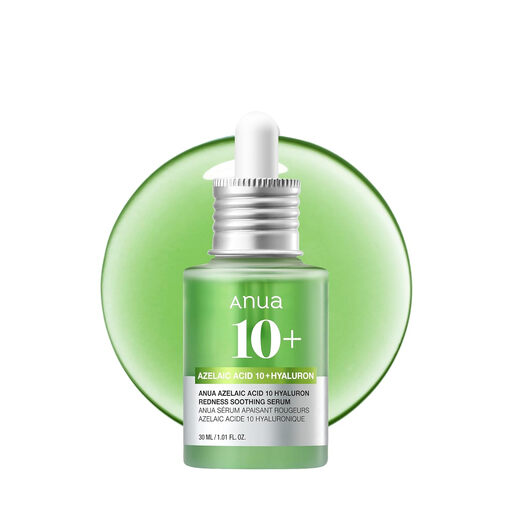
Why it suits this profile: For anyone specifically looking for a serum for redness with azelaic acid, panthenol and hyaluronic acid.
The directions recommend starting with 1–2 drops, 1–2 times a week. This helps you avoid using a high concentration of active ingredients every day straight away.
10% azelaic acid, 30 ml size and additional ingredients such as panthenol, allantoin and ceramide NP.
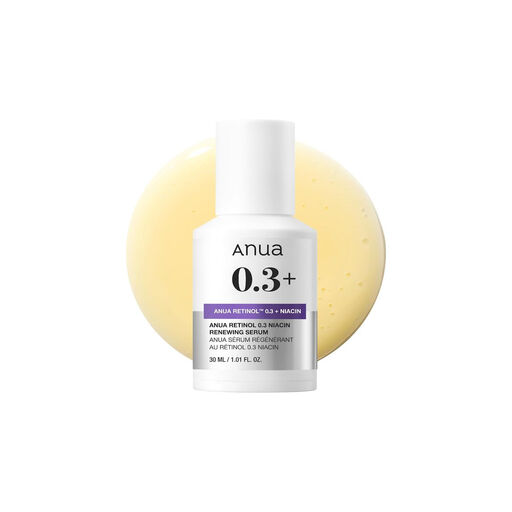
Why it suits this profile: For anyone looking to add a retinol serum with niacinamide, ceramides and hydrating ingredients to their evening routine as part of a targeted skincare plan.
The product information recommends evening use, a patch test and gradual introduction. Sun protection is needed during the day. If you’re pregnant or breastfeeding, it’s best to consult a healthcare professional.
0.3% retinol, niacinamide and several ceramides in a 30 ml serum.
We’ve put together a complete, up-to-date list of products that meet these strict selection criteria and current European safety regulations.
Apply a few drops after cleansing and, if you use one, after toner. Gently smooth the product over your face and neck, then finish with a moisturiser. Use sun protection during the day, especially when using retinol, vitamin C or exfoliating acids.
It depends on the size and how much you use. A 30 ml bottle will usually last longer with daily use than if you apply it generously. Stick to the recommended amount and check the shelf life after opening. A product with a short period of use after opening may be less cost-effective if you don’t use it regularly.
Sometimes, but don’t automatically combine several formulas with active ingredients. For example, you could use a hydrating serum alongside a gentle niacinamide formula, but take care with retinol, high-concentration vitamin C, AHA and BHA. Introduce one new product at a time so you can better assess how your skin responds.
