
Vandaag of morgen in huis

Kwaliteit gegarandeerd

Welkomstaanbiedingen ontgrendelen: GRATIS bezorging | Tot 80% korting | Gratis 30 dagen JoyPlus-proefperiode
Download de app
A face serum can be a targeted addition to your daily skincare routine. Its lightweight texture often contains ingredients designed to hydrate, even out your complexion or smooth the skin. However, an expensive bottle is not automatically right for your skin. If you focus mainly on terms such as “glow”, “renewal” or “deep action”, you could end up with a product that causes irritation, is used incorrectly or is left unopened in the bathroom.
The following points will help you distinguish marketing claims from practical product information.
A formula containing lots of active ingredients may sound appealing, but combining several powerful substances can make your routine unnecessarily complicated. Think retinol, retinal, acids, niacinamide and exfoliating ingredients. If you have sensitive skin, it is especially sensible to introduce one new product at a time.
So, consider what you want the serum to do. A hyaluronic acid serum or another hydrating serum may suit dehydrated skin, while a retinol serum or night serum is mainly intended for a routine containing vitamin A ingredients. These products need to be introduced in different ways.
A product description may state that a serum is suitable for all skin types. That does not mean every user will have the same experience. Fragrance, alcohol, acids or retinoids may feel less comfortable for some people.
Always check the full ingredients list. With a serum for sensitive skin, a fragrance-free formula and a short, straightforward routine are often sensible starting points. Test a new product on a small area of skin first, and stop using it if irritation persists.
Brands may cite results from their own research or user tests. According to Olay’s own research, skin may appear renewed after one night, while fine lines may look smoother after fourteen nights. Such results are not a general guarantee for every user.
Claims about how long hydration lasts, collagen or pigmentation should also be viewed as information provided by the brand. A serum for pigmentation may contain ingredients intended to promote a more even complexion, but discolouration does not respond in the same way for everyone. Daily UV protection remains important when using a serum for an even-looking complexion.
Do not just look at the name on the front of the packaging. Check the ingredients and any stated concentration:
A higher concentration is not automatically a better choice. The right combination depends on your skin type, routine and tolerance.
A morning serum should sit comfortably under a moisturiser and sunscreen. A night serum containing retinol, retinal or exfoliating acids is generally used in the evening. Do not immediately combine several powerful active ingredients in the same routine.
Apply serum after cleansing, optionally after toner, and before moisturiser. Use a small amount and follow the instructions on the packaging. Olay Retinol 24, for example, states that the serum should be used in the evening and combined with a hydrating day cream containing SPF. ISDIN states that Retinal Smooth can initially be used two to three times a week if you are not yet accustomed to retinal.
Compare the volume: 15, 30, 40, 50 or 100 ml can make a significant difference to the price per use. A pump bottle limits contact with the formula, while a pipette allows for precise dosing. Ampoules and capsules provide a fixed portion, but are less flexible if you want to adjust how often you use the product.
Check the expiry date, batch information and period after opening on the packaging. Store vitamin A formulas according to the instructions, usually tightly closed and away from direct sunlight. The packaging takes precedence if the information in an online description differs.
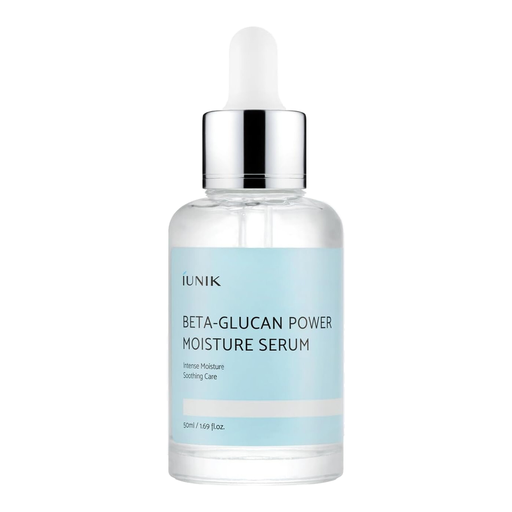
Why it suits this profile: A simple choice for anyone mainly looking for hydration and without an extensive routine. According to the product information, the formula contains 100% beta-glucan and comes in a 50 ml bottle.
The focus is on one main goal: adding moisture. This means you do not have to combine several powerful active ingredients straight away.
50 ml; designed to hydrate; lightweight serum texture according to the product information.
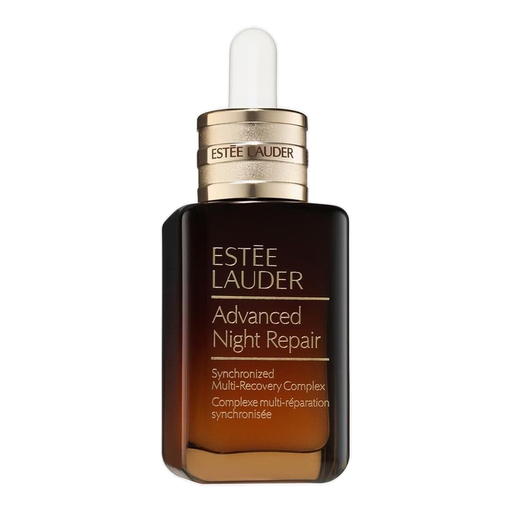
Why it suits this profile: For users looking for a versatile serum for morning and evening use. The product information mentions hyaluronic acid, an oil-free formula and suitability for all skin types.
The instructions are clear: apply a few drops to cleansed skin before moisturiser. Treat claims about repair and the duration of hydration as claims made by Estée Lauder.
30 ml; hyaluronic acid included in the formula; fragrance-free and dermatologically tested according to the product details.
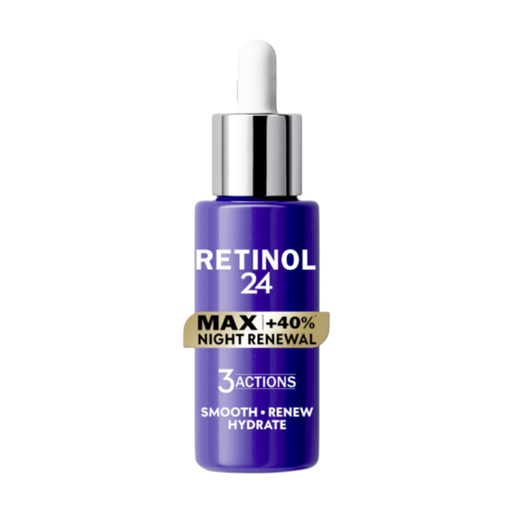
Why it suits this profile: For anyone deliberately looking for a night serum containing retinyl propionate to hydrate and smooth the skin’s texture. The formula is fragrance-free and contains glycerine.
The packaging states that it should be used in the evening, kept away from the eyes and discontinued if irritation occurs. This keeps your routine controlled and gradual.
40 ml; retinyl propionate and glycerine; fragrance-free; intended for use as a night serum.
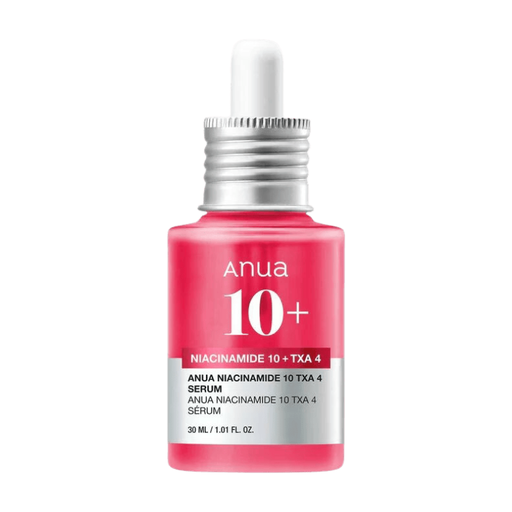
Why it suits this profile: For anyone specifically looking for a serum for pigmentation, dullness or an uneven complexion. The product details mention 10% niacinamide, 4% tranexamic acid and alpha-arbutin.
The key active ingredients and percentages are listed. This allows you to compare the formula rather than focusing only on the term “glow”.
30 ml; fragrance-free and alcohol-free according to the product details; pump bottle; contains several forms of hyaluronic acid.
We have put together a complete, up-to-date list of products that fully meet these strict selection criteria and the applicable European safety regulations.
Use serum after cleansing and before moisturiser. A hydrating serum can often be used in the morning and evening. Use a retinol serum, retinal serum or exfoliating night serum according to the label, and preferably introduce it gradually.
The exact shelf life is stated on the packaging. Check the use-by date and the period-after-opening symbol, such as 6M or 12M. Close the bottle securely and store the product as instructed. A change in scent, colour or texture is a reason to stop using the product.
Sometimes, but start carefully. Begin with one serum that has a clear purpose, such as hydration. Be cautious about using several active ingredients at the same time, particularly retinol, retinal, acids and high concentrations of niacinamide. A simple routine is easier to assess and maintain.
