
Vandaag of morgen in huis

Kwaliteit gegarandeerd

Welkomstaanbiedingen ontgrendelen: GRATIS bezorging | Tot 80% korting | Gratis 30 dagen JoyPlus-proefperiode
Download de app
A face serum can be a simple way to enhance your skincare routine. However, a pricier bottle isn't automatically the right choice. Many shoppers focus on terms like “glow”, “lifting” or “intensive action”, when the formula, concentration and usage instructions are far more important.
In this guide, you'll discover what to look for in a hydrating serum, a niacinamide serum, a serum for dark spots, or a serum for sensitive skin.
A serum packed with dozens of ingredients sounds appealing, but more isn't always more practical. First, look at the ingredients that match your goal:
The position of an ingredient on the list gives an indication of the amount, but it doesn't tell you everything about its final effectiveness.
Combining a niacinamide serum with a vitamin C serum, exfoliant and retinal can make your routine unnecessarily complicated. Especially with a sensitive skin, this can lead to an uncomfortable feeling or visible irritation.
Start with one new serum and use a small amount. Gradually build up the frequency and always follow the official packaging. Stop if irritation occurs and, if symptoms persist, seek advice from a doctor or pharmacist.
A serum for dark spots or a product with retinal does not replace sunscreen. When using retinal, vitamin C or other active ingredients, daily sun protection is a sensible addition. According to the product information from some brands, the skin can become more sensitive to sunlight. That is a brand statement, not a guarantee of a particular result.
Decide what you want to address daily:
Bear in mind that claims about reducing pigment spots, redness or fine lines may come from the brand's product communication. So, focus your assessment on the verifiable ingredients and usage instructions.
A percentage helps you compare products more easily. Examples from the range:
A higher percentage does not automatically mean a product is better for you. With active ingredients, skin tolerance, frequency of use and a good moisturiser are at least as important.
A gel serum feels different from an oily or milky serum. If you use multiple layers of Korean skincare, you'll often benefit from a lightweight formula that sits well under a moisturiser.
Also check:
A serum with retinal or retinol is generally intended for evening use. The product information from celimax, for example, advises building up slowly and using sunscreen the following morning.
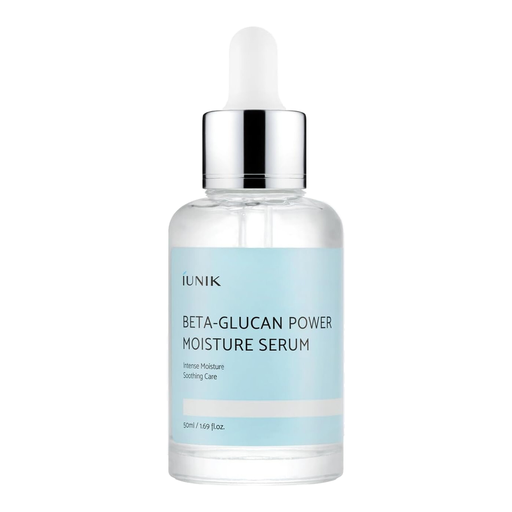
Why this fits the profile: A straightforward choice for anyone wanting to start with hydration without seeking an elaborate routine. The formula lists beta-glucan as the key ingredient and contains 50 ml.
The product information focuses on one central hydrating ingredient, meaning you're less likely to need multiple active serums at once.
Beta-glucan formula; 50 ml volume; suitable as a step between toner and moisturiser.
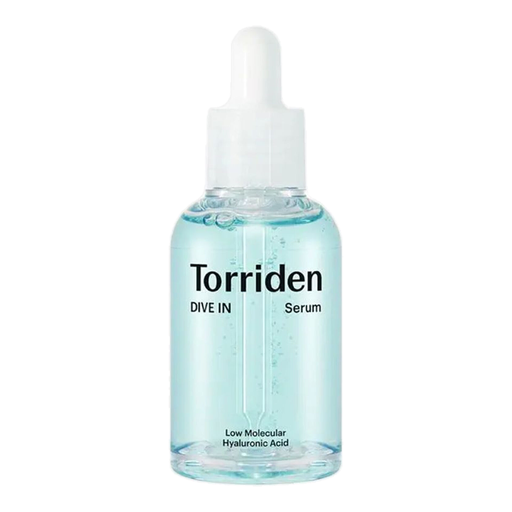
Why this fits the profile: Suits shoppers who want to combine a well-developed Korean skincare routine with hydration and barrier-supporting ingredients.
The formula lists five types of hyaluronic acid, plus panthenol, ceramide NP and beta-glucan, rather than just a generic “glow” claim.
50 ml; fragrance-free formula according to the product information; suitable for both morning and evening use.
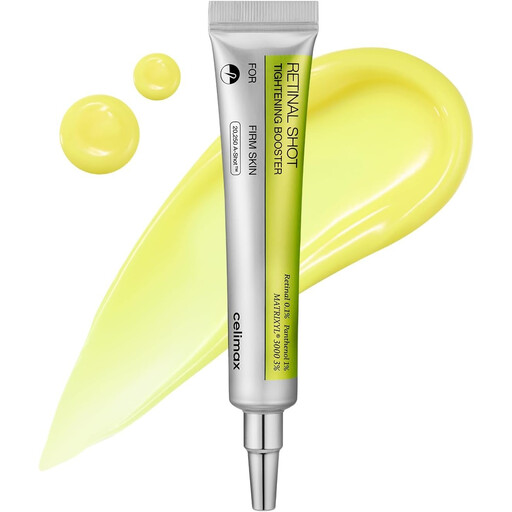
Why this fits the profile: Aimed at users who consciously want to add a retinal serum to their evening routine and can follow the build-up instructions.
The product information states 0.1% retinal, evening use and a gradual start to prevent using too much product at once.
0.1% retinal; 15 ml; clear instructions to limit frequency at the start.
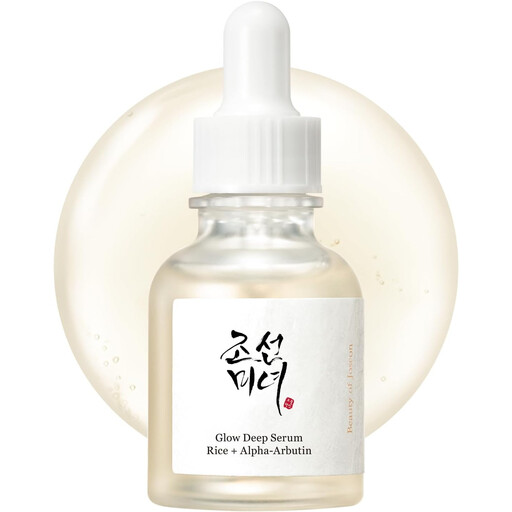
Why this fits the profile: A Korean skincare option for anyone seeking a lightweight serum with alpha-arbutin, niacinamide and rice bran water.
The product description specifically mentions 2% alpha-arbutin and 68.6% rice bran water, so you can compare the formula against generic brightening terms.
2% alpha-arbutin; 30 ml; according to the product information, alcohol-free and fragrance-free.
We've put together a full, up-to-date list of products that fully meet these strict selection criteria and comply with current European safety regulations.
First, cleanse your face. Then apply a few drops of serum, ideally after toner and before moisturiser. Gently pat the product in rather than rubbing vigorously. During the day, finish with sunscreen. Always follow the instructions on the packaging for active ingredients.
That depends on the volume and how much you use. A 30 ml bottle used daily will usually last longer than if you apply multiple layers each time. Check the expiry date and the period after opening, for example “12M”. Store the serum as directed and close the packaging tightly after use.
Choose a simple formula without fragrance if you want to avoid it, for example with panthenol, beta-glucan, hyaluronic acid or centella asiatica. First, test a small amount on a limited area of skin. Be extra cautious with retinal, acids and high concentrations of active ingredients.
