
Vandaag of morgen in huis

Kwaliteit gegarandeerd

Welkomstaanbiedingen ontgrendelen: GRATIS bezorging | Tot 80% korting | Gratis 30 dagen JoyPlus-proefperiode
Download de app
A face serum can be a useful addition to your daily skincare routine, but the wide range of options can make choosing difficult. Are you looking for a hydrating serum, a serum for sensitive skin or a product for pigmentation? Marketing claims are often more convincing than the information on the label.
Pay particular attention to three common pitfalls:
Start with one clear skincare goal. Combining several active ingredients is possible, but it makes it more difficult to establish what your skin tolerates well.
The percentage of an active ingredient is important, but it is not the only criterion. The rest of the formula and its pH level can also affect how the product feels and performs.
A serum containing 10% azelaic acid, for example, is a targeted choice for skin with blemishes, visible marks or redness. SKIN1004’s product information advises using it every other day at first. The ANUA serum also comes with a recommendation to build up usage gradually. According to the product information, a slight tingling sensation may occur, but stop using the product if irritation persists and avoid applying it to damaged or sunburnt skin.
A vitamin C serum can be combined with hydrating products, but pay attention to other acids and essential oils in the same formula. According to the ingredients list, the Origins GinZing serum contains, among other ingredients, a vitamin C derivative, AHA/BHA, salicylic acid and citrus oils. This may appeal to anyone wanting to combine several skincare goals, but requires extra care if you have sensitive skin.
Most serums in this selection contain 20 to 55 ml. A larger bottle is not automatically better value: also consider the recommended amount per application and the product’s shelf life after opening.
A watery ampoule generally absorbs quickly and feels lightweight. A gel serum, such as the Beauty of Joseon Revive Serum, often gives the skin a fuller-feeling finish. A pump bottle can be practical and hygienic; with a dropper, make sure you do not touch your skin with the pipette. Store active serums according to the label, away from direct sunlight and heat.
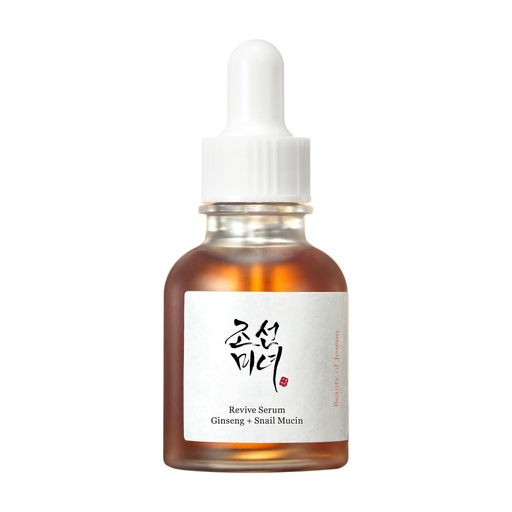
Why it suits this profile: An easy-to-understand choice for anyone looking for a Korean face serum with a gel texture for daily hydration. According to the product information, the formula contains 3% snail mucin filtrate, ginseng root water, niacinamide and hyaluronic acid.
The product specifications clearly state the size, texture, suitable skin types and usage instructions. This means you do not have to rely solely on terms such as “glow” or “firming”.
30 ml, pump bottle, gel texture and ingredients designed to support moisture and a comfortable skin feel.
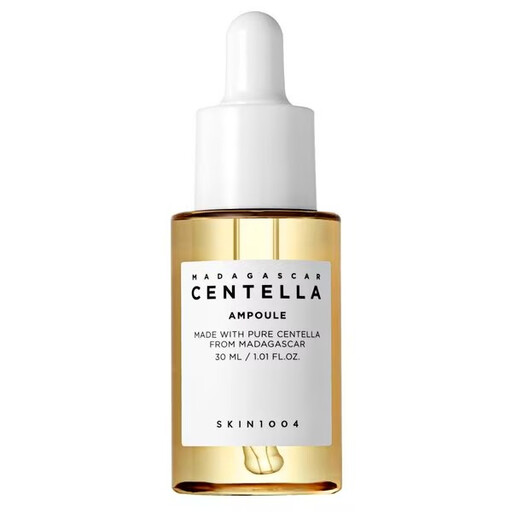
Why it suits this profile: For anyone wanting a short, targeted routine with a lightweight ampoule. The product description states that it contains 100% centella asiatica extract and has a watery, non-sticky texture.
The formula is described in straightforward terms. According to the brand’s own research, Madagascar centella contains more soothing active compounds than other centella varieties, but this is a brand claim and not a guarantee for every user.
Watery texture, 30 ml size and a formula with one clearly highlighted main ingredient.
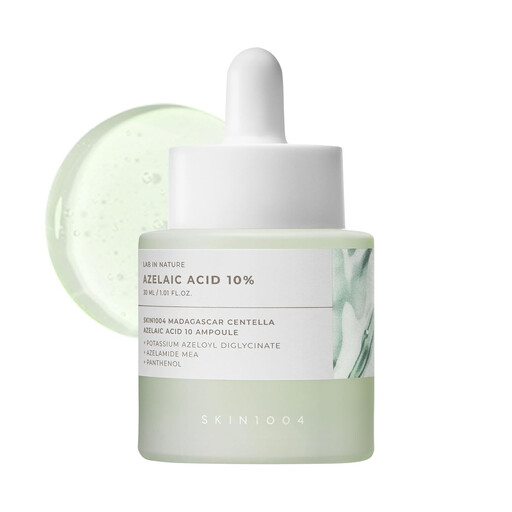
Why it suits this profile: A targeted option for skin with blemishes, visible redness or post-blemish marks. According to the product information, the niacinamide-free formula contains 10% azelaic acid and centella asiatica.
The directions advise starting by using it every other day. This helps prevent you from using an active serum too frequently straight away.
10% azelaic acid, niacinamide-free and usage instructions for gradually building up application.
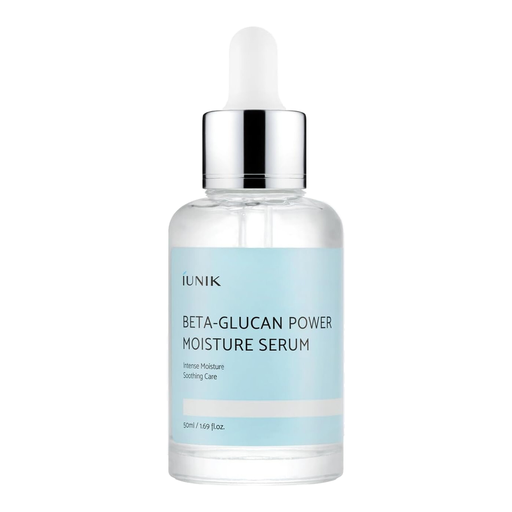
Why it suits this profile: For users primarily looking for a hydrating serum and who value a larger size. The product description highlights beta-glucan as the key ingredient and a fast-absorbing texture.
The choice is based on the size and main ingredient, rather than broad promises about pigmentation, spots and pores all at once.
50 ml size and a formula designed, according to the product description, to support moisture retention and comfort.
We have put together a complete, up-to-date list of products that fully meet these strict selection criteria and the applicable European safety regulations.
Test a new serum on a small area of skin first. Ideally, introduce one new active product at a time. Stop using the product if you experience itching, swelling, a burning sensation or persistent redness. Consult a doctor or dermatologist if you have severe or recurring skin concerns.
Look for a short ingredients list without unnecessary fragrances and choose a formula containing ingredients such as centella asiatica, panthenol or beta-glucan. A serum for sensitive skin should be introduced gradually. Even a product described as gentle can cause irritation for some users.
Sometimes, but combining them is not always necessary. Start with one active ingredient and see how your skin responds. If you are using an azelaic acid serum, follow the specific instructions on the packaging. Only add a niacinamide serum or vitamin C serum later if your routine remains stable.
Check the expiry date and the period-after-opening symbol on the packaging. Store the serum in a cool, dry place, away from direct sunlight, and keep it tightly closed. A change in smell, colour or texture may be a reason to stop using the product. The exact shelf life varies according to the formula and packaging.
