
Vandaag of morgen in huis

Kwaliteit gegarandeerd

Welkomstaanbiedingen ontgrendelen: GRATIS bezorging | Tot 80% korting | Gratis 30 dagen JoyPlus-proefperiode
Download de app
A face serum can be a targeted addition to your daily skincare routine. However, it’s best not to rely on terms such as “glow”, “glass skin” or “pore-refining” alone. The formula, concentration, skin compatibility and directions for use all determine whether a serum is right for your routine.
A serum with lots of extracts and active ingredients may look appealing, but more isn’t automatically better. Focus on the ingredients that are relevant to your skincare goals. A niacinamide serum, for example, may be worth considering if you have an uneven skin tone or oily, blemish-prone skin. For hydration, look for glycerin, hyaluronic acid, beta-glucan and panthenol.
A serum for pigmentation with 10% niacinamide or a vitamin C serum with 12% pure vitamin C won’t necessarily be suitable for daily use on every skin type. Sensitive skin may react to high concentrations, acids, alcohol or fragrance. Start with a small amount, and don’t introduce a new product alongside several other active serums straight away.
Claims about a visibly more even skin tone, smaller-looking pores or fewer fine lines should be treated as information from the brand. For example, celimax states that its own information is based on results from ten clinical studies. Always check the full product details, and bear in mind that individual results may vary. According to its own research, L’Oréal reports specific percentages for pores and fine lines. These figures are not a general guarantee for every user.
For a serum for sensitive skin, look for a fragrance-free formula, a limited number of active ingredients and clear warnings. Products containing alcohol, fragrance, salicylic acid, kojic acid or high levels of acidity need extra consideration. A product described as hypoallergenic or dermatologically tested still can’t guarantee that you won’t have a reaction.
Most serums in this selection contain 30 ml. A pump bottle limits contact with air and fingers, while a dropper allows you to measure out the product precisely but needs to be used hygienically. Check the best-before date on the packaging and look for the period after opening, for example 12 months if stated. Keep vitamin C serums and other active formulas out of direct sunlight, and make sure the packaging is properly closed.
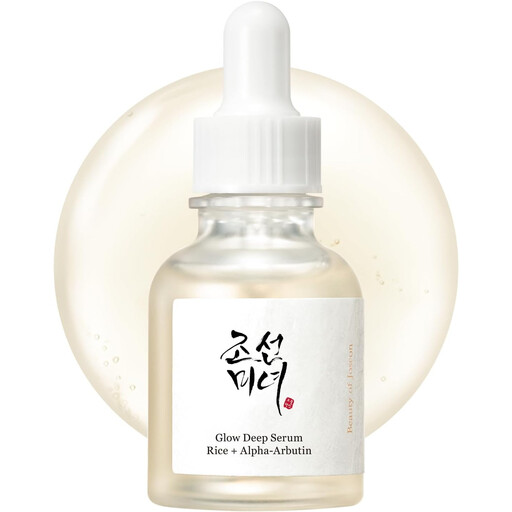
Why it suits this profile: A straightforward choice if you’re looking for a lightweight, hydrating serum for dull or uneven-looking skin. According to the product information, the formula contains 2% alpha-arbutin, rice bran water and niacinamide.
The product information describes an alcohol-free and fragrance-free formula, making it easier to compare your options in advance.
30 ml, a lightweight texture, and rice bran water and alpha-arbutin as the key ingredients.
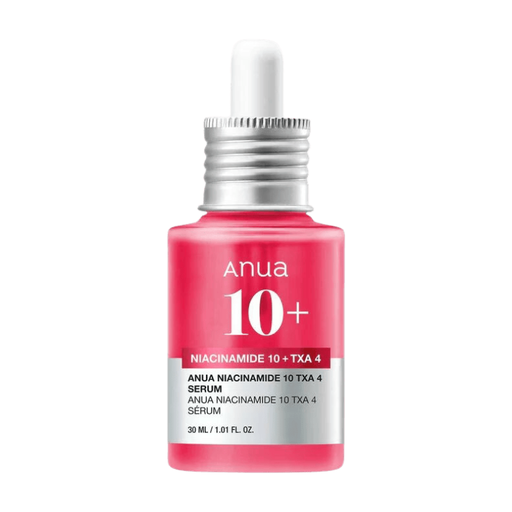
Why it suits this profile: A good choice for users who want to check the percentages of active ingredients in advance and are looking for a serum for pigmentation.
The formula lists 10% niacinamide and 4% tranexamic acid separately, so there’s no need to guess which ingredients are the main actives.
Also contains alpha-arbutin and several forms of hyaluronic acid, and is listed as fragrance-free and alcohol-free.
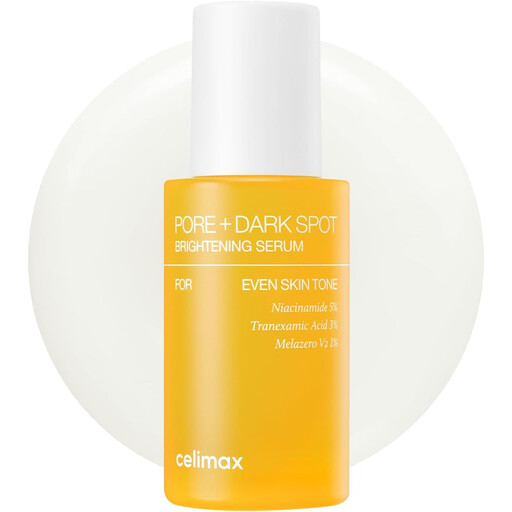
Why it suits this profile: A targeted option if you want to address pores, pigmentation and uneven skin tone as part of one routine.
The product page lists 5% niacinamide and 3% tranexamic acid. According to the brand’s own information, clinical studies have been carried out; consider this claim alongside how your own skin responds.
Gel texture, pump packaging, hyaluronic acid and a fragrance-free product listing.
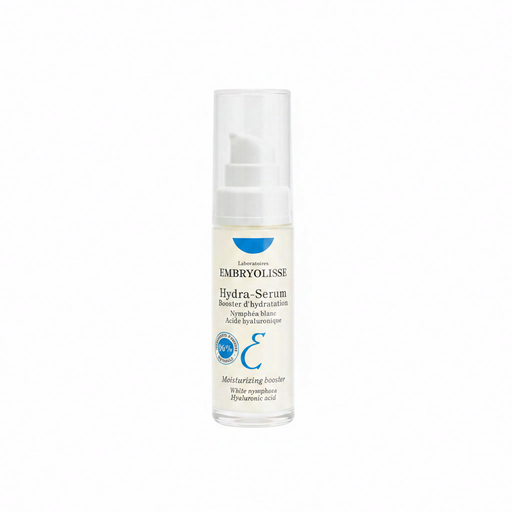
Why it suits this profile: A sensible choice if hydration matters more to you than a strong brightening or exfoliating active ingredient.
The product description focuses on hydration and doesn’t mention high concentrations of acids or vitamin C.
Hyaluronic acid, glycerin, white water lily and a lightweight texture; listed as alcohol-free according to the product details.
We’ve put together a complete, up-to-date list of products that meet these strict selection criteria and the applicable European safety regulations.
If you have sensitive skin, do a patch test on a small area first. Stop using the product if redness, itching, swelling or a burning sensation persists, and ask a doctor or pharmacist for advice if needed.
It depends on the formula. A hydrating serum can often be used daily. If a product contains azelaic acid, salicylic acid, kojic acid or a high concentration of vitamin C, it’s best to build up use gradually, following the product instructions.
Check the best-before date and the period-after-opening symbol on the packaging. Many cosmetic serums, for example, can be used for 12 months after opening, but heat, sunlight and not closing the packaging properly can affect the formula sooner.
You can, but don’t combine several strong active ingredients straight away. Start with one serum and only add a second product later. A hydrating serum with hyaluronic acid or beta-glucan is usually easier to combine with other products than several brightening or exfoliating formulas.
