
Vandaag of morgen in huis

Kwaliteit gegarandeerd

Welkomstaanbiedingen ontgrendelen: GRATIS bezorging | Tot 80% korting | Gratis 30 dagen JoyPlus-proefperiode
Download de app
A face serum can be a targeted addition to your daily routine. However, it’s not wise to rely solely on a striking promise or a popular ingredient. A hydrating face serum, a serum for sensitive skin or a serum for redness only works well when the formula matches your skin’s needs, your routine and your tolerance.
A serum packed with active ingredients may look appealing, but multiple potent ingredients can make your routine unnecessarily complicated. Particularly for sensitive or acne-prone skin, it’s wiser to introduce one new product at a time. This way, you can better gauge how your skin reacts.
Also, pay attention to where an ingredient appears on the ingredients list. A product name that includes, for example, “hyaluronic acid” doesn’t automatically mean the product consists solely or mainly of hyaluronic acid. Always check the actual ingredients on the packaging.
Terms like “glow”, “pore-refining” or “anti-ageing” usually describe the product’s aim, not a guaranteed result. According to a brand’s own research, certain effects may have been observed, but that information doesn’t automatically apply to every user.
A serum can make your skin feel more comfortable, smoother or better hydrated. Don’t expect a medical effect, and don’t use a serum for redness or a serum for acne-prone skin as a substitute for advice from a doctor or dermatologist.
A rich serum for dry skin can be pleasant when you feel tightness, but it may be less suitable if you want a light routine under make-up during the day. A watery ampoule for the face, on the other hand, can absorb quickly but often requires a moisturiser on top to lock in hydration more effectively.
An azelaic acid serum with 10%, according to the product information from ANUA, requires gradual build-up and patch testing. Start, for example, with a small amount and a low frequency. Dryness, stinging or irritation are signs to stop or adjust your usage.
Extra caution is needed with retinol products. The product information from SKIN1004 warns of increased sensitivity to sunlight and advises against use during pregnancy or breastfeeding unless a healthcare professional advises otherwise.
Also check the volume: 30 ml is common for a concentrated serum, while 55, 95 or 100 ml can be more economical for intensive daily users. Also look at the shelf life and the period after opening on the packaging.
Generally, use a face serum after cleansing and possibly after toner, but before a moisturiser. A simple routine is:
Don’t combine multiple exfoliating or highly active serums straight away. A patch test is especially advisable with a serum for sensitive skin, azelaic acid serum, retinol or a formula with fragrance and essential oils.
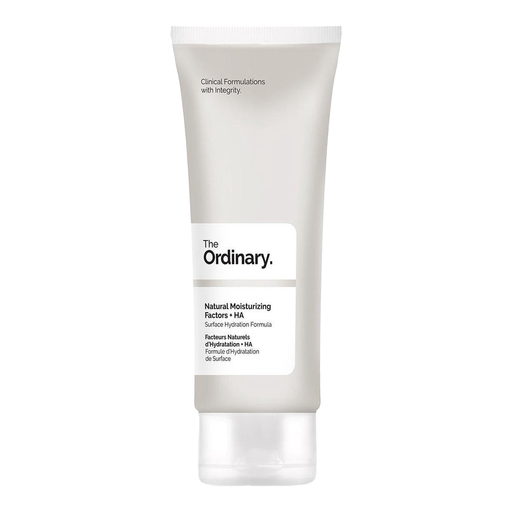
Why this suits the profile: The formula focuses on hydration, has a non-greasy texture and contains 100 ml. This makes it a straightforward choice if you’re starting out with a hydrating face serum.
The product description mentions NMF, amino acids, fatty acids and hyaluronic acid. However, always check the actual packaging rather than relying solely on the marketing text.
100 ml, non-greasy formulation and, according to the product information, free from alcohol, oils and silicones.
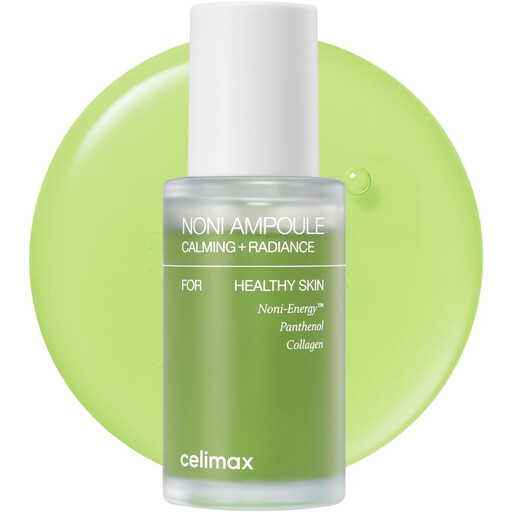
Why this suits the profile: The lightweight ampoule is designed for dry, dull or sensitive skin and can be applied daily according to the instructions for use.
The ingredients list is available, so you can check for things like fragrance and plant extracts before ordering.
Contains, among others, glycerine, sodium hyaluronate, panthenol and noni seed oil; the texture is described as fast-absorbing.
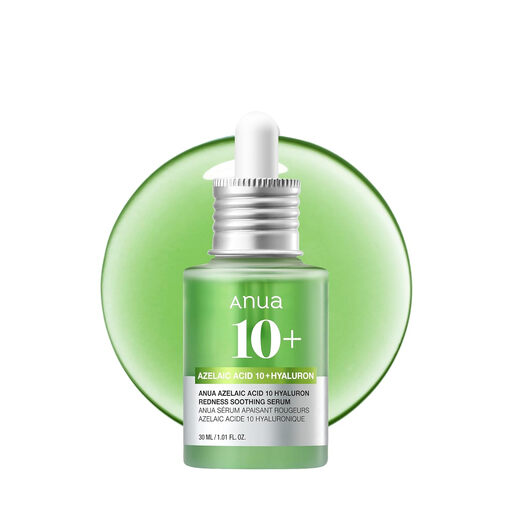
Why this suits the profile: This azelaic acid serum is aimed at users looking for a specific formula for an uneven complexion, visible redness and an oilier or acne-prone skin.
The product information mentions 10% azelaic acid and advises gradual build-up, patch testing and sun protection during the day.
30 ml, with panthenol, glycerine, sodium hyaluronate, centella and ceramide NP according to the listed ingredients.
We’ve put together a full, up-to-date list of products that fully meet these strict selection criteria and comply with current European safety regulations.
First, cleanse your face, then apply a few drops of serum to the skin. Gently spread the product and finish with a moisturiser. Always follow the specific instructions on the packaging. If you’re using an active ingredient like retinol or azelaic acid, start with a low frequency.
The shelf life varies by formula. Check the expiry date, batch information and period after opening on the packaging. Close the bottle tightly and store it according to the instructions, usually away from direct sunlight and in a cool, dry place. A change in smell, colour or texture is a reason to stop using the product.
Look for a straightforward formula with ingredients like glycerine, panthenol or centella, and avoid introducing multiple active products at the same time. A serum for sensitive skin should first be tested on a small area of skin. Stop if you experience persistent redness, itching, swelling or a burning sensation, and seek advice from a healthcare professional if needed.
