
Vandaag of morgen in huis

Kwaliteit gegarandeerd

Welkomstaanbiedingen ontgrendelen: GRATIS bezorging | Tot 80% korting | Gratis 30 dagen JoyPlus-proefperiode
Download de app
A face serum can be a practical addition to your daily skincare routine. The texture is usually lightweight, and the formula often contains specific ingredients for hydration, a dull-looking complexion or an unsettled skin surface. However, every serum is different. An expensive product is not automatically better suited to your skin, and a long ingredients list says little about how pleasant it will be to use every day.
The biggest disappointments usually stem from three common pitfalls:
Start with one clear need. For dry or dehydrated skin, a hydrating serum, a hyaluronic acid serum or a beta-glucan serum may be a sensible choice. Hyaluronic acid, glycerine, panthenol and beta-glucan are examples of moisture-binding ingredients found in various formulas.
For dull-looking skin, you could look for ingredients such as niacinamide, vitamin C derivatives or alpha-arbutin. A vitamin C serum is not always the same as a serum containing pure ascorbic acid, so check the exact INCI list on the packaging.
If your main concerns are an uneven complexion or visible redness, you could consider an azelaic acid serum. ANUA’s product information states that it contains 10% azelaic acid and recommends starting gradually. This makes the recommended frequency of use more important when choosing a product than simply looking at the ingredient name.
A serum for sensitive skin does not necessarily have the same characteristics as a serum for blemish-prone skin. Check the following:
According to the product information, MEDICUBE PDRN Pink Peptide Serum contains fragrance. This is relevant if you prefer to avoid fragrance. Klairs Midnight Blue Youth Activating Drop, on the other hand, is described as fragrance-free. Always check the packaging again, as ingredients or packaging may change.
The usual order is:
Using more serum will not automatically speed up the results. With active formulas, it is sensible to build up gradually. According to the product description, the ANUA formula recommends starting with 1–2 drops, once or twice a week. A retinol serum requires extra care regarding sunlight. Do not use the product on irritated or damaged skin, and stop using it if irritation persists.
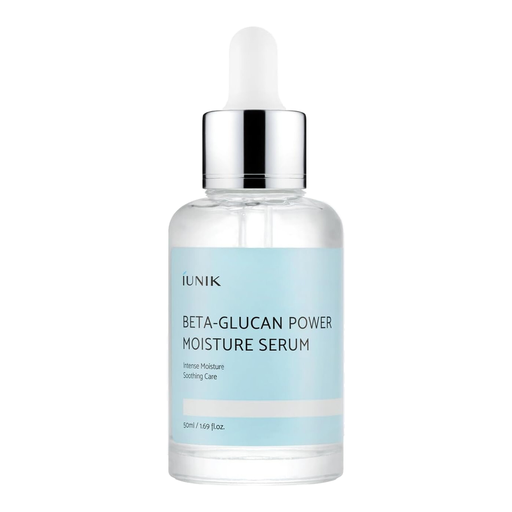
Why it suits this profile: A straightforward choice for anyone who mainly wants to add moisture without immediately combining several active ingredients. According to the product information, the formula contains beta-glucan and is designed as a hydrating serum.
You do not need to buy several serums with strong actives straight away. Start with one hydrating step, then assess how your skin responds.
50 ml; beta-glucan as the key ingredient; suitable for applying after cleansing and toner.
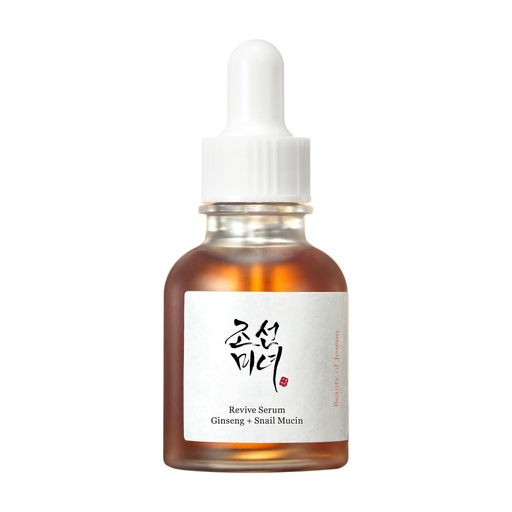
Why it suits this profile: According to the product information, this gel texture combines ginseng root water, 3% snail mucin filtrate, niacinamide, centella asiatica and hyaluronic acid.
The ingredients list is clearly stated. This allows you to check whether the formula suits your preferences, rather than relying solely on terms such as “revive” or “firming”.
30 ml; pump bottle; gel texture; contains several hydrating ingredients, including sodium hyaluronate.
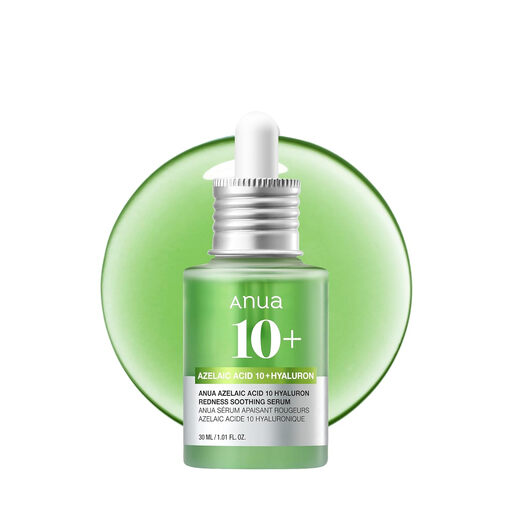
Why it suits this profile: Designed for users who are specifically looking for an azelaic acid serum and are prepared to build up usage gradually. The formula also contains panthenol, glycerine, beta-glucan, centella and ceramide NP.
The instructions mention gradual introduction, patch testing and daily sun protection. This helps prevent overuse of an active formula.
10% azelaic acid according to the product information; 30 ml; contains hydrating and nourishing supporting ingredients.
We have compiled a complete, up-to-date list of products that fully meet these strict selection criteria and the applicable European safety regulations.
Apply the serum after cleansing and, if desired, after toner. Use the amount stated on the packaging and finish with a moisturiser. Introduce active ingredients gradually. During the day, sun protection should be part of your routine when recommended in the product information, for example with a formula containing retinol or azelaic acid.
Check the expiry date and the period after opening stated on the packaging. Store the product in a cool, dry place away from direct sunlight, and close the bottle securely. A serum may change more quickly when exposed to heat, light or air. Look out for changes in smell, colour or texture, and stop using the product if it causes clear irritation.
The price depends on the size, brand, ingredients and packaging. Compare the price per millilitre and check that the formula you are buying genuinely suits your goal. A large serum with a simple hydrating formula may work out cheaper than several small products that partly duplicate the same function.
