
Vandaag of morgen in huis

Kwaliteit gegarandeerd

Welkomstaanbiedingen ontgrendelen: GRATIS bezorging | Tot 80% korting | Gratis 30 dagen JoyPlus-proefperiode
Download de app
A face serum can be a targeted addition to your daily skincare routine. Its lightweight texture often contains a higher concentration of certain ingredients than a regular cream. However, a long ingredients list doesn’t automatically mean a product is right for your skin. If you go by terms such as “glow”, “anti-ageing” or “intensive action” alone, you could easily end up buying a serum that’s too strong, unnecessarily complicated or difficult to combine with other products.
In this guide, we explain what to look for in a serum for pigmentation, serum for acne, retinol serum, vitamin C serum or hydrating serum. Then we’ll match some popular choices to different skincare needs.
A percentage tells you how much of an ingredient a product contains, but it doesn’t tell you on its own whether it’s right for your skin. For example, a niacinamide serum with 10% niacinamide might suit someone who’s already used to active skincare, while sensitive skin may benefit from a simpler formula.
As well as the concentration, check the other ingredients, how often to use the product and any warnings on the packaging.
Combining a vitamin C serum, retinol serum, azelaic acid serum and exfoliant may sound like a targeted approach, but it can make your routine unnecessarily harsh. Acids, retinol and products with a high concentration of vitamin C in particular should be introduced gradually.
Ideally, start with one new product at a time. That way, it’s easier to see how your skin responds.
Product information for products containing retinol, AHA, BHA or azelaic acid often recommends using sun protection during the day. This advice isn’t a substitute for medical guidance, but it’s a practical part of a skincare routine. A serum for pigmentation is also unlikely to be much help if you don’t take your daily exposure to UV rays into account.
Start by identifying your main skincare need:
Claims such as “visibly more even-looking” or “less redness” come from the brand’s product description. Don’t treat them as guaranteed results. If you have persistent acne, severe redness or changes in pigmentation, it’s best to speak to a GP or dermatologist.
Check whether the serum comes in 30 ml, 20 ml or a larger size. A small bottle used frequently may run out sooner than you expect. Also check how long it lasts after opening, for example 12M, and store the product as directed.
Packaging and storage are particularly important for vitamin C and retinoids. A pump bottle or well-sealed container can be useful if you want to limit exposure to light and air.
A watery serum often layers easily under a moisturiser and sun cream. An oil serum may feel more comfortable on dry skin, but it has a heavier texture. If you’re looking for a serum for sensitive skin, also check the ingredients list for fragrance, alcohol or known allergens.
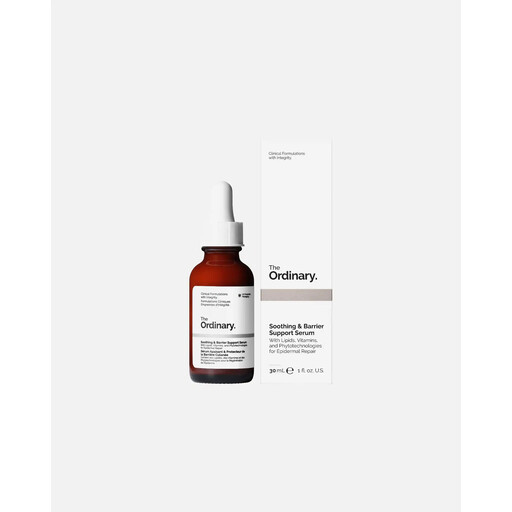
Why it suits this profile: A straightforward choice if you want to add hydration and comfort before introducing several strong active ingredients.
The formula lists ingredients including niacinamide, bisabolol, lipids and ceramide-like ingredients. Always check the current packaging and ingredients list.
30 ml, a fluid texture and product claims such as fragrance-free, alcohol-free and suitable for sensitive skin, according to the product information.
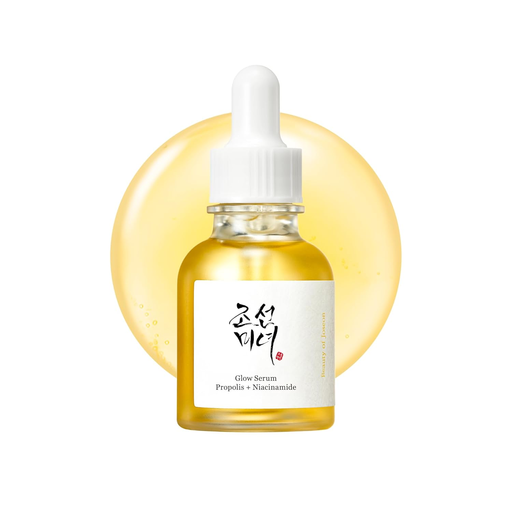
Why it suits this profile: A good fit if you’re looking for a Korean skincare serum with a gel-like texture and a combination of propolis and niacinamide.
The product information gives specific amounts: 60% propolis extract and 2% niacinamide. This makes it easier to compare than relying on the term “glow” alone.
30 ml, a light, honey-like texture and ingredients such as sodium hyaluronate, tea tree and centella, according to the listed formulation.
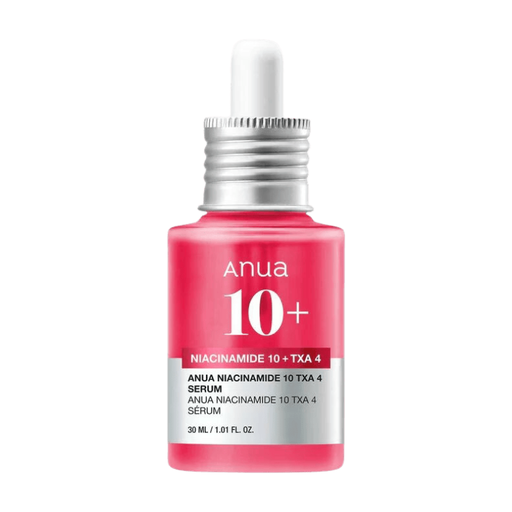
Why it suits this profile: Aimed at shoppers looking for a serum for pigmentation and post-acne marks who are used to comparing ingredients and percentages.
The formula lists 10% niacinamide and 4% tranexamic acid. Checking this information in advance helps you avoid buying a product with an unclear formulation.
30 ml, a pump bottle and additional ingredients such as alpha arbutin, hyaluronic acid and panthenol. Use a sun cream during the day.
We’ve put together a complete, up-to-date list of products that meet these strict selection criteria and comply with current European safety regulations.
Cleanse your face first and use toner if you wish. Then apply a few drops of serum, followed by a moisturiser. If you use the serum in the morning, finish with sun cream. Always follow the specific instructions when using active ingredients.
It varies from product to product. Check the best-before date and the period after opening, for example 12 months. If recommended on the packaging, store the bottle somewhere cool and dry, away from direct sunlight.
Sometimes, but it’s best to start with one product at a time. Don’t automatically combine retinol, AHA, BHA, vitamin C and azelaic acid in the same routine. If you have sensitive skin, alternating products at different times is often simpler than applying everything at once.
