
Vandaag of morgen in huis

Kwaliteit gegarandeerd

Welkomstaanbiedingen ontgrendelen: GRATIS bezorging | Tot 80% korting | Gratis 30 dagen JoyPlus-proefperiode
Download de app
A face serum can be a useful addition to your daily skincare routine. The texture is usually lightweight, and a serum often contains a higher concentration of certain ingredients than a standard cream. However, more expensive does not automatically mean more suitable. The right choice depends on your skin type, the ingredient list and how often you want to use the product.
A product with 10%, 15% or an even higher stated percentage may sound appealing, but the percentage does not tell you how your skin will respond to the full formula. The form of an ingredient, its combination with other substances and the directions for use are also important.
For example, a niacinamide serum may suit an uneven complexion or skin that becomes oily quickly, while a hyaluronic acid serum is generally chosen for a more hydrated skin feel. So do not focus solely on the most prominent number on the packaging.
Using a vitamin C serum, retinol product, exfoliant and a powerful brightening serum in the same routine may be too much for some users. Redness, tightness or a burning sensation are signs that you should simplify your routine. Test a new serum on a small area of skin first and always follow the warnings on the packaging.
Words such as “lifting”, “repairing” or “collagen-boosting” often describe a brand’s positioning. A brand may refer to certain visible results based on its own research, but this is not a guarantee for every user. Therefore, assess the objectively stated ingredients, amount, texture and frequency of use.
Decide on one main priority before you start comparing products:
Ingredients are not a medical treatment. If you experience persistent irritation, severe acne or changes in pigmentation, it is better to seek advice from a doctor or skincare professional.
A peptide serum may contain several different types of peptides. Matrixyl, copper peptides and other peptide complexes are not the same. The same applies to vitamin C: pure ascorbic acid and more stable derivatives have different formulations and usage properties.
For dark spots, you may come across niacinamide, tranexamic acid, alpha-arbutin and vitamin C derivatives. A serum for dark spots does not make daytime sun protection unnecessary.
A watery serum often works well under a moisturiser and sunscreen. A gel texture can feel pleasant on combination or oilier skin, while a richer formula may be better suited to dry skin. Also check:
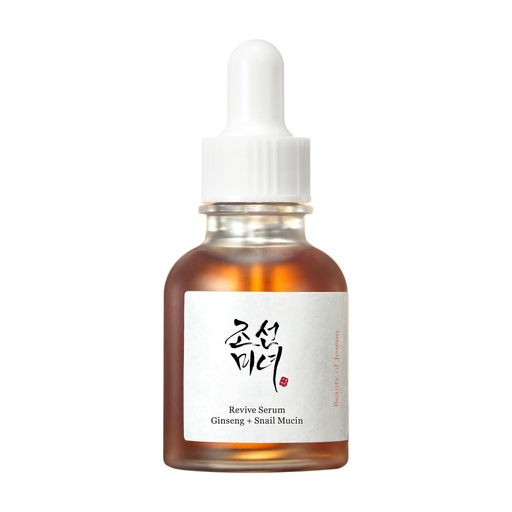
Why it suits this profile: The gel texture and combination of ginseng, 3% snail mucin, glycerine and hyaluronic acid are practical for anyone looking to build a simple routine with a focus on hydration.
The product information provides a clear ingredient list and recommends using 1 to 2 pumps. This means you do not need to combine several highly concentrated serums at once.
30 ml, pump bottle, gel texture and ingredients suited to hydration and a comfortable skin feel.
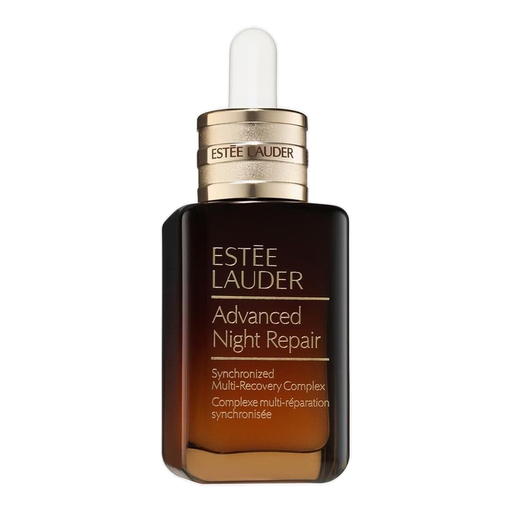
Why it suits this profile: According to the product details, this serum is suitable for all skin types and has a fragrance-free, oil-free formula. It is a good choice for users looking for one versatile serum for their evening routine.
The choice is based on stated features such as the 30 ml amount, fragrance-free formula and hyaluronic acid, rather than general anti-ageing claims alone.
Fragrance-free, oil-free, 30 ml and suitable for use in the morning and evening according to the product description.
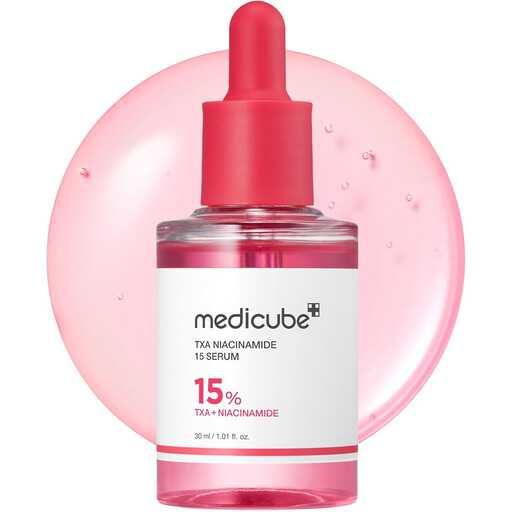
Why it suits this profile: According to the product description, this formula is aimed at users specifically looking for a serum for dark spots and an uneven complexion, containing 15% niacinamide and tranexamic acid.
The main purpose and named active ingredients are clearly described. Introduce it gradually if your skin is not yet used to a concentrated formula.
15% niacinamide, tranexamic acid and a lightweight formula according to the product information.
We have put together a complete, up-to-date list of products that fully meet these strict selection criteria and the applicable European safety regulations.
Do not introduce new active ingredients all at once. When using a serum containing retinol, vitamin C derivatives, acids or spicule technology, it is especially important to build up usage gradually. Avoid contact with the eyes and stop using the product if irritation persists.
Choose a hydrating serum containing ingredients such as glycerine, panthenol, betaine or hyaluronic acid. Applying a moisturiser afterwards helps the hydrated feeling last longer. A gel or water-based texture may feel pleasant, but dry skin can also benefit from a formula containing more soothing ingredients.
This depends on the form and concentration of vitamin C, as well as your skin’s tolerance. Ideally, start by using it a few times a week, apply sunscreen during the day and check the brand’s warnings. A vitamin C derivative may feel gentler for some users than pure ascorbic acid, but this varies from one formula to another.
A 30 ml bottle will usually last for less time with daily use than a 50 or 100 ml bottle. The actual usage period depends on the amount applied each time and how many times a day you use it. Use the recommended dosage and check the packaging for shelf-life information after opening.
