
Vandaag of morgen in huis

Kwaliteit gegarandeerd

Welkomstaanbiedingen ontgrendelen: GRATIS bezorging | Tot 80% korting | Gratis 30 dagen JoyPlus-proefperiode
Download de app
A face serum can be a useful addition to your daily skincare routine, but not every product suits every skin type. A lightweight formula may feel comfortable on oily or combination skin, while dry skin may benefit more from hydrating ingredients and a moisturiser to seal them in.
Packaging can sometimes make it difficult to compare products fairly. Words such as “glow”, “lift” and “collagen” say little about the formula on their own. Instead, focus on the ingredients list, instructions for use, size and warnings.
Brands often make ambitious claims about the results of an anti-ageing serum, firming serum or wrinkle serum. According to a brand’s own research, for example, some users may report smoother-looking skin or a more radiant complexion. This does not guarantee the same results for everyone.
So treat terms such as “stimulates collagen” or “penetrates deeply” as product claims. A cosmetic serum is designed to support the appearance and care of your skin, not to treat medical conditions.
A collagen serum may contain hydrolysed collagen, collagen extract or collagen water. These names do not refer to exactly the same raw material or concentration. The position in the ingredients list, the overall formula and how often you use it also matter for niacinamide, hyaluronic acid, retinol and vitamin C.
Also check whether a product contains fragrance, alcohol, acids or known allergens. If you have sensitive skin, “suitable for all skin types” is not a personal guarantee.
Combining a hydrating serum with several acids, retinol and other intensive formulas can irritate your skin. Start with one new product and use it as directed on the label. If in doubt, test a small amount on a limited area of skin first. Stop using it if you experience persistent redness, itching, a burning sensation or swelling, and seek advice from a doctor or dermatologist if needed.
A 15 ml bottle may seem like good value, but it won’t last as long with daily use as a 30 or 50 ml bottle. A pump bottle can make it easier to dispense the right amount than a pipette. Also consider the texture: a milky serum may feel richer, while a watery formula can be layered more quickly.
Serums containing retinol or AHAs, such as lactic acid, may require extra care. Use a sunscreen during the day if the instructions recommend it. For products with an applicator technique that may cause a tingling sensation, such as some Reedle Shot formulas, avoid using them on damaged or irritated skin and follow the instructions carefully.
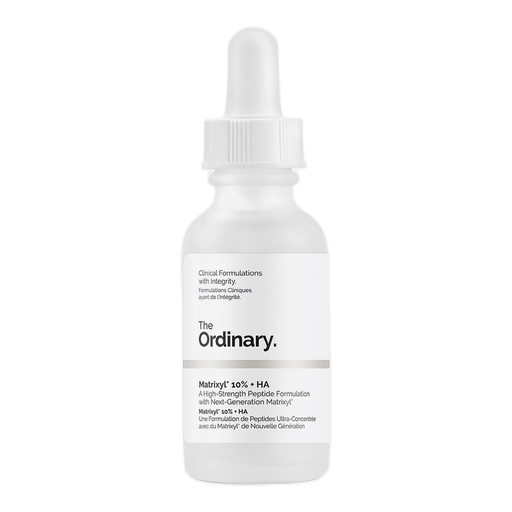
Why it suits this profile: A straightforward choice if you want to start with a formula containing a limited number of ingredients. It combines Matrixyl peptides with sodium hyaluronate and comes in a 30 ml size.
The product information describes a lightweight formula for daily use. Be sure to check the allergen information yourself, and don’t combine it straight away with several other active serums.
30 ml size; Matrixyl 3000 and hyaluronic acid are listed in the ingredients; easy to add to your routine.
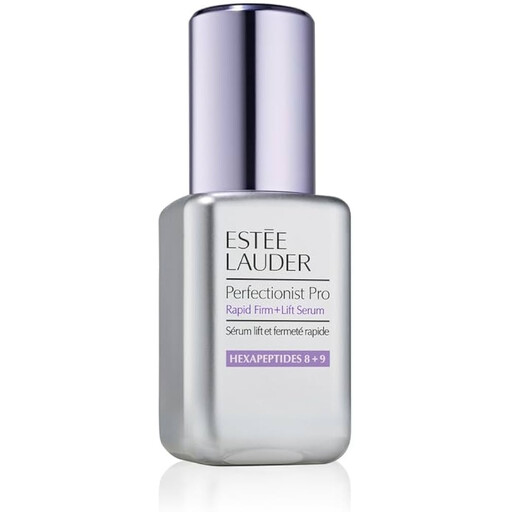
Why it suits this profile: A good option if you’re looking for a larger size and want to focus on radiance and skin tone. The product description lists vitamin C and three ferments.
It comes in a 50 ml size, so you don’t have to rely on a small bottle with big claims. Results claims are specific to the brand, so pay attention to how your own skin responds.
50 ml; formula with vitamin C; designed to promote a more even-looking skin tone and a more radiant appearance, according to the product description.
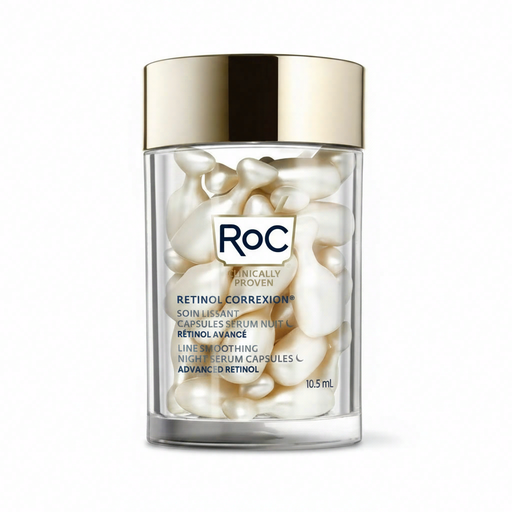
Why it suits this profile: The capsule format and evening application suit users who want to introduce retinol gradually and carefully control the amount they use.
The instructions recommend starting with every other day. This helps you avoid applying it too often from the outset. According to the product information, SPF is important during the day.
Retinol is clearly listed in the ingredients; capsules help you measure each application; according to the product details, it is suitable for the face and neck.
We’ve put together a complete, up-to-date list of products that meet these strict selection criteria and comply with current European safety regulations.
Cleanse your face first and use a toner if you like. Then apply a small amount of serum to your skin. Gently pat or massage it in, then finish with a moisturiser. Use sun protection during the day if the product contains acids or retinol, or if the label recommends it.
It depends on the size, how much you use and how often you apply it. A 30 ml bottle will generally last longer than a 10.5 or 15 ml size, but capsules can help reduce waste because each dose is measured in advance. Always check the expiry date and the period after opening on the packaging.
Sometimes, but introduce active ingredients gradually. A simple hydrating serum with hyaluronic acid can often be used alongside a moisturiser. Take more care with retinol, AHAs, vitamin C and other active formulas. Introduce one new product at a time and follow the instructions for use.
