
Vandaag of morgen in huis

Kwaliteit gegarandeerd

Welkomstaanbiedingen ontgrendelen: GRATIS bezorging | Tot 80% korting | Gratis 30 dagen JoyPlus-proefperiode
Download de app
A face serum can be a useful step between cleansing and moisturising. But sometimes, you’re paying mainly for eye-catching claims on the packaging. Phrases such as “glass skin”, “deep repair” or “instant firming” say little on their own about the ingredients, concentration or suitability for your skin.
The key question, then, isn’t which serum makes the biggest promises, but which ingredients, texture and directions for use suit your skincare goals. Read on to find out what to look for in a Korean face serum, a hydrating serum or a formula for fine lines, redness or pigmentation.
A product with lots of ingredients isn’t automatically more effective. First, look for ingredients that suit your goal:
An ingredient appearing on the list doesn’t tell you how much of it is in the product. Check any claims about percentages and see whether the information matches the packaging.
A serum for pigmentation, fine lines or redness may contain active ingredients that aren’t suitable for daily use by everyone. If you’re using a concentrated formula, start with a small amount and try using it every other evening, for example.
A patch test is a good idea, especially with a serum for sensitive skin. Stop using it if you experience persistent irritation, itching, swelling or a burning sensation. Cosmetics aren’t treatments for skin conditions; if your symptoms don’t go away, seek advice from a healthcare professional.
A hydrating serum can temporarily leave your skin feeling more supple. That doesn’t necessarily mean that fine lines caused by dryness or pigmentation will disappear for good. According to a brand’s own research or claims, certain products may help reduce the appearance of fine lines or dullness, but these claims don’t guarantee results for every skin type.
Also consider what you apply after your face serum. A moisturiser helps support a water-based formula on the skin. During the day, use sun protection as part of a routine that includes retinol, vitamin C or exfoliating acids.
Start by choosing one main concern. If you’re looking for a serum for dry skin, consider hyaluronic acid, beta-glucan, glycerine, ceramides and panthenol. For dull-looking skin, a brightening serum with vitamin C or alpha-arbutin could be an option.
A peptide serum is worth considering if you want to focus on skin that looks smoother and firmer. Brand product descriptions shouldn’t suggest that results are guaranteed. Check the exact formula and use the product consistently, following the directions.
A light gel or lotion often sits better under sun protection and make-up. A richer formula may feel more comfortable on dry skin, but could feel heavy on oily skin.
Check:
A large bottle is only good value if you use the formula regularly before its after-opening shelf life runs out.
Fragrance isn’t a problem for everyone, but it may be something to consider if you have sensitive skin. Also check whether a product contains alcohol, essential oils or other ingredients that you’ve reacted badly to in the past.
Take extra care with products containing retinol or stronger acids. Follow the warnings on the packaging and use sun protection during the day. Cosmetics sold in Europe should include an ingredients list, details of the responsible party and safety information.
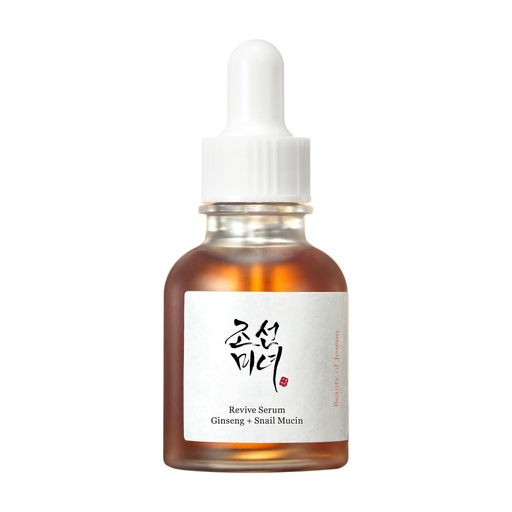
Why it suits this profile: Its gel texture and blend of ginseng, snail mucin, glycerine and hyaluronic acid make it a good fit for a simple routine for dry, normal or combination skin.
The product information clearly lists the ingredients, size and directions for use, so you don’t have to rely on a vague glow claim alone.
30 ml, pump bottle, gel texture and, according to the product details, alcohol-free, fragrance-free and vegan.
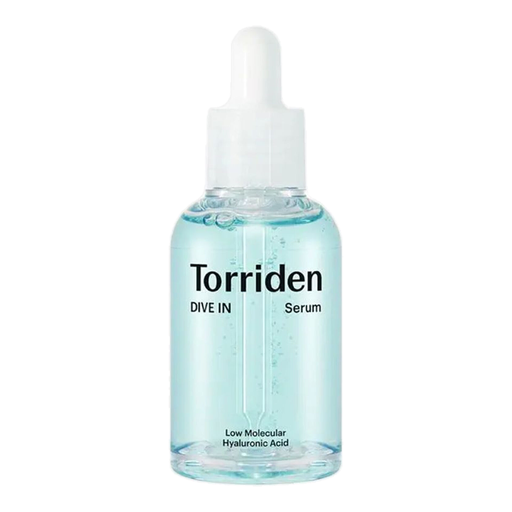
Why it suits this profile: This Korean face serum is designed to provide hydration at multiple levels. It’s a good fit if you’re looking for a lightweight, fragrance-free formula for everyday use.
The ingredients list names five forms of hyaluronic acid, panthenol, ceramide NP and beta-glucan, giving you more to go on than a claim of “intensive hydration” alone.
50 ml, lightweight texture, fragrance-free and, according to the product information, vegan and suitable for sensitive skin.
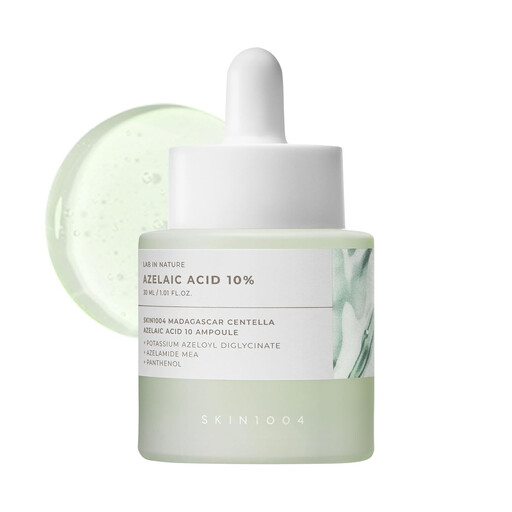
Why it suits this profile: A targeted option if you’re looking for a serum for redness, visible marks or uneven-looking skin tone, and are happy to introduce it gradually.
The directions recommend gradually increasing how often you use it. The formula is also niacinamide-free, which may be useful if you avoid this ingredient.
According to the product description, it contains 10% azelaic acid and centella asiatica; use sun protection during the day.
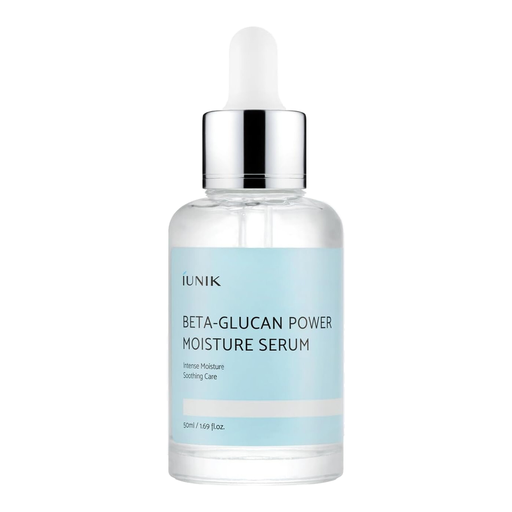
Why it suits this profile: Its clear focus on beta-glucan makes it a natural choice for dry or dehydrated skin that mainly needs a hydrating serum.
You’re choosing based on a clear skincare goal, rather than combining several potent active ingredients at once.
50 ml and, according to the product description, designed to help retain moisture, support elasticity and leave skin feeling comfortable.
It’s best not to introduce several new active serums at the same time. That way, you’ll have a better idea of which product feels comfortable on your skin and whether a particular formula causes irritation.
We’ve put together a complete, up-to-date list of products that meet these strict selection criteria and current European safety requirements.
Use a face serum after cleansing and before your moisturiser. A water-based formula usually goes on before a richer cream. Always follow the specific directions on the packaging.
Check the use-by date and open-jar symbol on the packaging. After opening, the quality may change due to exposure to air and light, or contamination. Store the serum in a cool, dry place, close the packaging properly and don’t apply it directly to your skin using the pipette.
For dry skin, look for hydrating ingredients such as glycerine, hyaluronic acid, panthenol, ceramides and beta-glucan. If you have sensitive skin, a short ingredients list without fragrance may be a practical choice. Introduce new products gradually and do a patch test first.
