
Vandaag of morgen in huis

Kwaliteit gegarandeerd

Welkomstaanbiedingen ontgrendelen: GRATIS bezorging | Tot 80% korting | Gratis 30 dagen JoyPlus-proefperiode
Download de app
A face serum can be a useful addition to your skincare routine, but the choice is vast. A hydrating serum, Korean serum, vitamin C serum or niacinamide serum doesn’t automatically have the same function. The right choice depends on your skin type, the ingredients and how you intend to use the product.
Many shoppers pay too much for eye-catching packaging or a long ingredients list. With this guide, you can compare serums on verifiable features and avoid the most common buying mistakes.
A product with lots of active ingredients sounds appealing, but multiple potent substances can make your routine unnecessarily complicated. First, look at the goal. For dry skin, for example, glycerine, panthenol and hyaluronic acid are relevant humectant ingredients. For an uneven complexion, niacinamide, vitamin C or alpha-arbutin are often mentioned.
An ingredient on the packaging doesn’t in itself tell you how much effect you’ll notice. According to a brand’s own research or the product description, certain results may be claimed, but such claims are no guarantee for every user.
A serum for all skin types can be practical, but texture still matters. A gel serum usually feels lighter than an oily formula. If you have oily or acne-prone skin, you may prefer a thin, fast-absorbing texture. For dry skin, a richer serum can be pleasant, followed by a moisturiser.
Also check whether the product contains fragrance, alcohol, exfoliating acids or retinol. Sensitive skin can react to these ingredients. Test a new product on a small area of skin first and stop if irritation persists.
An anti-ageing serum, serum for dark spots or serum for an even complexion can contain different active ingredients. So pay attention to the full product information, the frequency of use and any warnings. A cosmetic product won’t change your skin overnight.
For serums with vitamin C, retinol or ingredients that can make the skin more sensitive, a sunscreen is important during the day. Always follow the label. The information on a webshop may differ from the packaging you receive.
Are you using a serum for a specific purpose?
A percentage can help with comparison, but it’s not the only criterion. For example, Beauty of Joseon lists 2% alpha-arbutin in the Glow Deep Serum, while Medicube TXA Niacinamide 15 Serum contains 15% niacinamide according to the product description. That doesn’t automatically mean one product is more suitable for everyone.
Also check whether an ingredient is high or low on the ingredients list. Look out for additional ingredients that make the formula more comfortable, such as glycerine, betaine or panthenol.
A pump bottle limits contact with air and fingers. A pipette can be handy for precise dosing, but try not to touch your skin with it. Compare the volume: many serums contain 20 or 30 ml, while some ampoules contain 50, 55, 100 or 150 ml.
Store a face serum according to the instructions, usually in a cool place away from direct sunlight. Check the expiry date, batch information and period after opening on the packaging. Do not continue using a formula that has changed colour, smells odd or has clearly altered.
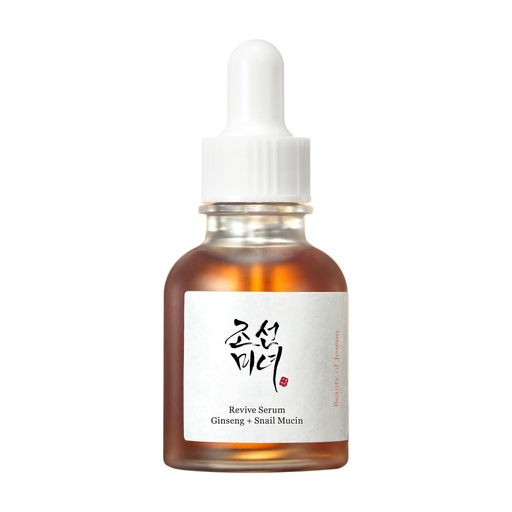
Why this fits the profile: The gel texture and pump bottle make dosing easy. According to the product information, the serum is intended for dry, normal or combination skin and contains, among other things, 3% snail mucin filtrate, ginseng and hyaluronic acid.
The product information states a clear skin type and purpose, so you don’t have to rely only on general terms like “glow”.
30 ml, gel formula, pump packaging, with glycerine, niacinamide and multiple forms of hyaluronic acid.
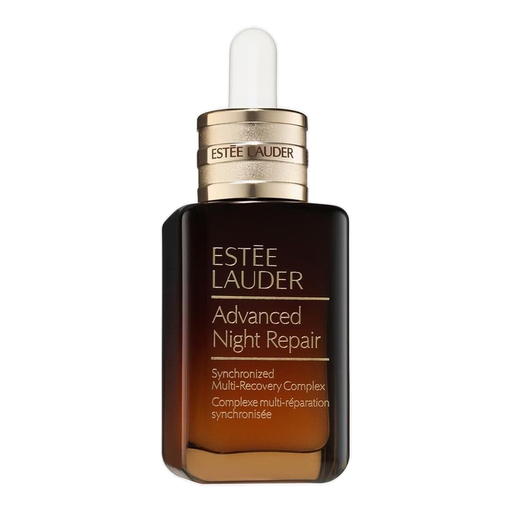
Why this fits the profile: According to the product description, this serum is suitable for all skin types and can be used morning and evening. The formula is oil-free and fragrance-free according to the stated product specifications.
The product details list skin type, time of use and texture characteristics. This helps you tailor your choice to your routine.
30 ml, oil-free formula, fragrance-free according to the product information and with hyaluronic acid as a hydrating ingredient.
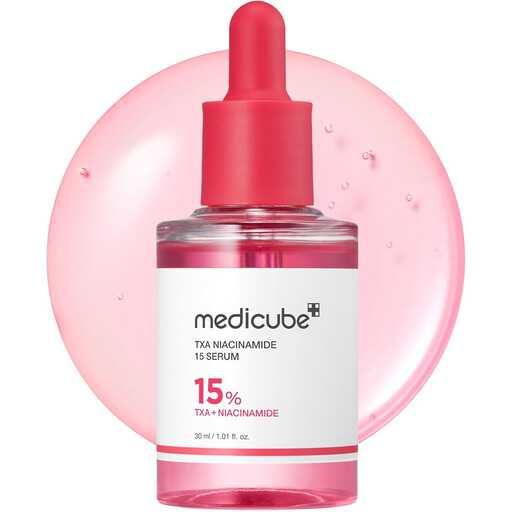
Why this fits the profile: If you’re specifically looking for a serum for dark spots or an uneven complexion, you can compare the high stated niacinamide concentration and tranexamic acid with milder formulas.
The product description lists specific active ingredients rather than just a general claim about radiant skin.
30 ml, 15% niacinamide according to the product description and tranexamic acid as an additional active ingredient.
We’ve put together a full, up-to-date list of products that fully meet these strict selection criteria and comply with current European safety regulations.
Apply a face serum after cleansing and, if you use one, after toner. Usually use a few drops or one to two pumps. Gently pat the product in and finish with a moisturiser. During the day, add sun protection, especially if the label warns you to.
Don’t combine several strong products straight away. Start, for example, by using a new serum every other day and only increase the frequency when your skin tolerates it well. Using a vitamin C serum, retinol product and exfoliant at the same time can make your routine unnecessarily harsh.
That depends on the volume and dosage. A 30 ml bottle used daily often lasts several weeks to a few months. Follow the recommended amount and respect the period after opening on the packaging.
Yes. A serum for dry skin usually works as an extra care layer under a moisturiser. Apply the serum to clean skin and then use a cream to support comfort and a hydrated finish.
Not always. Check the active ingredients and warnings. Start with a small amount, test the product on a limited area and use sun protection during the day. If irritation persists, stop using the product and seek advice from a doctor or pharmacist.
