
Vandaag of morgen in huis

Kwaliteit gegarandeerd

Welkomstaanbiedingen ontgrendelen: GRATIS bezorging | Tot 80% korting | Gratis 30 dagen JoyPlus-proefperiode
Download de app
A face serum can be a targeted addition to your daily skincare routine. Its lightweight formula often contains a higher concentration of certain ingredients than a standard cream. However, an expensive serum is not automatically right for your skin. The best choice depends on your skin type, your main skincare goal and how you introduce active ingredients.
Words such as “radiant”, “repairing” and “anti-ageing” sound appealing, but mean little without specific information about the formula. So check the ingredients list and product details. Look out, for example, for niacinamide, hyaluronic acid, azelaic acid, retinol or peptides.
Claims about visible results come from brands or sellers. A brand’s own research may report certain outcomes after a specific period of use, but this is not a guarantee for every user.
Combining a serum for dark spots with a retinol serum, exfoliant and strong vitamin C product can make your routine unnecessarily complicated. Sensitive skin in particular may react to several new products being introduced at the same time.
Start with one new face serum and use it according to the label. Gradually increase the frequency when recommended. A patch test on a small area of skin can help you assess tolerance in advance.
A serum for a more even complexion does not change your daily exposure to UV rays. Use a suitable sunscreen during the day, especially when using a retinol serum, acids or a serum for dark spots. Always check the specific safety warnings on the packaging.
Use this practical guide:
A higher percentage is not always more practical. SKIN D-PIGMENT SERUM ATX B3, for example, lists 10% niacinamide, 3% azeloglycine and 2% tranexamic acid. The product information also mentions 0.45% lactic acid for hydration. According to the brand’s own research, a reduction in melanin and the visibility of dark spots was reported after two months. Treat this as brand information, not a guaranteed result.
With retinol, the instructions for use are particularly important. ROC capsules recommend starting every other day. Medicube products containing retinol warn of increased sensitivity to sunlight and recommend using sunscreen every day. Also check restrictions relating to pregnancy, breastfeeding and irritated skin.
A serum that feels sticky often ends up unused. A watery formula works well under a moisturiser, while an oil-based or richer texture may feel more comfortable on dry skin. Also check the volume: a 20, 30, 50 or 100 ml container makes a difference to the price per millilitre.
Fragrance-free options are available, but not every product is fragrance-free. The product information for Torriden DIVE IN, for example, states that it has a fragrance-free formula, while some other serums contain perfume or fragrance ingredients. If your skin reacts easily, it is best to check the full ingredients list on the packaging.
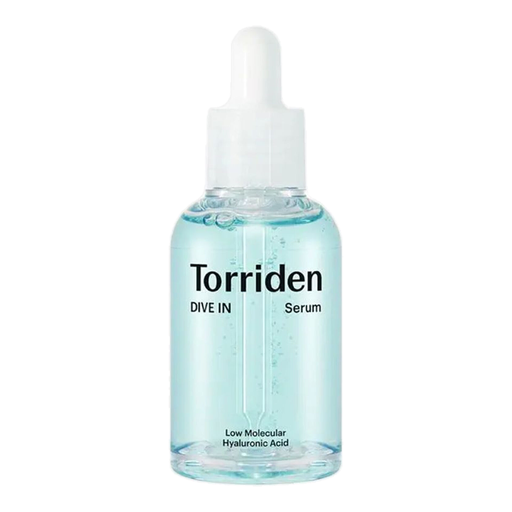
Why it suits this profile: A straightforward choice for anyone mainly looking for hydration without making their routine too complicated. The product information lists five types of hyaluronic acid, panthenol, ceramide NP and beta-glucan.
The formula clearly focuses on moisture and, according to the product description, contains no fragrance. This means you do not need to combine several powerful actives straight away.
50 ml contents; five forms of hyaluronic acid; fragrance-free product description; suitable for all skin types according to the product information.
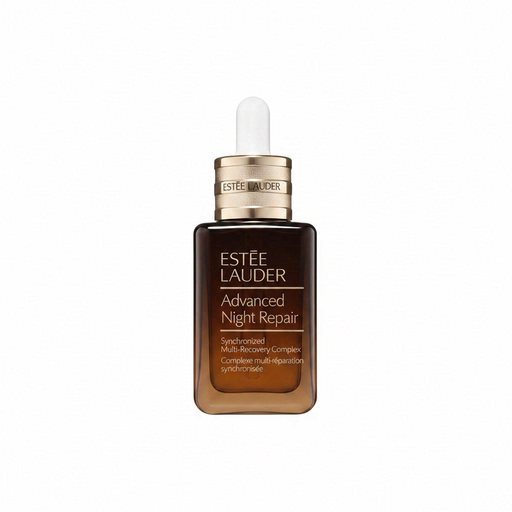
Why it suits this profile: Suitable for anyone looking to combine hydration with a routine targeting several visible skin concerns. The ingredients list includes sodium hyaluronate, glycerine, squalane and ferments, among others.
The product page provides a full ingredients list and usage advice. Before buying, check the current packaging, as ingredients may change.
50 ml contents; suitable for all skin types according to the product specifications; use in the morning and evening is mentioned.
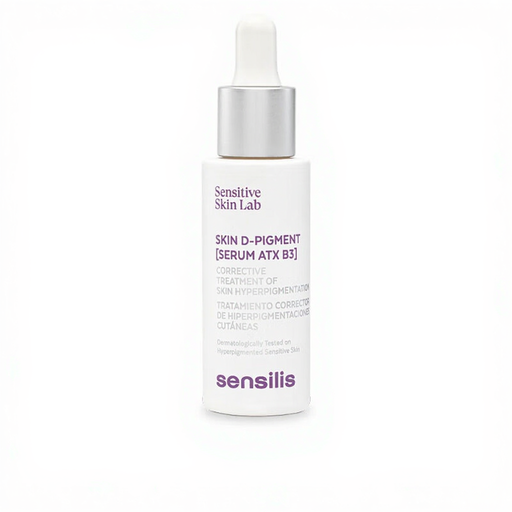
Why it suits this profile: Designed for an uneven complexion and visible dark spots. According to the product information, the formula is intended for all skin types, including sensitive skin.
The key active ingredients and percentages are listed. The advice not to use the product in summer or apply it around the eyes calls for careful use.
10% niacinamide; 3% azeloglycine; 2% tranexamic acid; 30 ml contents.
We have put together a complete, up-to-date list of products that fully meet these strict selection criteria and the applicable European safety regulations.
Apply a serum usually after cleansing and, if desired, toner, but before your moisturiser. Use a few drops and gently press the product into your skin. Follow the label if the serum is intended for evening use only.
Do not combine several strong formulas straight away. For example, if you want to try a niacinamide serum, first see how your skin responds before adding an exfoliant. With a retinol serum, gradual introduction is important. During the day, use a sunscreen with an appropriate SPF.
The shelf life is shown on the packaging either as a date or as a period after opening, such as 12M. Keep the serum tightly closed, out of direct sunlight and according to the manufacturer’s storage instructions. A change in smell, colour or texture may be a reason to stop using the product.
That depends on the ingredients. A hydrating serum containing hyaluronic acid is often described for morning and evening use. A retinol serum or formula containing acids may require a gradual introduction schedule instead. Always follow the product instructions and stop using it if irritation persists.
Look for a straightforward formula, test it on a small area of skin first and avoid introducing several new active ingredients at once. Also check the ingredients list for fragrance, alcohol, acids and retinol. If you have severe or persistent skin concerns, advice from a doctor or dermatologist is more appropriate than continuing to switch between serums.
