
Vandaag of morgen in huis

Kwaliteit gegarandeerd

Welkomstaanbiedingen ontgrendelen: GRATIS bezorging | Tot 80% korting | Gratis 30 dagen JoyPlus-proefperiode
Download de app
A face serum can be a useful addition to your daily skincare routine. Its lightweight texture often contains a higher concentration of certain ingredients than a standard moisturiser. However, not every serum is suitable for every skin type. An attractive bottle, a long ingredients list or a promise of “instant visible results” doesn’t tell you much about whether it’s the right choice for you.
Hyaluronic acid, niacinamide, vitamin C, retinal and centella are frequently featured in product names. But that doesn’t automatically make a formula suitable for your skin. Pay attention to the concentration, the full ingredients list and the usage instructions.
A hyaluronic acid serum is particularly useful when you want to retain extra moisture. With a serum for dry skin, it’s also important to use a moisturiser to lock that hydration into your skincare routine.
If you use a serum for dark spots, a vitamin C serum and an exfoliating product all at the same time, you can unnecessarily stress your skin. This is especially true for sensitive skin, where it’s wiser to build up gradually. Introduce one new product at a time and start with a small amount.
Extra caution is needed with products containing retinal, retinol, azelaic acid or exfoliating acids. Always follow the label. Use a broad-spectrum sunscreen during the day, particularly when the product information explicitly advises it.
According to brands’ own product information, ingredients can contribute to hydration, a more even appearance or a more comfortable skin feel. That is not a guarantee of a specific cosmetic result. For dark spots, acne or persistent irritation, a serum is no substitute for advice from a doctor or skincare professional.
Decide what you want a serum to address:
The ingredients list is usually in descending order of quantity, although there are exceptions for ingredients present in low concentrations. Check whether the product contains fragrance, alcohol or other ingredients you haven’t tolerated well before.
For a serum for sensitive skin, a patch test is a sensible precaution. Apply a small amount to a limited area of skin first. Stop if you notice clear irritation and follow the safety information on the packaging.
A 30 ml bottle is standard for a concentrated face serum. A larger size, such as 55, 100 or 150 ml, can be better value if you use the product regularly. Do check the shelf life and the period after opening.
Use just a few drops on a cleansed face, possibly after toner, and finish with a moisturiser. Avoid touching your skin with the pipette; this helps keep the product hygienic. With a pump bottle, check that the dosage is easy to control.
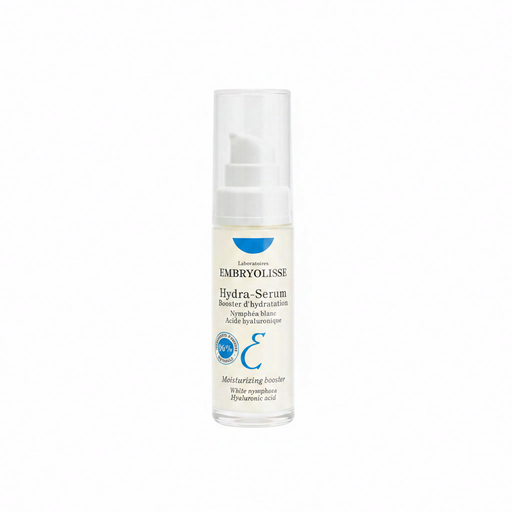
Why this fits the profile: The formula is designed for daily hydration and, according to the product information, is suitable for all skin types, including sensitive skin. The 30 ml size is manageable for anyone trying a hydrating serum for the first time.
The product description mentions a lightweight texture and fast absorption. Do check the INCI list: this serum contains fragrance and limonene.
Hyaluronic acid and white water lily in the formula; dermatologically tested according to the product information.
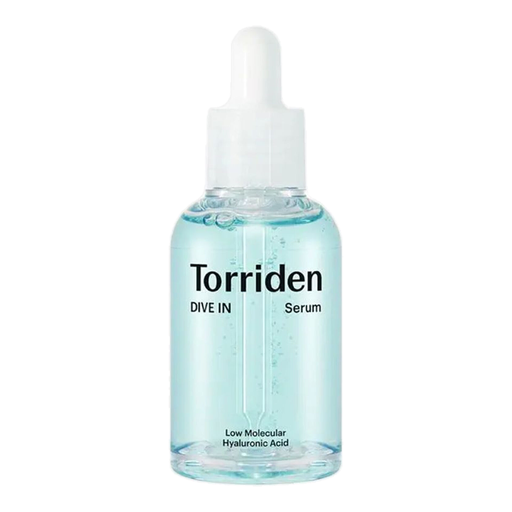
Why this fits the profile: This Korean skincare serum combines five forms of hyaluronic acid with panthenol, ceramide NP and beta-glucan. That suits users who value hydration and a comprehensive formula.
The choice is based on clearly listed ingredients and a fragrance-free formula, not just on vague glow claims.
50 ml volume; according to the product information, vegan, cruelty-free and suitable for all skin types.
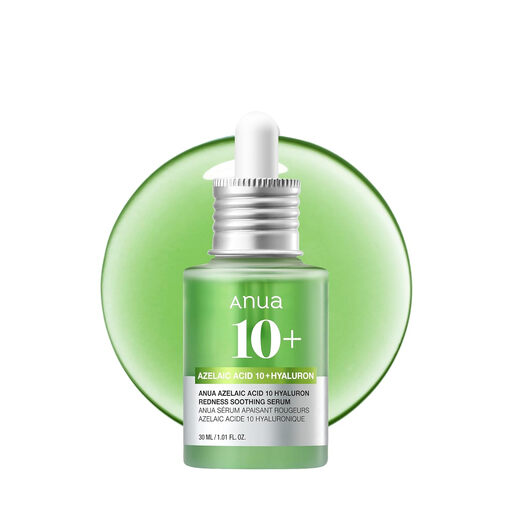
Why this fits the profile: This serum contains 10% azelaic acid, hyaluronic acid, panthenol, ceramide NP and centella extracts. It’s designed for users who, alongside hydration, also want to address redness or an uneven complexion.
The usage instructions advise starting with 1–2 drops, once or twice a week. For sensitive skin, a patch test is recommended according to the product information.
10% azelaic acid; also contains sodium hyaluronate, panthenol and ceramide NP. Sun protection is required during the day according to the product information.
We’ve put together a full, up-to-date list of products that fully meet these strict selection criteria and comply with current European safety regulations.
Cleanse your face and then apply a few drops. You can use toner first if you like, and finish with a moisturiser. Always follow the brand’s instructions for active ingredients. Sunscreen should be part of your daytime routine when your skin may become more sensitive to sunlight.
That depends on the volume, dosage and how often you use it. A 30 ml bottle can last several weeks to months with daily use. Store the serum according to the label, keep the packaging closed properly and check the expiry information on the packaging.
For dry skin, look for a hydrating serum with glycerine, hyaluronic acid, panthenol or beta-glucan. For sensitive skin, a simple formula, a patch test and gradual introduction are important. A fragrance-free version, like some of the formulas mentioned, can be a practical choice.
