
Vandaag of morgen in huis

Kwaliteit gegarandeerd

Welkomstaanbiedingen ontgrendelen: GRATIS bezorging | Tot 80% korting | Gratis 30 dagen JoyPlus-proefperiode
Download de app
A face serum can be a simple addition to your routine, but the wide range of options can make choosing difficult. Are you looking for a Korean face serum, a hydrating serum or a serum for pigmentation? You will quickly come across terms such as “glow”, “deep hydration” and “anti-ageing”. On their own, these words say little about the formula or how to use it.
That is why you should focus mainly on the ingredients list, the concentration of active ingredients and the instructions for use. This helps you avoid buying a product that does not suit your skin type or ends up unused in the cupboard after just a few applications.
More ingredients do not automatically mean that a serum is better suited to your skin. A formula containing several active ingredients may actually be more difficult to combine with other products. Start by considering the purpose:
Brands may promote the effects of these ingredients based on their own research. According to a brand’s own research, such results are not automatically the same for every user. You should therefore also assess the concentration, texture and safety information.
A retinol serum or retinal formula is not always suitable for daily use from the first day. According to the product information, the celimax THE VITA-A RETINAL SHOT TIGHTENING BOOSTER contains 0.1% retinal and 3% Matrixyl 3000. The recommended approach is to use the formula every other evening during the first two weeks.
A serum containing 10% azelaic acid, such as the ANUA Azelaic Acid 10 Hyaluron Redness Soothing Serum, also requires gradual introduction according to the product information. Start with one or two drops, once or twice a week, and only increase the frequency if your skin tolerates it well.
A serum for spots, redness or pigmentation does not replace a complete skincare routine. A lightweight gel texture can feel comfortable on oily or blemish-prone skin, while drier skin may benefit more from glycerine, ceramides, panthenol or several forms of hyaluronic acid.
Also check whether a formula contains fragrance, alcohol or exfoliating ingredients. This does not necessarily mean that a product is unsuitable, but it can be important if your skin reacts easily.
A watery or gel-like formula usually absorbs quickly and feels lightweight. This often suits oily skin or use underneath sun cream and make-up. A richer formula may feel more comfortable on dry skin, especially when combined with a moisturiser.
When choosing a serum for sensitive skin, check the warnings, fragrance information and recommended introduction schedule. Test a new product on a small area of skin first. Stop using it if irritation persists and ask a doctor or pharmacist for advice if in doubt.
Do not just look at the name on the front. Check the ingredients list and the percentage when this is provided. Examples:
You will usually use a face serum after cleansing and, if applicable, after toner, before moisturiser. Some formulas are suitable for morning and evening use; retinal and retinol are generally recommended for evening use in the product information.
Store serums in a cool place away from direct sunlight when instructed on the packaging. Check the expiry date, batch number and period after opening on the packaging. It is best not to continue using an open bottle if its smell, colour or texture changes.
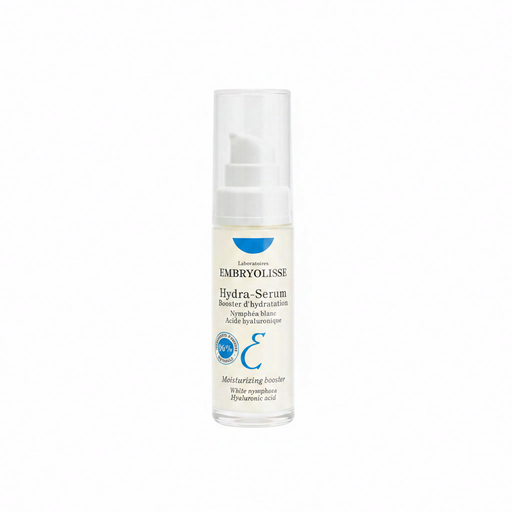
Why it suits this profile: A straightforward choice for anyone starting with a daily hydrating serum. According to the product information, the formula is suitable for all skin types and has a lightweight texture.
The ingredients list focuses on hydration with glycerine and sodium hyaluronate, without a long series of strongly exfoliating actives.
30 ml, lightweight lotion texture, with hyaluronic acid and white water lily; dermatologically tested according to the product information.
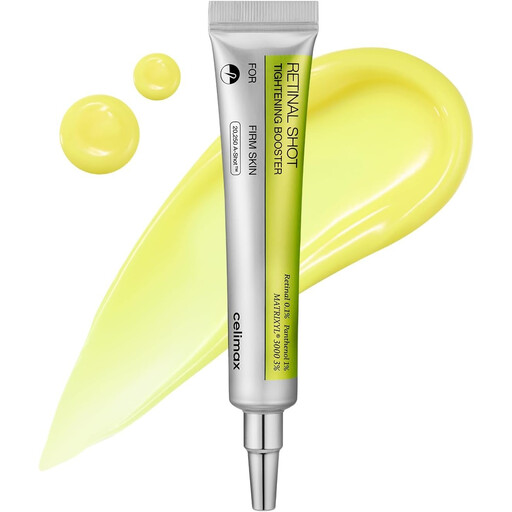
Why it suits this profile: For users who specifically want to add a retinal serum to their evening routine and are prepared to build up the frequency gradually.
The packaging recommends starting every other evening, using a small amount of product and applying it less often if irritation occurs. Sun cream is required during the day.
0.1% pure retinal, 3% Matrixyl 3000 and 15 ml contents; intended for use at night.
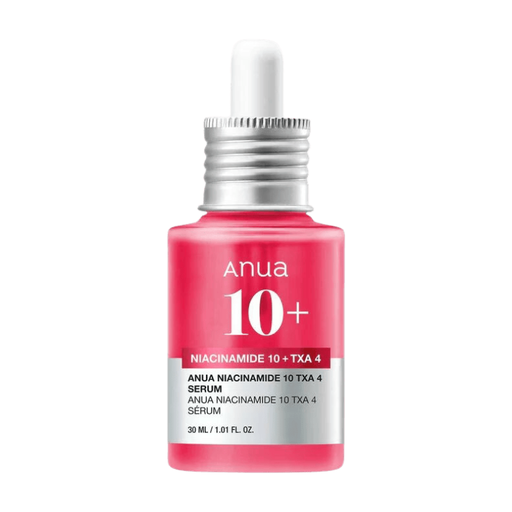
Why it suits this profile: A targeted option for anyone wanting to combine niacinamide and tranexamic acid in a routine for an uneven complexion or visible blemishes.
The percentages of niacinamide and TXA are clearly stated. This makes it easier to distinguish the product from serums that only use general glow-related terms.
10% niacinamide, 4% tranexamic acid, alpha-arbutin and several forms of hyaluronic acid in a 30 ml bottle.
We have put together a complete, up-to-date list of products that fully meet these strict selection criteria and the applicable European safety regulations.
Also pay attention to the order of application. A lightweight serum usually goes before a richer cream. If you are using several serums, it is best to introduce them one at a time so that you can identify which product your skin tolerates well.
That depends on the ingredients. A simple hyaluronic acid serum or beta-glucan serum is often marketed for daily use. According to the product instructions, retinal, retinol and azelaic acid may require gradual introduction instead. Always follow the label and reduce the frequency if irritation occurs.
Check the expiry date and the period after opening on the packaging. Keep the bottle tightly closed and away from direct sunlight. Formulas containing vitamin C or vitamin A ingredients in particular require careful storage. Do not continue using a serum if its smell, colour or texture changes noticeably.
Preferably choose a formula with a short, easy-to-understand ingredients list and check for fragrance, alcohol and strong active ingredients. A patch test is advisable. Products marketed as suitable for sensitive skin are no guarantee that every skin type will tolerate them without problems. Introduce a serum gradually and stop using it if persistent redness, itching or a burning sensation occurs.
