
Vandaag of morgen in huis

Kwaliteit gegarandeerd

Welkomstaanbiedingen ontgrendelen: GRATIS bezorging | Tot 80% korting | Gratis 30 dagen JoyPlus-proefperiode
Download de app
A face serum can be a useful addition to a simple skincare routine. Serums often contain a higher concentration of certain ingredients than a day or night cream. That doesn’t automatically mean every serum will suit your skin. The wrong combination can cause tightness, redness or flaking, particularly if you have sensitive skin.
The product name doesn’t tell you everything, either. Terms such as anti-ageing serum, brightening serum and spot treatment serum usually describe what a product is designed to do, rather than how your skin will react to it. So check the ingredients list, directions for use and any warnings.
Combining an exfoliating serum containing AHA, BHA or PHA with a retinoid or azelaic acid serum may be too intense for some skin types. It’s better to start with one active product and use it according to the instructions on the packaging.
A brand may state, based on its own research or product information, that a serum visibly reduces wrinkles, dark spots or redness. This doesn’t guarantee the same results for everyone. Skin type, frequency of use and daily sun exposure all play a part. Treat claims as information from the brand and compare them with the product’s objective ingredients.
Sun protection is especially important when using a serum for dark spots or an exfoliating serum. During the day, use a sunscreen product according to the directions on the label. If you experience irritation, a burning sensation or swelling, stop using the product. Don’t apply an active serum to damaged or sunburnt skin.
Use this guide as a starting point:
Ingredients are listed in descending order by quantity, although there are exceptions for ingredients present in low concentrations. With an azelaic acid serum, it’s worth checking the percentage stated. For example, the SKIN1004 Madagascar Centella Azelaic Acid 10 Ampoule lists 10% azelaic acid, along with ingredients including panthenol, allantoin, glycerine, sodium hyaluronate and centella asiatica.
Also look out for potential concerns:
A small bottle with a high concentration may last longer than a larger product that you need to use more of. Check the recommended amount: some serums are applied in a few drops, while others need one or two pumps.
A formula that’s easy to fit into your routine is more likely to be used consistently. Usually, apply a serum after cleansing and before moisturiser, unless the manufacturer advises a different order. If you have sensitive skin, test a small amount on a less visible area first.
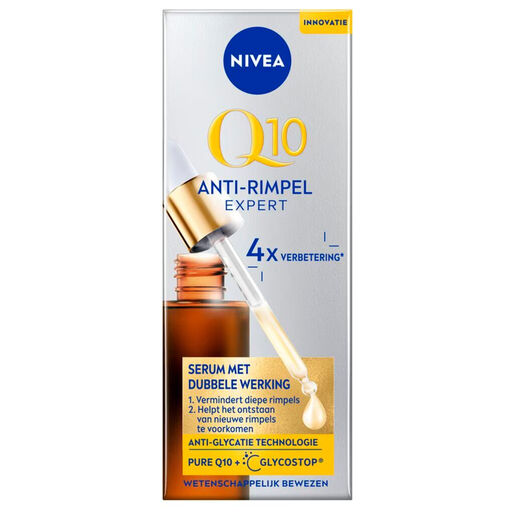
Why it suits this profile: The familiar Q10 formula and 30 ml size make this a straightforward choice if you want to add an anti-ageing serum without combining several active products.
The ingredients list is clearly provided, and according to the product description, the formula focuses on Q10 and hydration rather than a long list of exfoliating acids.
30 ml; contains ubiquinone, glycerine and shea butter; an easy addition to a daily routine.
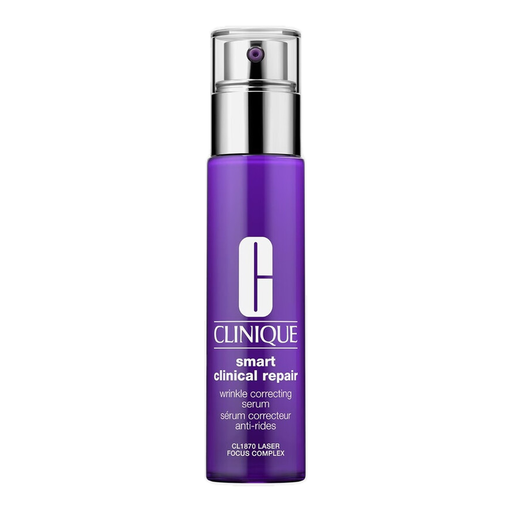
Why it suits this profile: If you value a fragrance-free formula and a pump bottle, this option is worth considering for a routine focused on fine lines and hydration.
The product details explicitly state that it is fragrance-free and non-comedogenic. This makes it easier to assess the formula in advance than a product with unclear fragrance ingredients.
30 ml; fragrance-free; according to the product information, contains peptides, caffeine and hyaluronic acid.
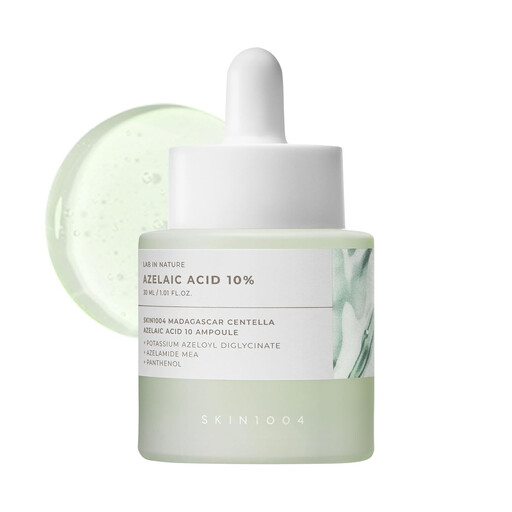
Why it suits this profile: This Korean skincare serum is aimed at people specifically looking for azelaic acid to address visible blemishes, redness or an uneven complexion.
The 10% concentration is stated, and the directions recommend starting with use every other day. This helps you introduce it gradually.
10% azelaic acid; centella asiatica, panthenol and sodium hyaluronate; available in 9 ml and 30 ml sizes in the range.
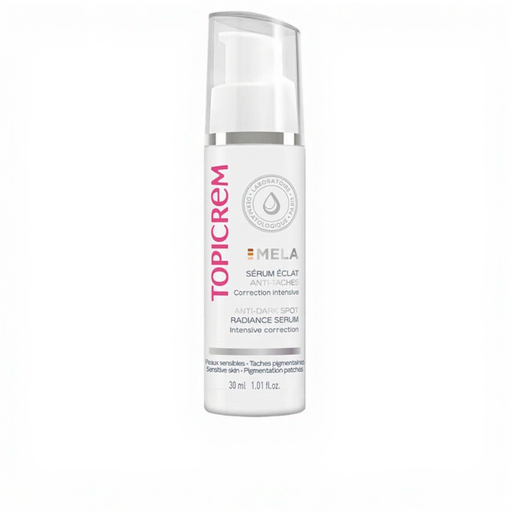
Why it suits this profile: This serum is designed for anyone mainly looking for a serum for dark spots who wants to compare formulas for sensitive skin.
The product details mention sensitive skin, a 30 ml size, and dermatological and ophthalmological testing. If you’re sensitive to fragrance or other ingredients, be sure to check these too.
30 ml; contains gluconolactone, niacinamide and a vitamin C derivative, among other ingredients; according to the directions, it can be used in the morning and/or evening.
We’ve put together a complete, up-to-date list of products that meet these strict selection criteria and the applicable European safety regulations.
First cleanse your skin, then apply a small amount of serum. Follow the product instructions for the exact amount to use. Finish with a moisturiser. If you use the serum during the day, apply sun protection if this is recommended for the formula.
It depends on the size, amount used and frequency of use. A 30 ml bottle may last from several weeks to a few months with daily use. Check the expiry information and the period after opening on the packaging. Store the product in a cool, dry place away from direct sunlight if instructed by the manufacturer.
Sometimes, but don’t combine several strong active ingredients straight away. For example, don’t use a retinol serum, exfoliating serum and azelaic acid serum together without building up gradually. Introduce one product at a time, pay attention to how your skin reacts, and consult a doctor or pharmacist if irritation persists.
